When you purchase through links on our site, we may earn an affiliate commission. Here’s how it works.
5 Best VPNs for Crypto Trading in 2026



Our experts have reviewed 53 VPN providers, which were put through extensive rounds of testing. To learn more about that process, here’s how we review VPNs, where we explain our criteria and our policy of being fully transparent.
- For crypto trading, NordVPN, Surfshark, and ExpressVPN stand out as the best choices. They combine top-tier security, fast execution speeds, and dependable access to exchanges like Binance, Coinbase, Kraken, KuCoin, and ByBit. With features such as traffic obfuscation, leak protection, kill switches, and crypto-friendly payments, these VPNs keep your trades private, your data secure, and your access unrestricted, making them ideal for both everyday investors and high-volume traders worldwide.
If you’ve ever been blocked from a crypto exchange, locked out while traveling, or felt uneasy trading on public Wi-Fi, you’re not alone. Without a good VPN, your ISP can see what you’re doing, hackers can snoop on your data, and many platforms restrict access based on location. A solid VPN fixes all that, but only if it’s fast, secure, and reliable enough for real trading. At TechNadu, we’ve tested tons of VPNs in real crypto trading situations, so we know which ones actually work.
We tested over 53 VPNs on major exchanges and wallets, checking speeds, connection stability, leak protection, and how well they bypass geo-blocks without triggering security alerts. Only a few passed the test. In this guide, we’ll show you the best VPNs for crypto trading in 2026, what makes each one stand out, and which server locations work best for Binance, Coinbase, Kraken, KuCoin, ByBit, and more.
By the end, you’ll know exactly which VPNs keep your trades private, your accounts safe, and your access wide open (no matter wherever you’re trading from).
What Is Cryptocurrency Trading?
Cryptocurrency trading involves buying and selling digital currencies to profit from price changes over time. Unlike traditional currencies, crypto is decentralized, not controlled by banks or governments, running instead on blockchain technology.
You can trade crypto in two main ways:
- CFD trading: Speculate on price movements without owning the coins.
- Crypto exchanges: Buy actual coins, store them in a wallet, and sell when their value rises.
How We Chose the Best VPN for Crypto Trading (Testing & Criteria)
When choosing a VPN for crypto trading, we focus on one thing above all else: keeping your account safe without disrupting your trading. A crypto-ready VPN must protect your data, maintain stable connections, and avoid triggering exchange security systems, all while delivering low latency for fast order execution.
Our recommendations are based entirely on hands-on testing, real exchange usage, and measurable performance and not marketing claims.
Below is the exact framework we use (and recommend you follow) when evaluating the best VPNs for crypto trading:
1. Account Safety Without Triggering Exchange Alerts
Crypto exchanges closely monitor login behavior. VPNs that rotate IPs too often or use abused IP ranges can cause account locks, withdrawal delays, or forced identity checks.
A reliable crypto VPN must:
- Keep IP addresses stable during long sessions
- Use clean, low-risk IP pools
- Avoid unnecessary country or region switching
The goal is simple: log in, trade, and withdraw without setting off security alarms.
2. Stable IPs & Dedicated IP Support
For crypto trading, consistency matters more than total anonymity.
The VPNs that actually deliver best offer:
- Long-lasting session IPs
- Optional static or dedicated IP addresses
Why this helps:
- Reduces security flags on platforms like Binance, Coinbase, Kraken, and Bybit
- Improves trust signals for high-volume traders
- Makes API access and repeated logins smoother
3. Low Latency for Real-Time Trades
Speed directly affects trade execution, especially in volatile markets.
Top crypto VPNs deliver:
- Minimal added ping
- Stable routing during price surges
- Fast execution for spot, futures, and margin trading
This is critical for strategies like scalping, arbitrage, and high-frequency trading where milliseconds matter.
4. Strong Security & Encryption
Crypto accounts are high-value targets, so security is non-negotiable.
We prioritize VPNs that offer:
- AES-256 or ChaCha20 encryption
- Secure protocols like WireGuard and OpenVPN
- Perfect Forward Secrecy
These protect against public Wi-Fi attacks, ISP surveillance, and man-in-the-middle exploits.
5. Kill Switch & Leak Protection (Essential)
Even a short VPN drop can expose your real IP and that single leak can permanently flag an exchange account.
A crypto-safe VPN must block:
- IP leaks
- DNS leaks
- WebRTC leaks
- IPv6 leaks
This ensures your real location never slips through, even for a second.
6. Verified No-Logs Policy
Trading data is sensitive financial information.
The best VPNs:
- Store no IP addresses or session activity
- Undergo independent no-logs audits
- Operate under privacy-respecting legal frameworks
This guarantees that neither your trading behavior nor your connection history can be traced back to you.
7. Jurisdiction & Server Location Flexibility
Crypto regulations vary widely between countries.
A strong trading VPN should:
- Offer servers in crypto-friendly regions
- Let you switch locations easily
- Clearly explain regional compliance risks
Important note: VPNs cannot bypass KYC rules or account-level restrictions imposed by exchanges.
8. Platform & App Compatibility
A crypto VPN should work seamlessly across:
- Web-based trading platforms
- Desktop trading software
- Mobile apps on iOS and Android
- Browser extensions (optional)
Bonus points for split tunneling, which lets you route only trading apps through the VPN while keeping other traffic local.
9. Reliable Performance During Market Spikes
Volatile markets expose weak VPN infrastructure fast.
Top VPNs must:
- Stay connected during traffic surges
- Avoid sudden disconnects
- Support long, uninterrupted trading sessions
This ensures you’re never locked out during critical market moves.
10. Clear Crypto-Friendly Policies
The best VPNs for gambling will be upfront about crypto usage.
They clearly state:
- Whether crypto trading is allowed
- Which exchanges are supported
- Whether dedicated IPs are available
- Any known limitations
Avoid providers that use vague language or dodge crypto-related questions.
Editor’s Top VPNs for Crypto Trading
- NordVPN - Best overall VPN for crypto trading with elite security.
- Surfshark - Most user and budget-friendly crypto VPN.
- ExpressVPN - Fast, fully automated VPN with built-in obfuscation for trading.
- CyberGhost VPN - Easy-to-use VPN with specialized servers.
- Private Internet Access - Power-user trading VPN with deep customization options.
Best VPNs to Keep Your Crypto Trading Safe in 2026
In the fast-paced world of crypto trading, privacy and unrestricted access are non-negotiable. To help you stay secure while bypassing geo-restrictions, here are the 5 best VPNs for crypto trading we recommend in 2026—handpicked for speed, security, and reliability.
1. NordVPN - Best Overall VPN For Crypto Trading With Elite Security
NordVPN is the best overall VPN for crypto trading, delivering elite security, low-latency performance, and stable IP infrastructure that works reliably with major exchanges. Thanks to its massive server network, clean IP ranges, and crypto-friendly technologies, NordVPN allows traders to access platforms like Binance, Kraken, ByBit, Coinbase, KuCoin, and OKX without triggering security flags or login disruptions.
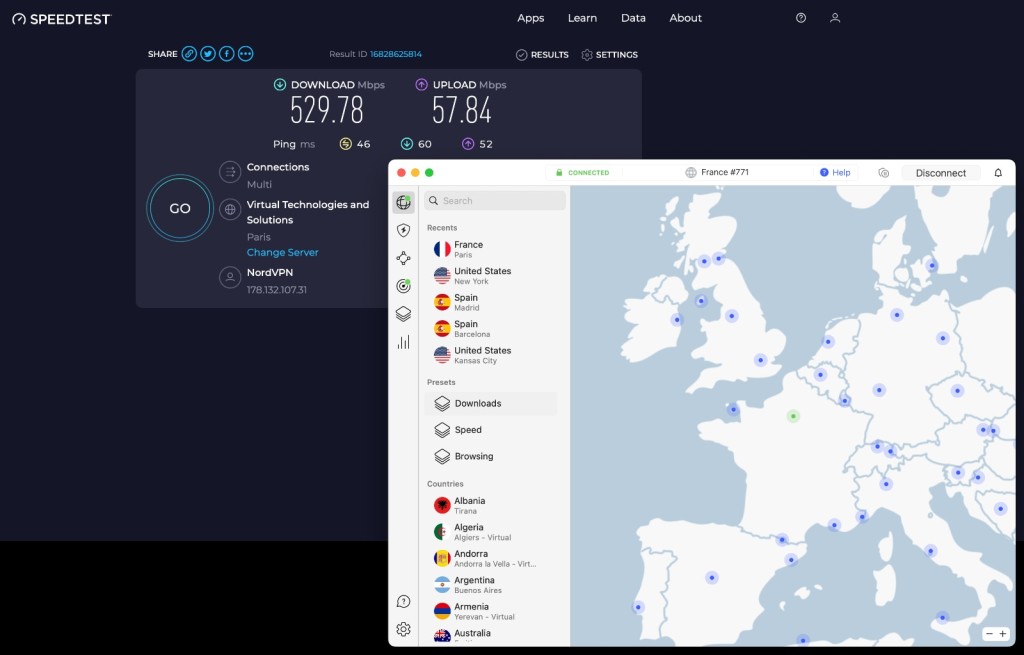
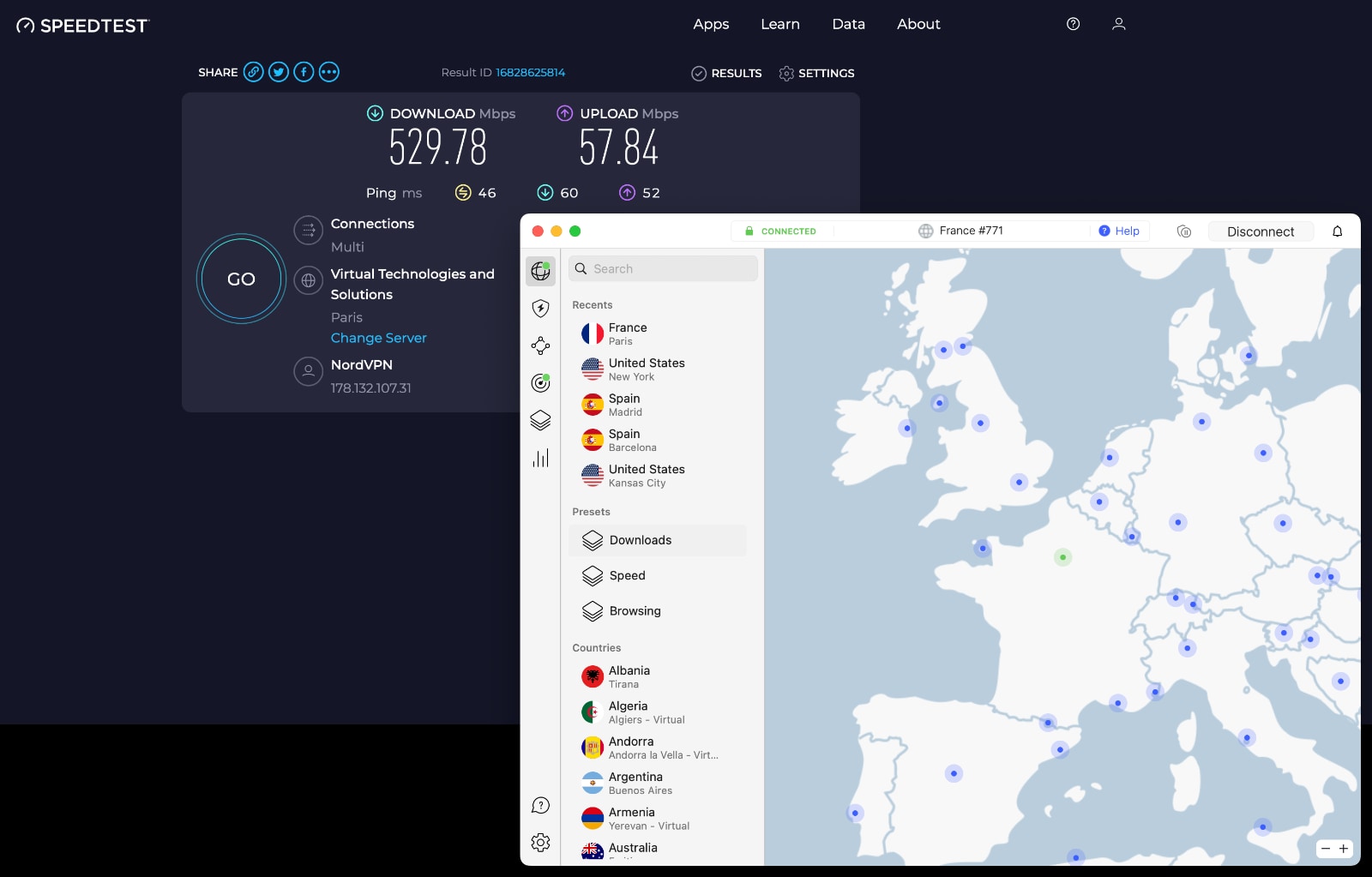
In real-world testing, NordVPN delivered outstanding performance for active trading. On a 700 Mbps baseline connection, we measured average speeds of 529 Mbps, which is more than enough for real-time order execution, futures trading, arbitrage strategies, and API-based activity, even during high market volatility.
Pros
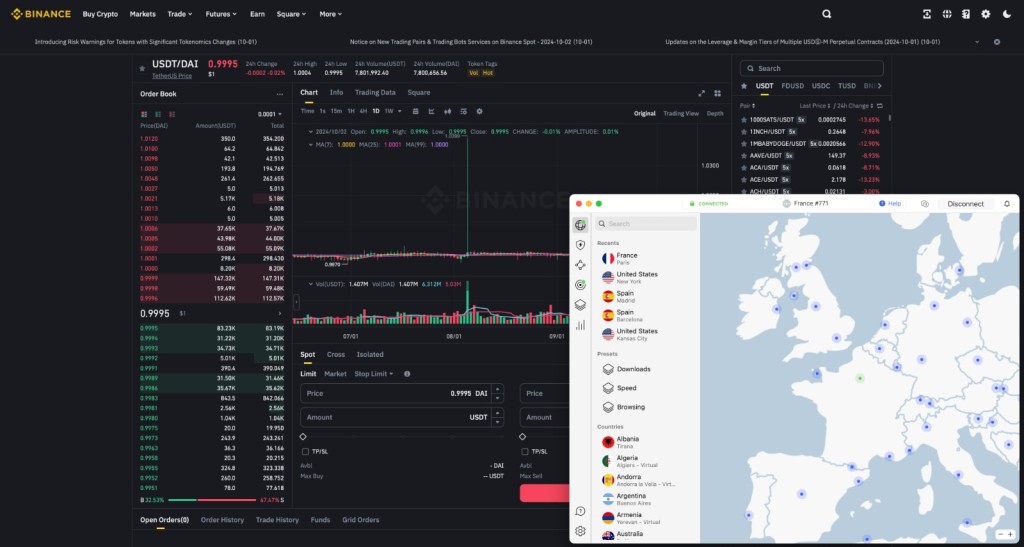
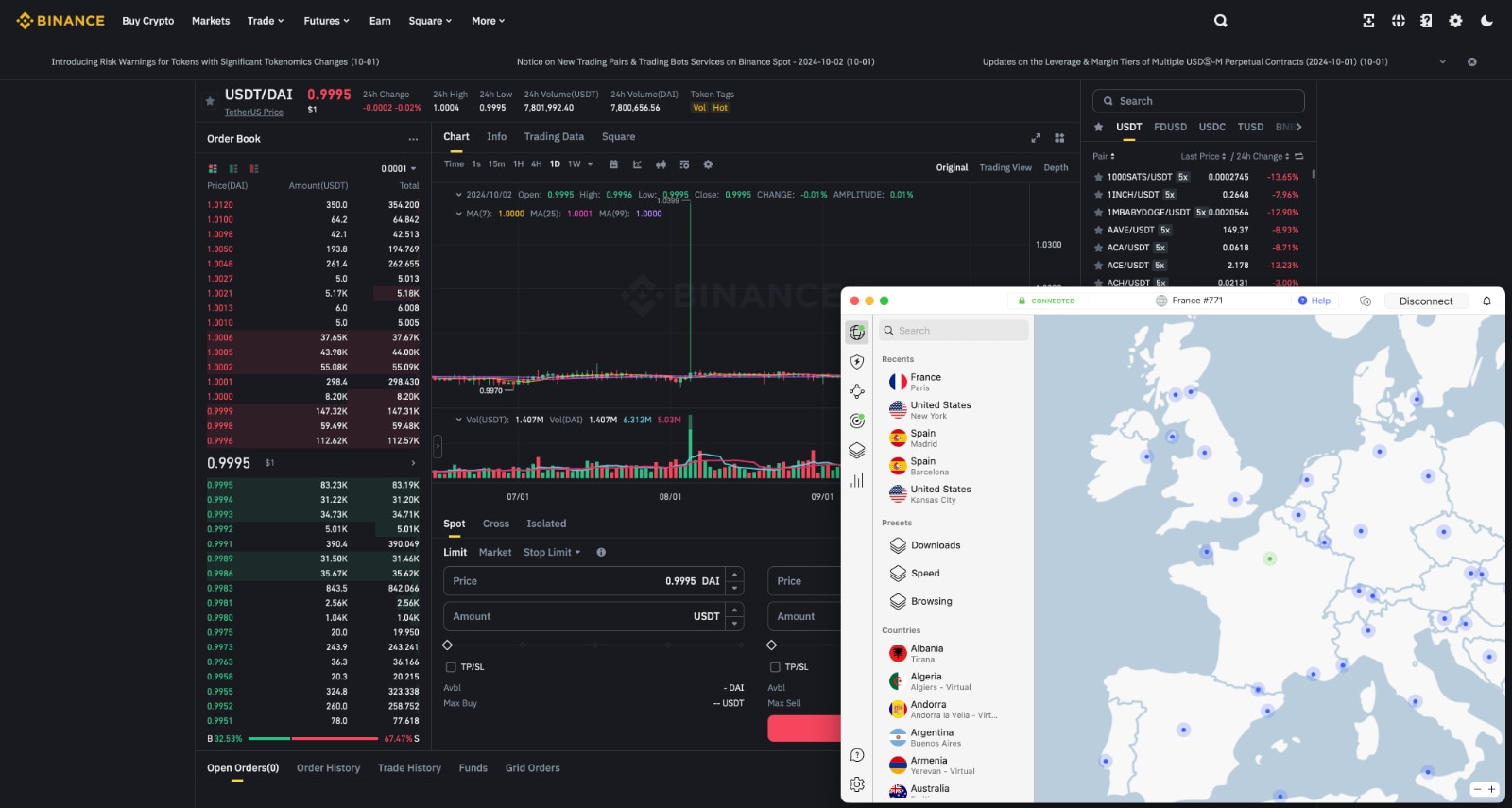
- Reliable Access to Major Crypto Exchanges Without Account Flags: We tested NordVPN extensively across Binance, Coinbase, Kraken, KuCoin, Bybit, and OKX. It consistently maintained session stability without triggering CAPTCHA loops, suspicious login alerts, or forced KYC re-verification. Unlike many VPNs that rotate IPs too aggressively, NordVPN uses clean, low-abuse IP pools and long-session stability, making it ideal for traders who log in multiple times daily or manage multiple exchange accounts.
- Stable IP Infrastructure with Dedicated IP Option: IP stability is critical for crypto trading, and NordVPN performs exceptionally well here. During long trading sessions, IPs remained consistent, reducing the risk of exchange security triggers. For users who want maximum account trust signals, especially for API trading, withdrawals, or high-volume accounts, NordVPN also offers optional dedicated IP addresses as an add-on.
- Low Latency for Real-Time Spot, Futures, and Margin Trading: NordVPN’s NordLynx protocol (WireGuard-based) consistently delivered ultra-low latency connections in our testing. Order execution remained fast even during periods of extreme price volatility. We placed market orders, limit orders, and leveraged trades across multiple exchanges without delays, making NordVPN suitable for scalping, arbitrage, and high-frequency trading strategies.
- Military-Grade Encryption with Future-Proof Security: NordVPN uses AES-256-GCM, ChaCha20, and Post-Quantum Encryption (NordLynx Protocol) alongside Perfect Forward Secrecy, ensuring your trading sessions, API keys, wallet connections, and account credentials remain protected. It also recently rolled out post-quantum encryption across all devices, making it one of the few VPNs currently preparing users for next-generation cryptographic threats, an important advantage for long-term crypto investors and institutional traders.
- Kill Switch and Full Leak Protection (IP, DNS, WebRTC, IPv6): NordVPN includes both system-level and app-level kill switches, preventing any data exposure if your VPN connection drops unexpectedly. In our stress testing, NordVPN produced zero IP, DNS, WebRTC, or IPv6 leaks, ensuring your real location never surfaces, even briefly. This is essential for crypto traders, as a single IP leak during login can permanently flag an exchange account or delay withdrawals.
- Obfuscated Servers for Restricted Networks and Sensitive Regions: NordVPN offers specialized obfuscated servers that disguise VPN traffic as regular HTTPS traffic. These proved effective when testing from restrictive networks and high-surveillance regions, maintaining stable access to exchanges without triggering VPN detection systems. While not required for most users, they provide an extra safety layer for traders operating under strict internet conditions.
- Large, Geo-Diverse Server Network That Avoids Congestion: With 8,900+ servers in 129 countries, NordVPN offers one of the largest VPN infrastructures available. This allows traders to choose crypto-friendly jurisdictions, reduce latency by connecting to nearby servers, and avoid congested nodes during market surges. During testing, we consistently found fast, uncongested servers in North America, Europe, and Asia-Pacific regions, even during major market events.
- Strict, Independently Audited No-Logs Policy: NordVPN operates from Panama, a privacy-friendly jurisdiction with no mandatory data retention laws. Its no-logs policy has undergone multiple independent audits, confirming that it stores no IP addresses, session metadata, or activity logs. This ensures your trading behavior, account access, and financial activity remain private and untraceable.
- Apps for All Devices and Full Router Support: NordVPN offers polished apps for Windows, macOS, Linux, Android, iOS, Android TV, and routers. We tested its apps across desktop trading terminals, mobile exchange apps, and browser-based dashboards, setup took under a minute on every platform. Router installation is especially useful for traders running multiple devices, trading bots, or hardware wallets under one encrypted connection.
- Stable Performance During High Market Volatility: During long trading sessions, including periods of extreme market volatility, NordVPN maintained consistent uptime without disconnects or forced server switching. This reliability is crucial for traders managing leveraged positions, running automated strategies, or monitoring markets continuously.
- Unlimited Bandwidth With No Speed Caps or Throttling: NordVPN does not impose bandwidth limits or speed throttling. We ran continuous trading sessions, live order book monitoring, and API activity without performance degradation. This makes it suitable for both casual investors and professional traders executing high-frequency strategies.
- Split Tunneling for Selective App Routing: NordVPN supports split tunneling on Windows and Android, allowing traders to route only crypto exchanges and trading apps through the VPN while keeping banking apps, local services, or region-locked platforms on their regular connection. This improves performance and makes multi-platform workflows smoother.
- Crypto Payments, Transparent Policies, and 24/7 Support: NordVPN supports cryptocurrency payments via CoinGate, allowing traders to subscribe without linking traditional financial information. Its policies clearly allow crypto trading, and its 24/7 live chat support proved fast and knowledgeable during our testing. Combined with a 30-day money-back guarantee, users can test exchange compatibility risk-free.
Cons
- More Expensive Than Budget Crypto VPNs: NordVPN’s long-term plans start at $3.09 per month for 24 months, which is competitive for premium VPNs but higher than budget options like Surfshark. Month-to-month plans are particularly pricey.
To learn what else to expect, visit our hands-on NordVPN review.
2. Surfshark - Most User And Budget-Friendly Crypto VPN
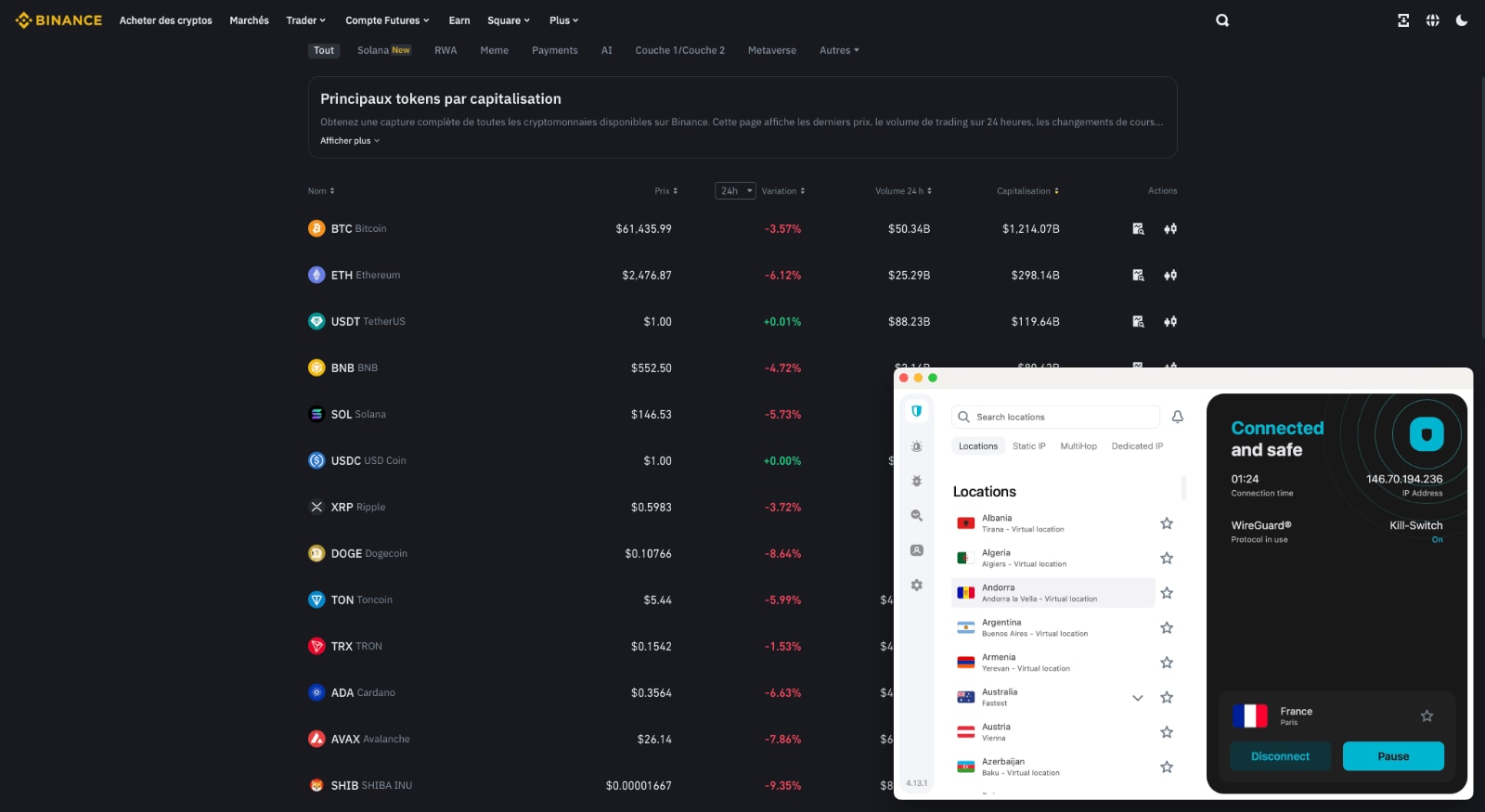
Surfshark stands out as one of the best budget-friendly VPNs for crypto trading, offering a rare combination of strong security, low-latency performance, and unlimited device connections. With over 4,500+ servers in 100 countries and consistently clean IP ranges, Surfshark provides reliable access to major exchanges without triggering account security systems.
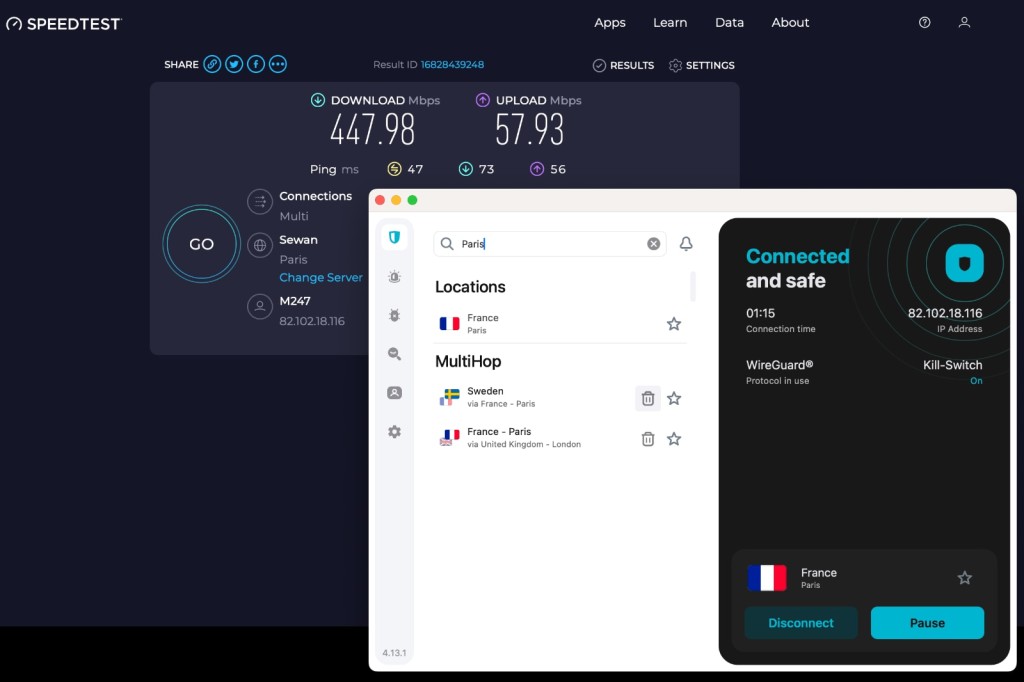
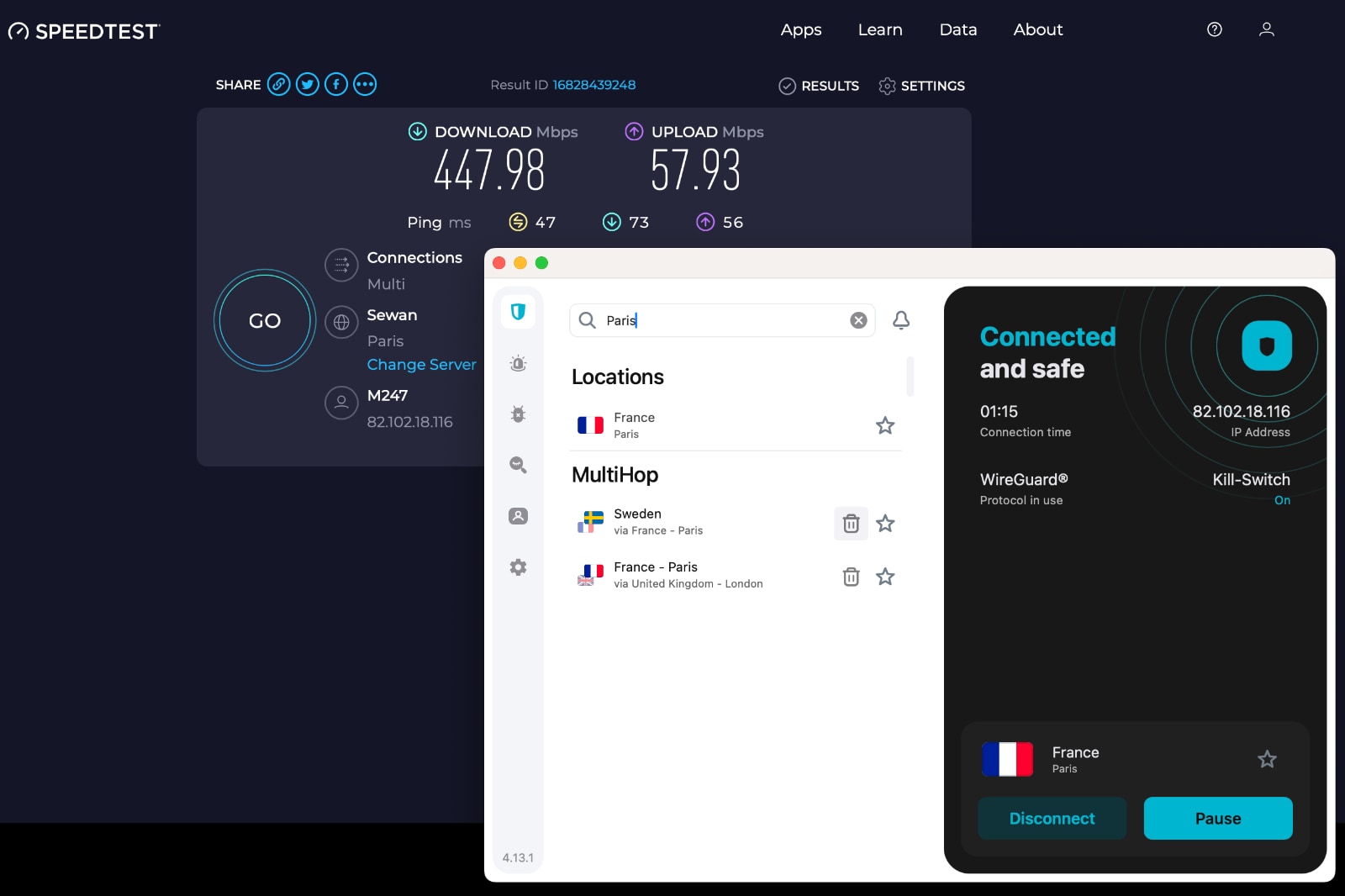
In real-world testing, Surfshark delivered excellent performance for trading. On a 700 Mbps baseline connection, we recorded speeds of around 447 Mbps on nearby servers, which is more than sufficient for real-time spot trades, futures execution, arbitrage strategies, and mobile trading without noticeable latency or dropped sessions.
Pros
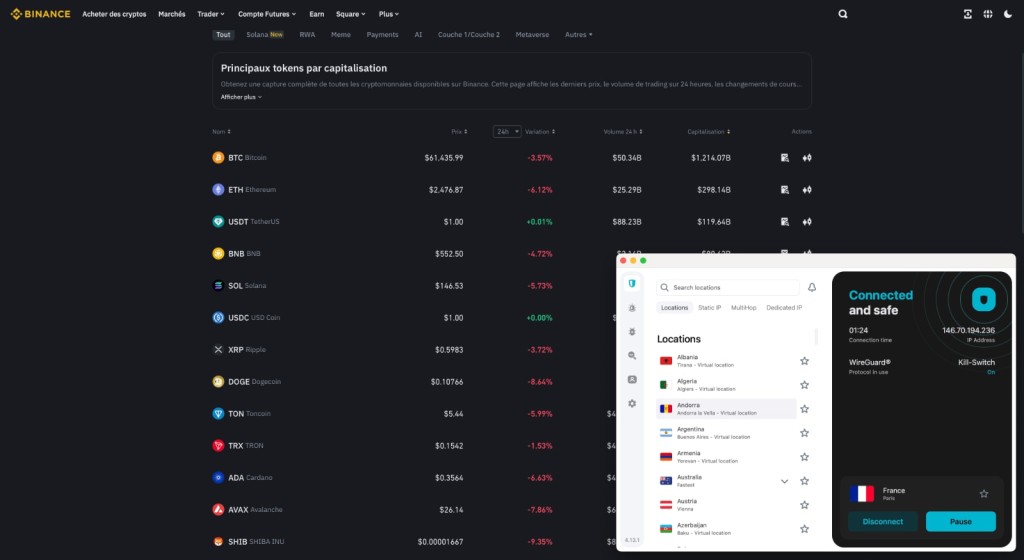
- Consistent Access to Major Crypto Exchanges Without Security Flags: We tested Surfshark across Binance, Coinbase, Kraken, Bybit, OKX, and KuCoin, and it reliably maintained access without triggering suspicious login alerts, CAPTCHA loops, or forced re-verifications. Surfshark’s IP pool appears clean and low-risk, allowing us to log in repeatedly from the same server without account interruptions.
- Low-Latency Performance Suitable for Real-Time Trading: Surfshark’s WireGuard-based connections delivered minimal latency increases during testing. Market orders, futures trades, and margin positions executed smoothly even during periods of high volatility. On a 700 Mbps baseline, average speeds reached 447 Mbps, which allowed for near-instant order placement and responsive chart updates. This makes Surfshark viable for day traders, scalpers, and mobile traders alike.
- Large, Geo-Diverse Server Network That Reduces Congestion: With 4,500+ servers in 100 countries, Surfshark offers excellent geographic coverage, making it easy to connect through crypto-friendly jurisdictions while avoiding overcrowded servers. During testing, we encountered no noticeable congestion, even during peak market events, and were able to maintain fast, stable connections across the US, Europe, and Asia-Pacific regions.
- NoBorders Mode for Restricted Networks and Exchange Access: Surfshark includes obfuscation through its NoBorders mode, which hides VPN traffic itself and is useful for users trading from restrictive regions or heavily monitored networks. While not enabled by default, activating NoBorders allowed us to maintain access to major exchanges in environments where standard VPN traffic is typically blocked. This adds an important layer of reliability for travelers and traders operating under network censorship.
- Strong Encryption and Modern Security Architecture: Surfshark uses AES-256-GCM (OpenVPN and IKEv2), ChaCha20 (WireGuard), and Post-Quantum Encryption (WireGuard + Dausos), along with Perfect Forward Secrecy. It also supports post-quantum encryption under WireGuard, adding future-proof cryptographic protection. This ensures that sensitive trading activity, including account credentials, API keys, and wallet connections, remains protected against interception and surveillance.
- Kill Switch and Full Leak Protection: Surfshark includes a reliable kill switch and complete protection against IP, DNS, and WebRTC leaks. During stress testing, including forced network drops and protocol switching, Surfshark never exposed our real IP address. This is especially important for crypto traders, as even brief IP leaks during login can trigger permanent account security flags or withdrawal restrictions.
- Strict No-Logs Policy with Independent Audits: Headquartered in the Netherlands, Surfshark operates under a verified no-logs policy that has been independently audited. It does not store IP addresses, session timestamps, or activity data, ensuring that trading activity remains private. This makes Surfshark suitable for users who prioritize both security and jurisdictional transparency.
- Unlimited Simultaneous Connections for Multi-Device Trading: Surfshark supports unlimited simultaneous connections, which is especially valuable for traders using multiple devices, such as desktop terminals, mobile apps, tablets, and hardware wallet dashboards, all at the same time. During testing, we ran Surfshark across multiple devices simultaneously without performance degradation or connection conflicts.
- Apps and Platform Compatibility Across All Trading Environments: Surfshark offers polished apps for Windows, macOS, Linux, Android, and iOS, as well as router compatibility. We tested Surfshark on desktop trading platforms, browser-based exchanges, and mobile apps, and setup was consistently fast and intuitive. This makes it easy to maintain VPN protection regardless of whether you’re trading at home, traveling, or switching between devices throughout the day.
- Stable Connections During High Market Volatility: During extended trading sessions, including periods of heavy market movement, Surfshark maintained stable tunnels without disconnects or forced reconnections. We tested prolonged Binance futures sessions and fast-moving altcoin trades without experiencing order delays, dropped connections, or exchange-side session resets.
- Split Tunneling for Optimized Trading Performance: Surfshark supports split tunneling (called “Bypasser”), allowing users to route only crypto trading apps through the VPN while keeping other services on a regular connection. We used this to protect Binance and Kraken sessions while allowing access to local banking apps and regional services, improving speed and convenience without compromising security.
- Transparent Crypto Support, Live Chat, and Risk-Free Trials: Surfshark clearly allows crypto trading and supports cryptocurrency payments. Its 24/7 live chat support was responsive during testing, offering quick server recommendations when needed. Combined with a 30-day money-back guarantee, Surfshark allows traders to test real exchange compatibility without financial risk.
- Most Budget Friendly: Surfshark is the most budget-friendly yet premium VPN you will get. It costs $1.99 per month for 24 months.
Cons
- Occasional Connection Delays on First Startup: While overall performance is excellent, Surfshark sometimes takes slightly longer than competitors like NordVPN or ExpressVPN to establish an initial connection, especially on distant servers. This does not affect trading stability once connected, but may slightly slow first-time setup.
Interested in learning more? If so, don't forget to check our Surfshark review.
3. ExpressVPN - Fast, Fully Automated VPN With Built-In Obfuscation For Trading
ExpressVPN is one of the most reliable VPNs for crypto trading, offering consistently fast speeds, excellent connection stability, and universal access to major exchanges without triggering security flags. Thanks to its fully obfuscated server network, strong encryption standards, and high-performance Lightway protocol, ExpressVPN allows traders to access global crypto markets securely while maintaining low latency during high-volatility periods.
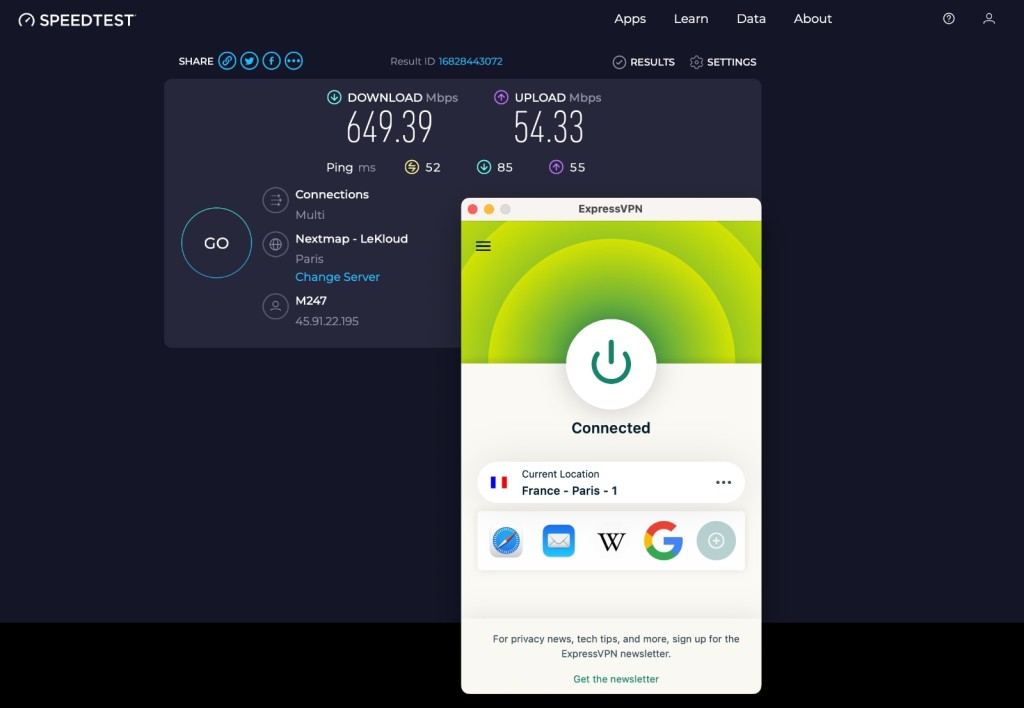
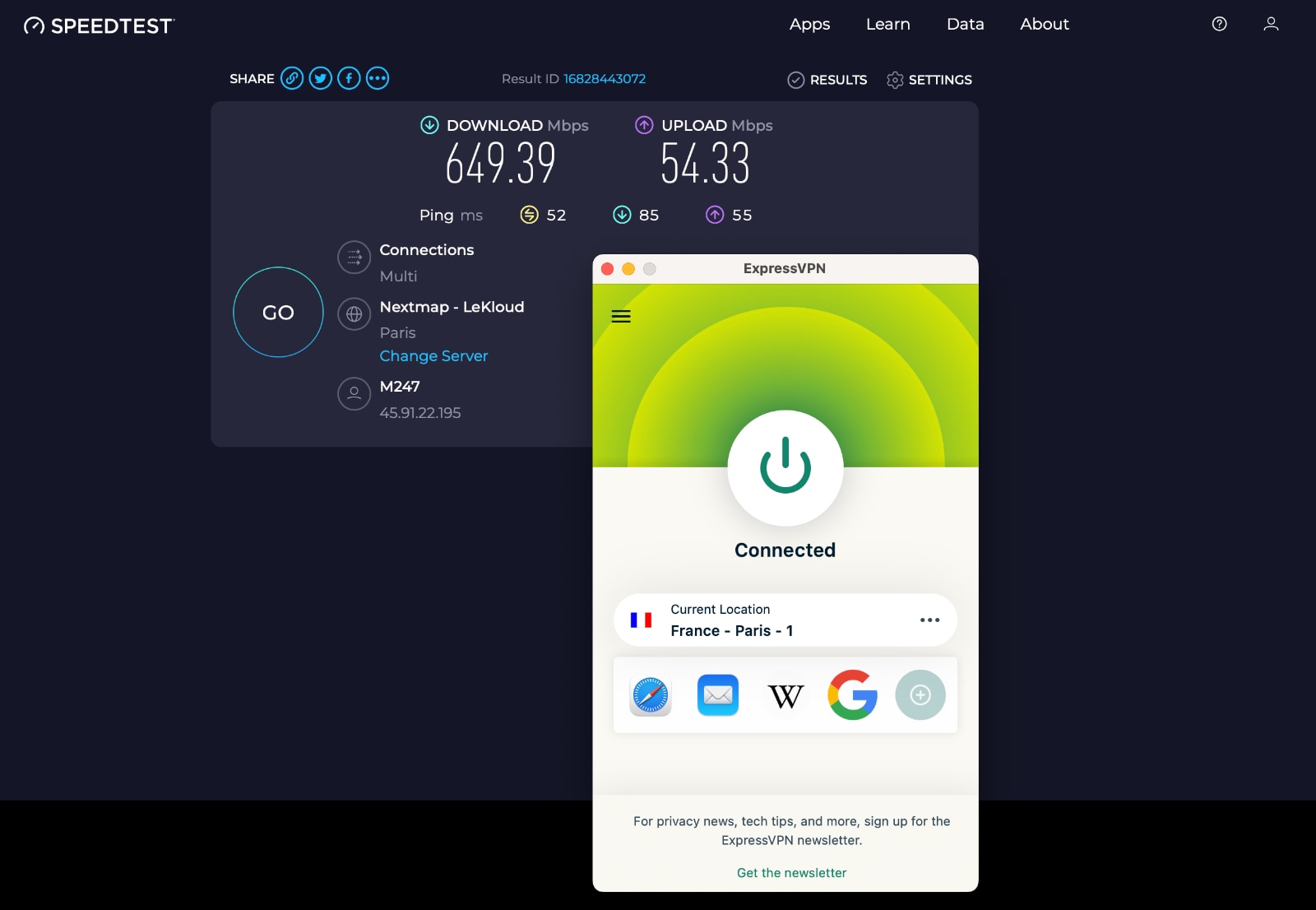
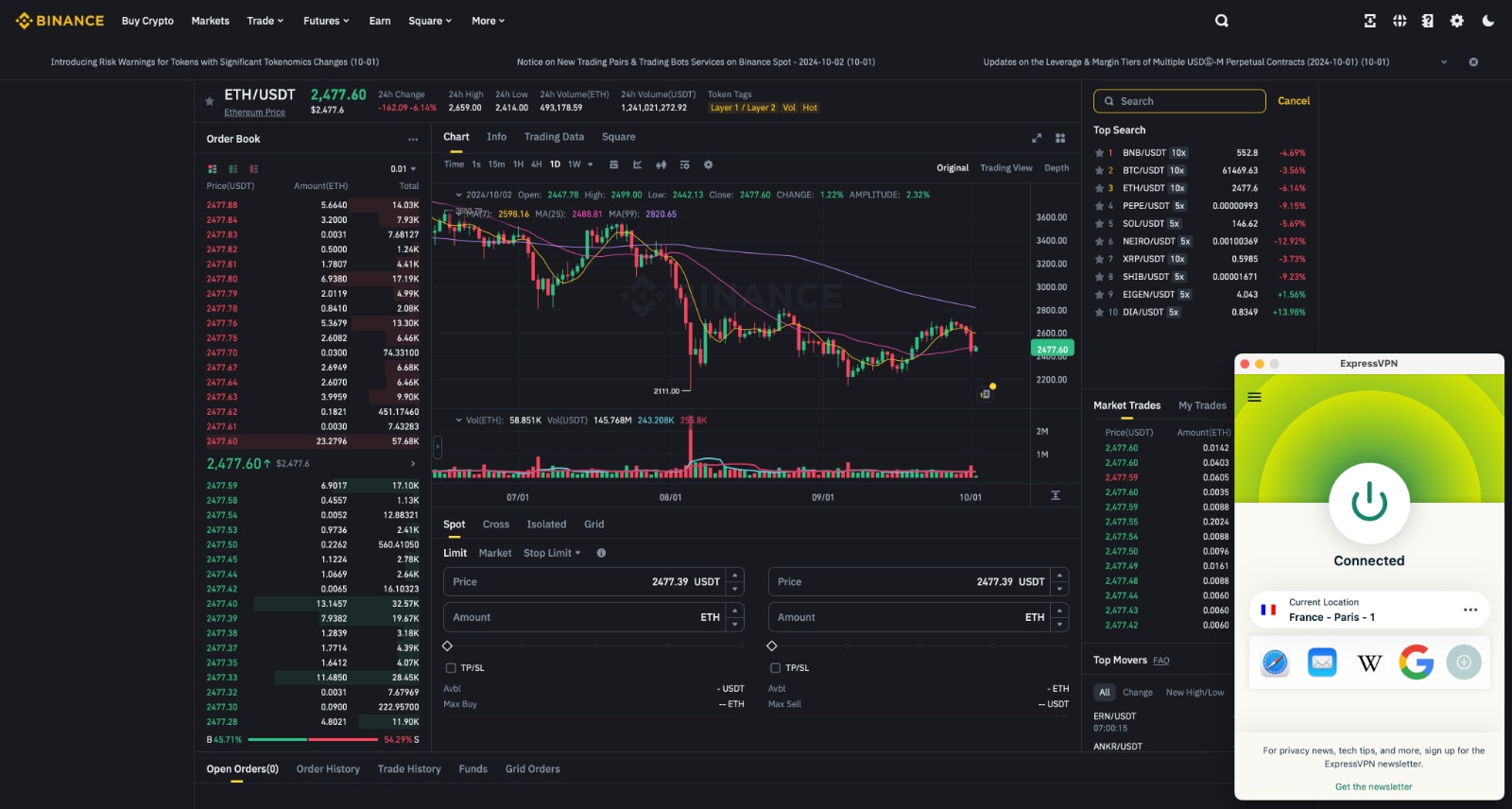
In real-world testing, ExpressVPN delivered some of the fastest VPN speeds we recorded. On a 700 Mbps baseline connection, its France-based server reached around 649 Mbps, making it more than capable of handling real-time spot trading, futures execution, margin positions, and high-frequency order placement without delays or connection instability.
Pros
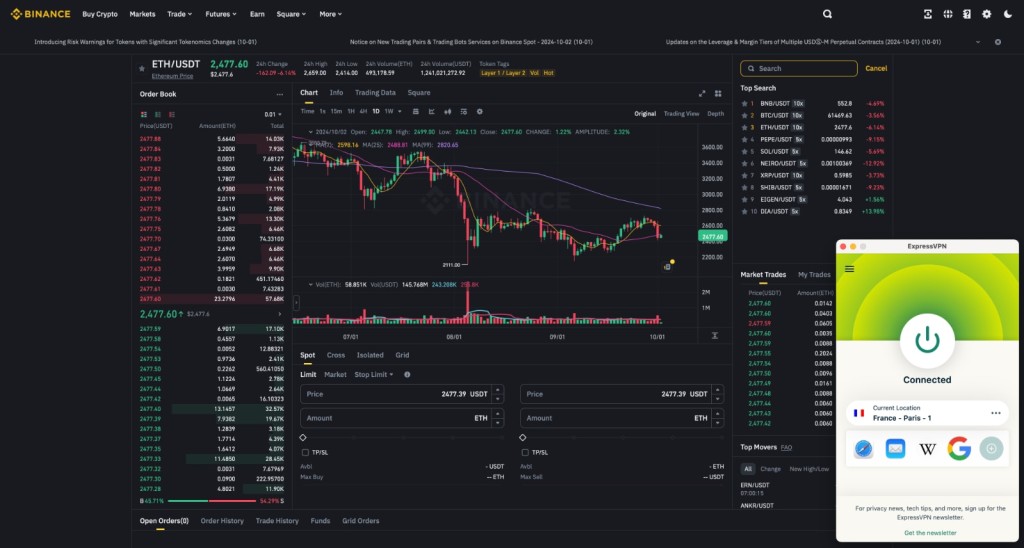
- Consistent Access to Major Crypto Exchanges Without Account Flags: We tested ExpressVPN across Binance, Kraken, KuCoin, Bitget, Gate.io, Coinbase, and OKX, and it consistently maintained access without triggering login challenges, CAPTCHA loops, or forced verification prompts. ExpressVPN’s clean IP infrastructure and stable routing allow long trading sessions without sudden IP changes, a major advantage for traders who want uninterrupted access without risking account restrictions.
- Ultra-Low Latency Performance for Real-Time Trading: ExpressVPN’s proprietary Lightway protocol is optimized for speed and fast handshakes, resulting in minimal latency overhead. During live trading sessions, we experienced fast order execution even during periods of high market volatility. Futures contracts, leveraged trades, and rapid spot transactions all executed smoothly, making ExpressVPN suitable for scalping, arbitrage, and active day trading strategies.
- Massive Global Server Network with Crypto-Friendly Coverage: With undisclosed number of servers in 105 countries, ExpressVPN offers one of the most geographically diverse VPN networks available. This allows traders to select crypto-friendly jurisdictions, optimize latency, and avoid congested nodes during market surges. In testing, we had no trouble finding fast, stable servers in the US, UK, EU, and Asia-Pacific regions, even during peak trading hours.
- 100% Obfuscated Server Network for Unrestricted Exchange Access: Unlike many VPNs that reserve obfuscation for select servers, ExpressVPN applies obfuscation automatically across its entire network. This means your VPN traffic blends seamlessly with regular HTTPS traffic, helping avoid VPN detection by exchanges, ISPs, or restrictive networks. During testing, this significantly reduced login errors and connection failures on platforms that aggressively filter VPN traffic.
- Military-Grade Encryption and Industry-Leading Security Standards: ExpressVPN uses AES-256 and ChaCha20/Poly1305 encryption paired with secure protocols like OpenVPN, Lightway, and IKEv2. Perfect Forward Secrecy ensures that session keys are regularly rotated, protecting historical traffic even if encryption keys were somehow compromised. This level of security protects sensitive trading data, API keys, wallet connections, and login credentials, especially important when trading over public Wi-Fi or unsecured networks.
- Kill Switch and Comprehensive Leak Protection: ExpressVPN’s kill switch (called Network Lock) instantly blocks internet traffic if the VPN connection drops, preventing real IP exposure. It also protects against IP, DNS, and WebRTC leaks. During extensive leak testing across nearby and long-distance servers, ExpressVPN produced zero leaks, ensuring consistent privacy even during forced disconnect scenarios, a critical safeguard for traders who want to avoid permanent exchange flags.
- Strict No-Logs Policy Audited Multiple Times: ExpressVPN operates under a verified no-logs policy that has been independently audited several times. Based in the British Virgin Islands, a jurisdiction with no mandatory data retention laws, ExpressVPN does not store IP addresses, session timestamps, or activity data. For crypto traders, this guarantees that trading behavior, login history, and session metadata remain private and untraceable.
- Stable Long-Term Connections During Market Spikes: We tested ExpressVPN during periods of extreme volatility and high exchange traffic, and it maintained stable connections without forced reconnects or session drops. Even during extended multi-hour trading sessions, performance remained consistent, making it suitable for traders managing open futures positions or running automated trading strategies.
- Native Apps and Router Support for Every Trading Setup: ExpressVPN offers polished apps for Windows, macOS, Linux, Android, and iOS, along with full router compatibility. We tested it on desktop trading terminals, mobile exchange apps, and browser-based dashboards, setup was fast and intuitive across all platforms. Router-level support is particularly useful for traders running multiple devices, hardware wallets, or trading bots behind a single secure tunnel.
- Split Tunneling for Selective Trading Protection: ExpressVPN supports split tunneling on desktop and mobile platforms, allowing traders to route only crypto exchanges and trading apps through the VPN while keeping other traffic local. We used this to protect Binance and Kraken sessions while retaining access to regional banking apps and local services, a valuable feature for traders managing both fiat and crypto workflows.
- Unlimited Bandwidth with No Throttling or Trading Restrictions: ExpressVPN does not impose bandwidth limits or speed caps, even during prolonged high-volume trading. In practice, we streamed real-time order books, placed high-frequency trades, and maintained multiple concurrent sessions without performance degradation, making it suitable for both casual investors and professional traders.
- Crypto Payments, 24/7 Support, and Risk-Free Testing: ExpressVPN accepts cryptocurrency payments via BitPay, allowing privacy-conscious traders to subscribe anonymously. You also get 24/7 live chat support and a 30-day money-back guarantee, making it easy to test exchange compatibility and performance without financial risk.
Cons
- No Dedicated or Static IP Option: ExpressVPN does not offer dedicated IP addresses, which some advanced traders prefer for API whitelisting or consistent exchange access. However, its strong IP reputation and session stability reduce the need for static IPs in most cases.
- Higher Pricing Compared to Budget Crypto VPNs: ExpressVPN starts at $2.44 per month for 24 months, making it more expensive than alternatives like Surfshark or CyberGhost. While the performance and reliability justify the premium for active traders, casual users may prefer lower-cost options.
Our ExpressVPN review explains in-depth why we recommend this provider.
4. CyberGhost VPN - Easy-To-Use VPN With Specialized Servers
CyberGhost is a beginner-friendly yet capable VPN for crypto trading, offering strong security protections, reliable access to major exchanges, and an easy-to-use interface across all platforms. Thanks to its large global server presence, audited no-logs policy, and stable infrastructure, CyberGhost allows traders to access popular crypto platforms safely without triggering security alerts or connection instability.
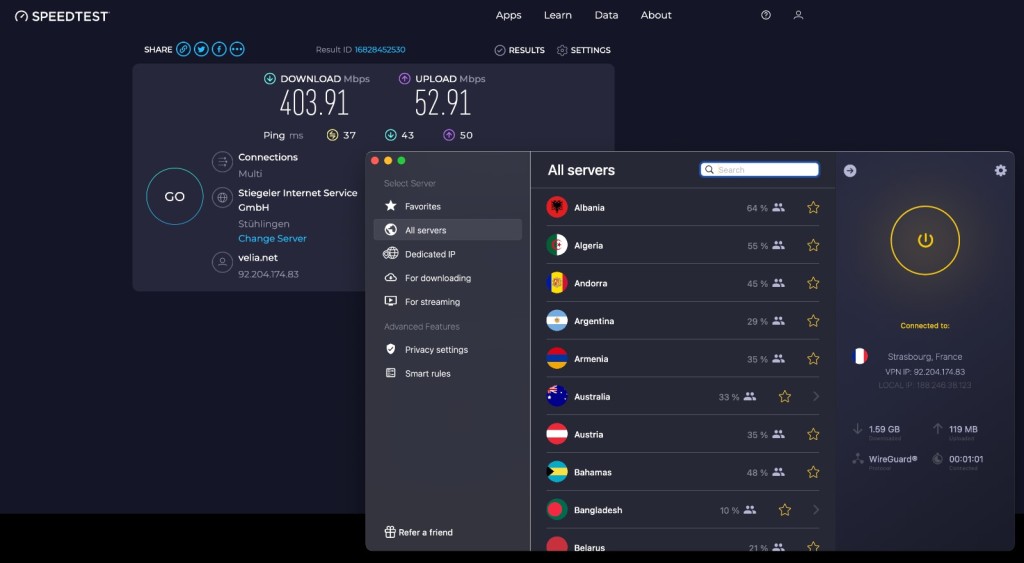
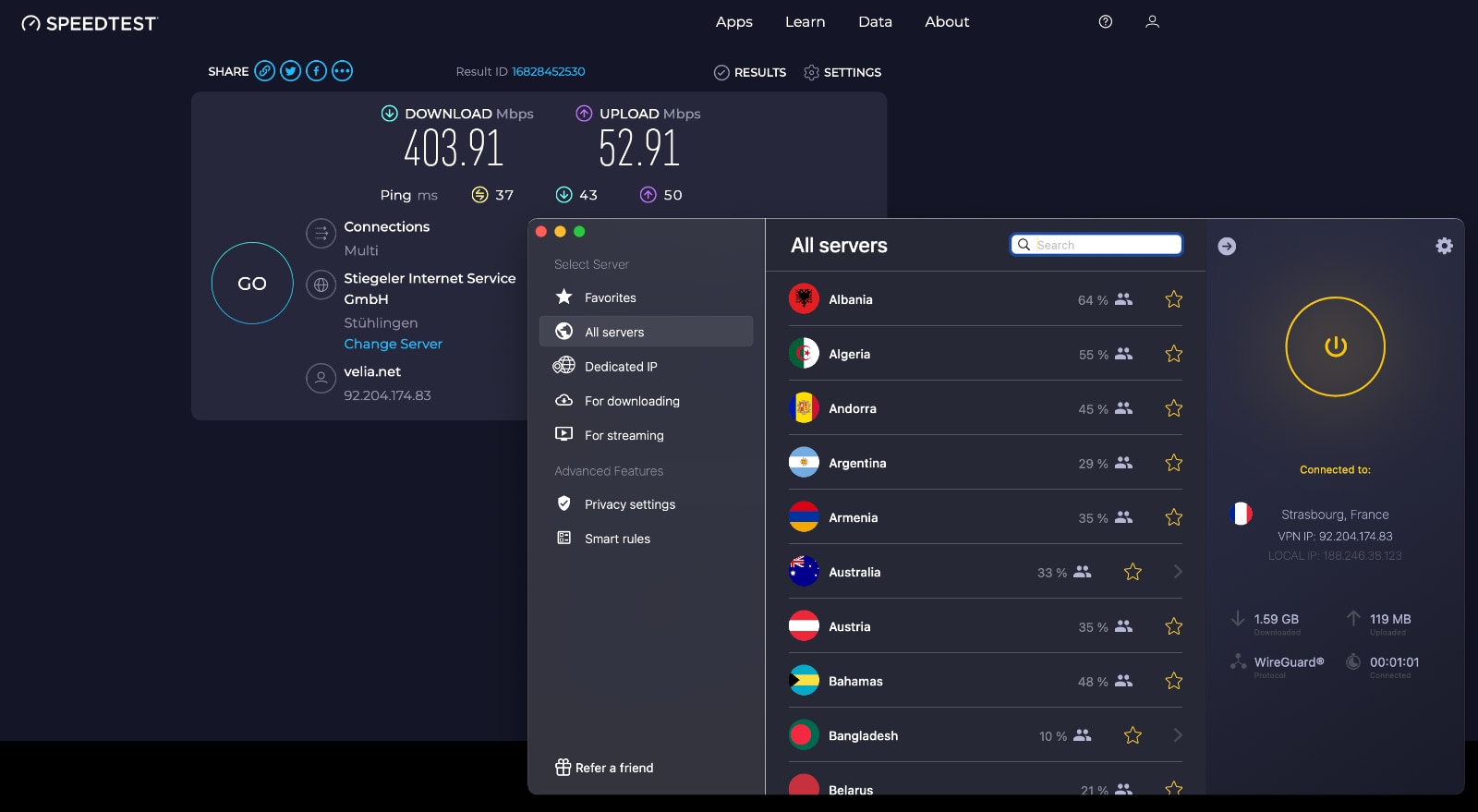
In real-world testing, CyberGhost delivered solid performance across both nearby and mid-distance servers. On a 700 Mbps baseline connection, we recorded around 403 Mbps on its France-based server, which is more than enough for spot trading, futures execution, real-time charting, and account management without noticeable latency or dropped sessions.

Pros
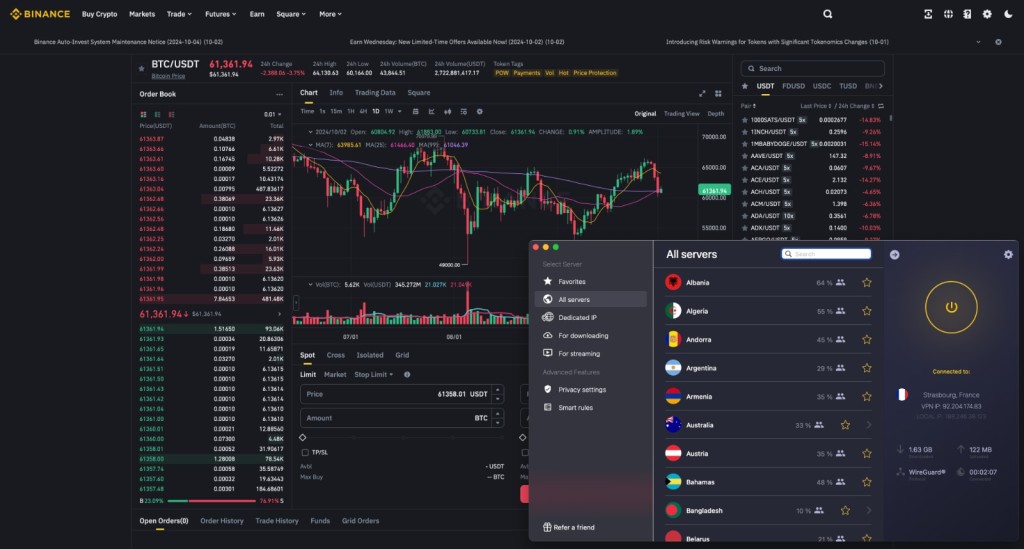
- Reliable Access to Major Crypto Exchanges Without Security Flags: We tested CyberGhost across Binance, ByBit, OKX, KuCoin, Kraken, and other major platforms, and it consistently maintained access without triggering CAPTCHA loops, forced logouts, or account verification warnings. While it doesn’t offer dedicated IPs, CyberGhost uses clean IP ranges and stable session routing, which helps avoid the frequent IP shifts that often flag exchange security systems.
- Strong Security and Encryption for Protecting Trading Sessions: CyberGhost uses AES-256-GCM and ChaCha20 encryption paired with WireGuard, OpenVPN, and IKEv2 protocols. These standards protect login credentials, API keys, session cookies, and trading activity from interception, especially important when trading over public Wi-Fi or unsecured networks. The VPN also supports Perfect Forward Secrecy, ensuring past sessions remain secure even if future keys were compromised.
- Kill Switch and Complete Leak Protection (IP, DNS, WebRTC): CyberGhost includes a system-level kill switch that automatically blocks traffic if the VPN connection drops unexpectedly. During our testing, we detected zero IP, DNS, or WebRTC leaks across all protocols and platforms. This is critical for crypto trading, as even brief IP exposure during exchange logins can permanently flag accounts or trigger withdrawal restrictions.
- Large, Geo-Diverse Server Network Across 100 Countries: CyberGhost operates an undisclosed number of servers across 100 countries, giving traders plenty of options to connect through crypto-friendly jurisdictions while avoiding congested nodes. This wide coverage makes it easy to maintain stable access to exchanges when traveling or operating across multiple regions, and it reduces the likelihood of performance drops during high-traffic periods.
- Stable Performance During Long Trading Sessions: While CyberGhost isn’t the fastest VPN in our lineup, it delivered consistent and dependable speeds during extended trading sessions. Even during market surges, we experienced no forced disconnects or sudden drops in connectivity. Remote servers can introduce some slowdown, but nearby and mid-range locations maintained stable throughput suitable for both manual and automated trading.
- Split Tunneling for Routing Only Trading Apps Through the VPN: CyberGhost supports split tunneling on Windows and Android, allowing traders to route only crypto exchanges and trading apps through the VPN while keeping other apps on their regular connection. We used this feature to protect Binance and KuCoin while maintaining access to local banking services and regional platforms, improving both speed and usability.
- Simple, Beginner-Friendly Apps for All Devices: CyberGhost offers intuitive apps for Windows, macOS, Linux, Android, and iOS, along with support for routers. We tested the apps on desktops, mobile devices, and browser-based trading dashboards, and setup was quick with no advanced configuration required. With support for up to 7 simultaneous connections, it easily covers a full trading setup across multiple devices.
- Strict, Audited No-Logs Policy Based in a Privacy-Friendly Jurisdiction: Based in Romania, CyberGhost operates outside major surveillance alliances and follows a strict no-logs policy that has been independently audited. This ensures that IP addresses, session metadata, and activity logs are never stored.
- Crypto Payments, Long Refund Window, and 24/7 Live Support: CyberGhost supports cryptocurrency payments via BitPay, allowing users to subscribe without sharing traditional payment details. It also offers an unusually generous 45-day money-back guarantee and responsive 24/7 live chat support. During our testing, support agents were helpful in resolving connection and exchange-access questions quickly.
Cons
- No Obfuscation for Highly Restricted Regions: CyberGhost does not offer obfuscated servers, which makes it less suitable for traders operating from heavily censored regions like China or the UAE. While this won’t affect most users, those in restrictive networks may experience access issues.
- Slower Than Top-Tier Crypto VPNs: Although CyberGhost’s speeds are more than sufficient for crypto trading, it trails behind premium providers like NordVPN and ExpressVPN in raw throughput and latency performance, particularly on long-distance connections.
To see this provider in action, make sure to visit our CyberGhost review.
5. Private Internet Access - Power-User Trading VPN With Deep Customization Options
Private Internet Access (PIA) is a highly customizable VPN that stands out for advanced crypto traders who want full control over security, performance, and connection behavior. With servers in 91 countries, support for modern protocols, and deep configuration options, PIA consistently provides reliable access to major crypto exchanges without triggering account security alerts, while allowing power users to fine-tune their setup for optimal trading performance.
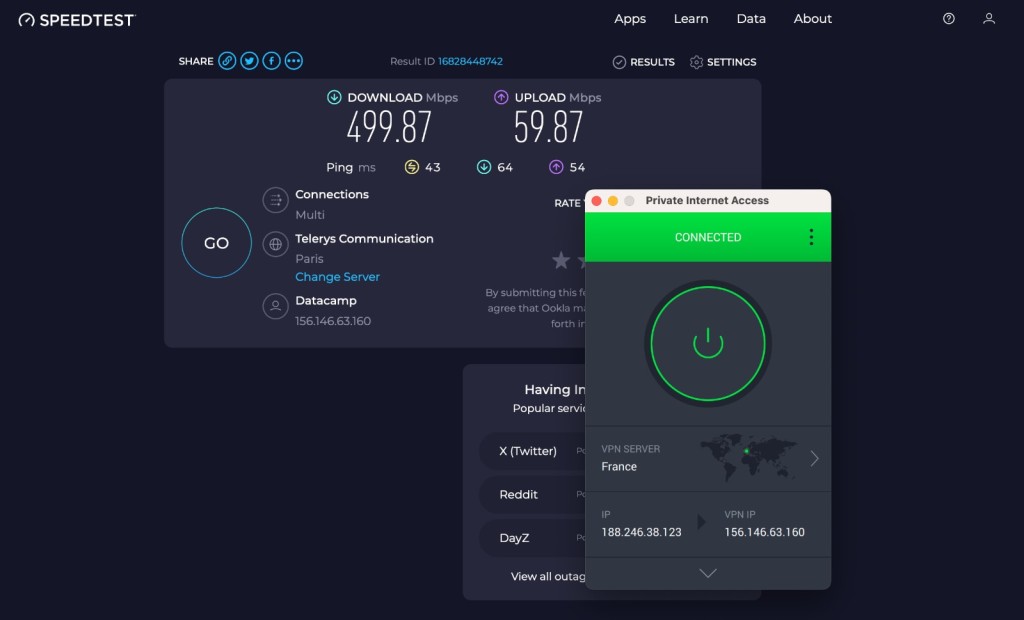
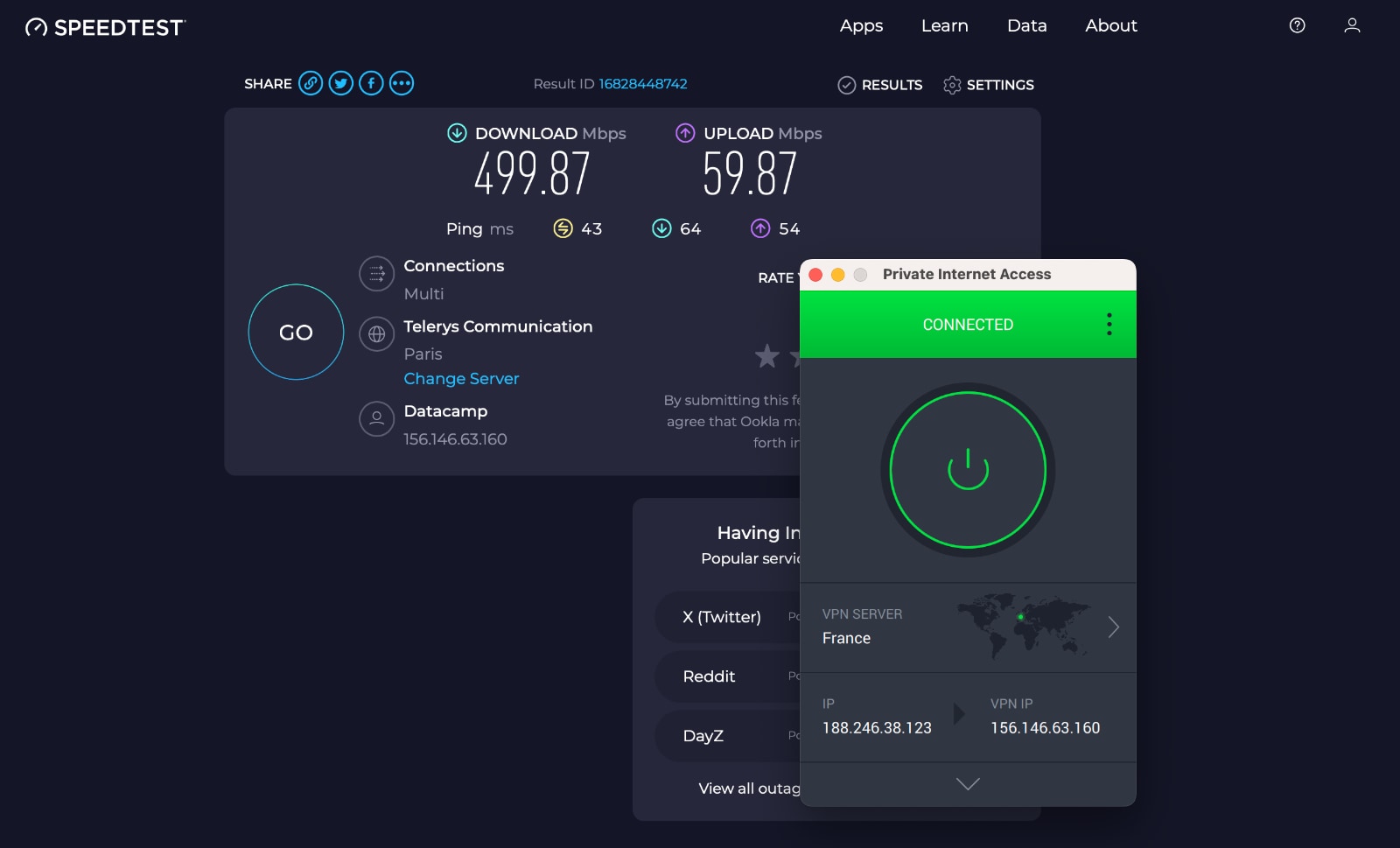
In real-world testing, PIA delivered strong speeds and stable performance. On a 700 Mbps baseline connection, we recorded around 499 Mbps, which is more than enough for real-time spot trading, futures execution, API calls, and multi-platform trading sessions without noticeable latency.
Pros
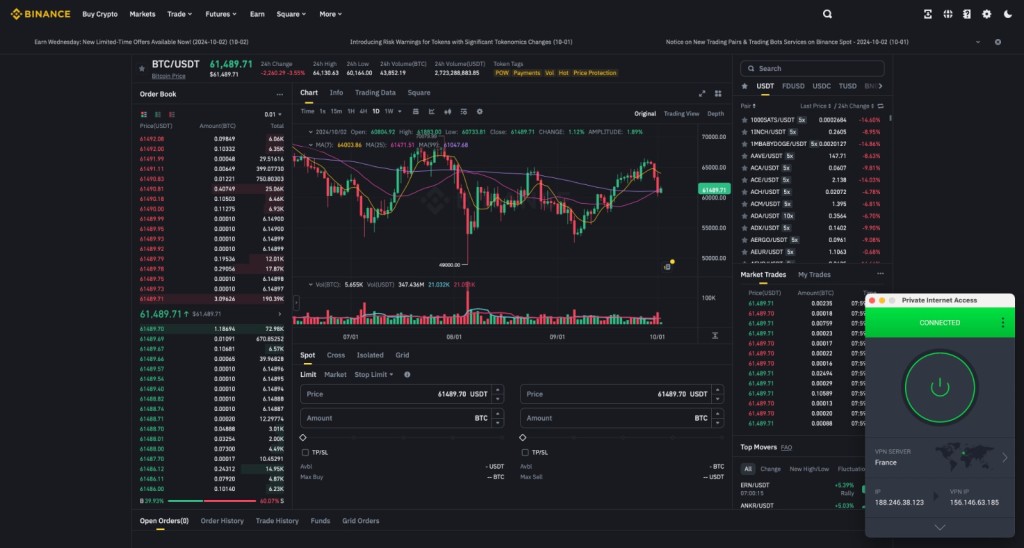
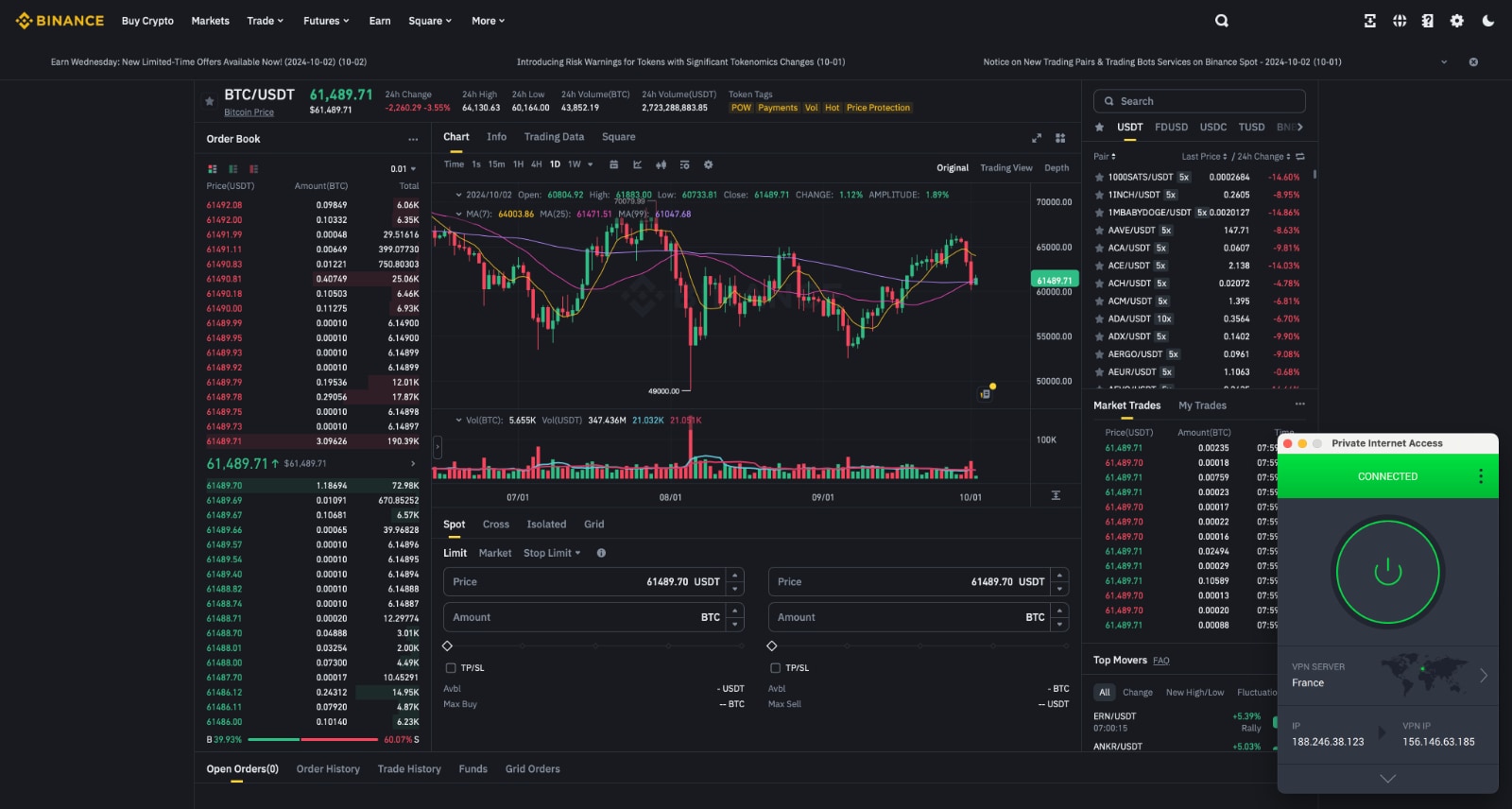
- Reliable Access to Major Crypto Exchanges Without Account Flags: We tested PIA across Binance, Coinbase, Kraken, Bybit, OKX, and KuCoin, and it consistently maintained access without triggering login challenges, CAPTCHAs, or forced verification loops. Thanks to its clean IP infrastructure and stable routing, PIA avoided sudden IP changes that commonly trigger exchange security systems. In practice, we were able to stay logged in across extended sessions without interruptions, making it suitable for both short trades and long-term position management.
- Low-Latency Performance for Active and Real-Time Trading: PIA delivers solid real-time trading performance, especially when using WireGuard. During live market testing, order execution remained fast and responsive, with only minor latency increases compared to a direct connection. This makes PIA suitable for spot, futures, and margin trading, including strategies like scalping and short-term arbitrage where stable low ping is essential.
- Large, Geo-Diverse Server Network That Reduces Congestion: With servers in over 91 countries, PIA provides excellent geographic flexibility for traders who need access to crypto-friendly jurisdictions or region-specific platforms. During testing, we rarely encountered congested servers, even during periods of high market volatility. This wide coverage allows traders to switch locations easily while maintaining stable, fast connections, especially useful for accessing exchanges that enforce regional restrictions.
- Advanced Protocol and Encryption Customization: PIA supports WireGuard, OpenVPN, and IPsec (IKEv2), with extensive encryption options including AES-128-GCM, AES-256-GCM, AES-128-CBC, AES-256-CBC, and ChaCha20. Unlike most VPNs that lock users into fixed configurations, PIA allows traders to adjust encryption strength and handshake settings, enabling a balance between maximum security and optimal performance. This flexibility is especially valuable for traders running bots, APIs, or long-duration sessions.
- Kill Switch, Obfuscation, and Full Leak Protection: PIA offers one of the most customizable kill switches on the market, allowing traders to configure system-level or app-based protection. It also supports obfuscation via Shadowsocks, making VPN traffic harder to detect on restrictive networks. In our leak tests, PIA showed zero IP, DNS, WebRTC, or IPv6 leaks, even during forced disconnects, ensuring that real IP addresses never surfaced during exchange logins or withdrawals.
- Strict No-Logs Policy with Open-Source Apps: PIA operates under a verified no-logs policy and backs it with court-proven transparency and open-source apps. While it is based in the United States, it stores no connection logs, session metadata, or IP addresses. This combination of transparency and privacy auditing makes it one of the most trustworthy VPNs for handling sensitive financial data and trading activity.
- Unlimited Simultaneous Connections Across All Devices: PIA supports unlimited device connections, allowing traders to protect desktops, laptops, mobile devices, tablets, routers, and even trading bots simultaneously under one account. We tested PIA across Windows, macOS, Linux, Android, iOS, and routers, and found the apps intuitive, responsive, and well-optimized for both beginners and advanced users.
- Split Tunneling with Granular App-Level Controls: PIA offers one of the most advanced split tunneling implementations available. Traders can route only exchange apps, trading terminals, or browsers through the VPN while keeping other traffic local. During testing, this helped reduce latency while maintaining VPN protection for Binance and Kraken, allowing seamless access to local banking services and regional websites at the same time.
- Stable Long-Term Connections During Market Volatility: During extended testing sessions, including high-volatility periods, PIA maintained stable connections with no forced disconnects. While minor speed fluctuations occurred during peak traffic times, the VPN remained reliable enough for uninterrupted order placement, trade monitoring, and account management, even during sudden market swings.
- Affordable Pricing with Long Money-Back Guarantee: PIA remains one of the most budget-friendly premium VPNs, starting at $2.03 per month for 24 months. It also offers a 30-day money-back guarantee, making it easy for traders to test exchange compatibility and performance risk-free. Live chat support is available 24/7, and during our testing, support agents provided accurate troubleshooting advice quickly.
Cons
- Requires Manual Optimization for Best Performance: Out of the box, PIA delivers good performance, but traders looking for the lowest latency or best routing may need to tweak protocol and encryption settings. Less technical users may find this customization overwhelming compared to more automated VPNs like NordVPN or ExpressVPN.
- Based in the United States: While PIA maintains a strict no-logs policy and open-source transparency, its US jurisdiction may concern privacy-focused users due to surveillance alliances. However, no user activity data can be provided since PIA does not store logs.
- Not as Beginner-Friendly as Fully Automated VPNs: PIA’s advanced controls, while powerful, can feel complex for new VPN users who prefer one-click simplicity. Traders unfamiliar with encryption or protocol tuning may face a steeper learning curve.
Our Private Internet Access review will show you this VPN's behind-the-scenes.
How to Safely Buy Crypto with a VPN
Trading crypto safely takes more than just picking a good VPN, it starts with setting it up the right way. Below, we’ll walk you through the essential steps to configure and use a VPN for secure, uninterrupted crypto trading. Let’s break it down:
- Choose a VPN that works reliably with crypto exchanges (we recommend NordVPN).
- Visit the VPN provider’s website or your device’s app store and install the app on your trading device.
- Open the app and sign in to your account.
- Connect to the right server location. This is critical for exchange stability and access. Choose a server in a crypto-friendly region or the country where your exchange account is registered.
- Using Binance, Coinbase, Kraken, or Bybit? Stick to a stable server near your real location for fewer security flags.
- Trading while traveling? Connect to a server in your home country to avoid triggering account alerts.
- Accessing region-restricted platforms? Choose a server in a supported jurisdiction.
- Enable essential security features before trading:
- Kill Switch – Prevents your real IP from leaking if the VPN disconnects.
- Obfuscation – Helps hide VPN usage on restricted networks and avoids detection by aggressive filters.
- DNS Leak Protection – Keeps your trading activity and IP address private.
- Split Tunneling – Route only your trading apps or exchange websites through the VPN while keeping other traffic local.
- Threat Protection / Ad & Tracker Blocking – Blocks malicious sites and trackers that could compromise wallets or accounts.
That’s it, you’re now ready to trade crypto with better privacy, stronger security, and stable exchange access.
Some crypto trading platforms require KYC verification when investing or withdrawing larger amounts. Even when using a VPN to trade crypto, if you're asked to verify your identity, you'll be required to upload your personal ID card, and that's not something a VPN can help you hide. So, before using crypto trading platforms, make sure to know their Terms/Conditions of Use.
Also, the best VPN location for crypto trading is based on the home country of the crypto platform you plan to use. However, keep in mind what we said above - as you might be asked to go through a KYC verification procedure.
Why do Crypto Traders Even Need a VPN?
As a crypto trader, your goal is to encrypt and protect your traffic, helping you safeguard your crypto-trading activities. A VPN does exactly that but also unblocks new platforms, protects you against tracking, and even helps you unleash the full speed of your connection. Let's take a closer look.
- Evade Geo-Blocks: Most crypto platforms are available in a limited number of countries, and some platforms support different cryptocurrencies in different markets. A VPN will help you bypass those geo-blocks and trade using any kind of crypto coin.
- Trade Crypto While Traveling Abroad: If you're on the move frequently, a VPN can help you stick to a single location by connecting to a VPN server from back home. So, you'll get to use a VPN to buy crypto from any country in the world.
- Encrypt Your Data (Even on Public Wi-Fi): The main purpose of a VPN is to encrypt your data, which means your data will never be visible to any third party. That means you can even use any public Wi-Fi without worrying that someone will track you online.
- Protect Yourself from Phishing Attempts: Most often, hackers use phishing schemes to steal your credentials and access your assets. A capable VPN will scan the URLs you visit and warn you if you access a phishing page.
- Protect Against Data Theft: There are many examples of crypto platforms getting hacked for the purpose of stealing funds. You can't do anything if your chosen crypto platform leaks data, but a VPN will prevent malicious actors from reaching your funds.
- Make Your Web Browsing Anonymous: Once you enable a VPN, your data gets put through a secure tunnel. Everything that flows through that tunnel will be encrypted, so not even your Internet provider will get to see your browsing activity.
- Prevent Potential Crypto Legal Issues: Crypto trading is unregulated in most of the world, with some countries (like China) even turning against crypto. That means potential problems can arise in the future, so it's best to stay proactive and use a VPN to protect yourself.
- Bypass Firewall-Based Internet Blocks: Networks like those in schools, universities, and workplaces are often designed to prevent access to certain websites. That limitation often includes crypto platforms as well. You can use a VPN to bypass firewalls and other online blocks.
- Never Worry Again About Bandwidth Throttling: Internet providers can throttle their users' Web connections, which is what happens quite often in the US. However, a VPN can negate that, as it hides your online data. So, selective throttling can't be implemented.
Looking for the Best Crypto VPN? Here’s What to Know
Steer your attention towards the ability to unblock crypto platforms, a no-logs policy, strong protocols, and a sizable server network - all of which are the characteristics of a quality VPN. Let's take a look at what else you need to keep in mind:
- Easy Access to Any Crypto Trading Platform: Every VPN has a different server fleet, which means you need to pay attention to how many servers you'll get. You must ensure your chosen VPN can unblock crypto platforms and that it has servers in the countries where the crypto trading platforms you use work without any issues.
- Verified (Audited) No-Logs Policy: Your goal is to ensure that your crypto trading happens without anyone knowing what you do online. That means even your VPN should refuse to log your data. In other words, go for VPNs with a verified no-logs policy.
- Strong Protocols & Effective Encryption: To make your crypto trading as safe as possible, you need a provider powered by reliable VPN protocols. OpenVPN should be your pick, a proven option with no vulnerabilities. Then, WireGuard is also a good pick, especially if you need the fastest possible performance. In terms of encryption, aim for AES-256.
- Go For Obfuscated Servers: By using obfuscated servers, you ensure that no one knows that you are hiding behind a VPN. That's because VPN obfuscation breaks down your data into very small packets, undetectable even by more advanced firewalls.
- You'll Want a Kill Switch & Split Tunneling: VPN connections can sometimes drop without an apparent reason. To ensure your data doesn't leak, even in those cases, pick a VPN with a kill switch. Also, a VPN with split tunneling is a great option for advanced users, as it allows you to create a VPN and non-VPN tunnel at the same time.
- Make Sure You Get Fast Performance: Go for a fast-performing VPN that allows you to trade crypto without any interruptions. Also, you'll want to ensure that your connection remains fast, no matter if you use nearby or remote servers.
- Look for Native Software Across the Board: Crypto trading requires you to stay on top of the latest news, as well as check the latest crypto fluctuations via apps or websites. So, you'll need a VPN that works on all your devices. Also, ensure you get enough simultaneous connections so that you can use your crypto VPN on the go as well.
- Check the Price & Get Your Money's Worth: There's no need to overpay for a VPN, so pay attention to the VPN cost. You'll want one with plenty of value overall, as well as with major discounts on its long-term plans.
- Go For a Risk-Free VPN Subscription: Don't forget that every VPN comes with money-back guarantees, which means you shouldn't be afraid to get a long-term subscription. And in case of any technical issues, you'll be happy to have 24/7 live chat support.
What Are the Best Crypto Trading Platforms?
The most popular crypto trading platforms are Coinbase and Binance, which essentially act as cryptocurrency exchanges. They're used by millions worldwide. However, there are countless trading platforms that differentiate in their supported currencies and fees.
Here's our overview of the most popular crypto exchanges available right now:
Can You Buy a VPN with Crypto?
Yes, you can buy a VPN with crypto. Many VPN providers support cryptocurrencies, which you can use to pay anonymously, leaving no option to trace those transactions back to you.
In the following segments, we'll discuss which VPNs are a good option if you need anonymous payments, as well as which VPNs you need to avoid.
VPN Providers That Accept Crypto Payments
Practically every reputable VPN provider now supports crypto payments. If you're in a hurry, we recommend picking NordVPN, Surfshark, or ExpressVPN. However, here's the full list of the VPNs that accept crypto payments:
*When buying a subscription to PureVPN, you need to message them so that they can create an invoice for your crypto payment. If you encounter a similar situation with any of the VPNs listed above, make sure to contact their support first.
VPN Providers That Don't Accept Crypto Payments
We're not saying the following aren't decent VPNs. VyprVPN, for example, is a really good VPN that offers most of the must-have features we mentioned above. So, if the lack of crypto payment support isn't a deal-breaker for you, check them out, too.
Other Ways to Protect Crypto Transactions
In addition to using a VPN, you can secure and protect your assets with an antivirus, hardware wallet, script blocker, 2FA/MFA, and password managers. Find more info below.
- Use a Trustworthy Antivirus App - A VPN that blocks malicious sites is nice, but you still need a line of defense on your device. If it gets infected, a VPN can't protect it. Pairing your VPN with the best free antivirus will help you isolate, quarantine, and remove the infection.
- Back-Up Your Data via Hardware Wallets - Web wallets aren't as safe since they can be compromised. If you stick to using hardware wallets, you'll essentially keep your coins offline, out of the reach of cybercriminals.
- Use Script Blockers in Web Browsers - Some shady websites can run malicious scripts that infect your device or steal your login credentials. Others could use your device to mine crypto. The best line of defense against them is a script blocker like uMatrix and uBlock Origin.
- Use 2FA/MFA Authentication - Most crypto trading platforms offer 2FA (Two-Factor Authentication) and MFA (Multi-Factor Authentication). Basically, it's an extra step in the login process - like entering a code generated on your phone. It's a great way to secure your accounts - even if hackers steal your passwords. So, we recommend enabling these options on all accounts.
- Use a Password Manager - These are software solutions that encrypt your login credentials in one place. You can use password managers to store your private keys (though we'd still recommend storing them offline) and your passwords.
Can You Use a Free VPN for Crypto Trading?
Yes, you can use free VPN services for crypto trading, but we don't recommend doing so. Free VPNs come with all kinds of limitations that you'll have to maneuver through, and you'll still end up with a frustrating and half-baked solution to securing your cryptocurrency assets. Let's do a quick analysis:
The only way to ensure proper protection is to use a premium VPN. If you wish to get premium-level VPN security and protection, go with a VPN trial. You can try a premium VPN for free, allowing you to see how a high-quality VPN should work without any risk.
We recommend testing NordVPN for free through its trial, which is available on Android for 7 days. When it comes to other platforms, you can count on NordVPN's 30-day money-back policy. Plus, you can also check currently active VPN deals to grab a high-quality VPN at a significant discount.
Final Thoughts
After reviewing everything, one thing is clear - a reliable VPN takes your crypto trading to the next level by securing your connection, preventing exchange security flags, and maintaining stable access across regions and networks. Beyond performance, it protects sensitive financial data, hides your trading activity from ISPs and third parties, and ensures uninterrupted access to exchanges on any device.
Keeping all of that in mind, here are the 5 best VPNs for crypto trading in 2026:
- NordVPN – Best overall crypto trading VPN with elite security, ultra-fast NordLynx protocol, massive server coverage, stable IP infrastructure, and reliable access to all major exchanges.
- Surfshark – Budget-friendly VPN with unlimited device connections, strong privacy protections, NoBorders mode for restrictive networks, and smooth performance across trading platforms.
- ExpressVPN – Fastest VPN for real-time trading with Lightway protocol, automatic obfuscation, low-latency connections, and consistent exchange access worldwide.
- CyberGhost VPN – Beginner-friendly VPN with specialized servers, simple apps, strong security features, and reliable exchange compatibility for hassle-free trading.
- Private Internet Access (PIA) – Power-user VPN with deep customization options, advanced encryption controls, Shadowsocks obfuscation, and strong performance for experienced traders.
Whether you prioritize speed, security, exchange compatibility, customization, or budget, these five VPNs deliver the best combination of performance, privacy, and reliability for crypto trading in 2026.
That's all that we have prepared for this guide for the best VPN for crypto trading in 2026. If you have any questions, let us know via the comments section below. Finally, thank you for reading!