



Invoicely Database Exposure Leaks 180,000 Files Containing Sensitive User Data
Published on October 9, 2025

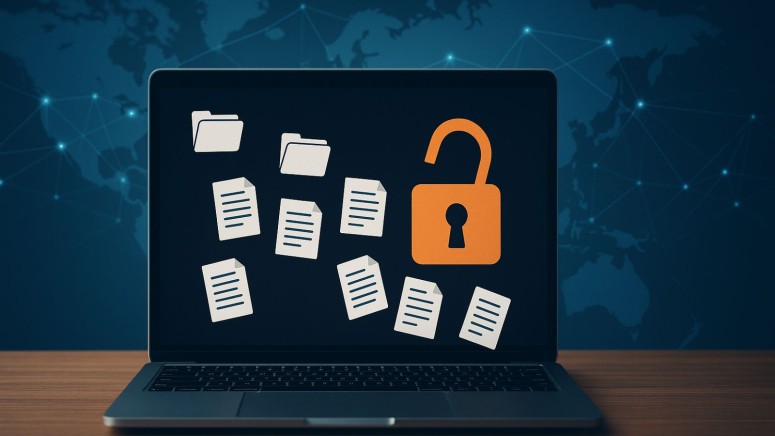
- Unsecured database: An unsecured database, reportedly belonging to the billing platform Invoicely, was found to be exposed.
- PII leaked: The database contained nearly 180,000 files, including personally identifiable information such as names, addresses, tax IDs, and phone numbers.
- Significant risk: The exposed data places affected individuals at a high risk of identity theft, financial fraud, and targeted spear-phishing campaigns.
An unsecured database allegedly connected to the global billing and accounting platform Invoicely exposed approximately 180,000 files related to a global user base, encompassing service providers, partners, employees, and customers.
Nature of the Personally Identifiable Information Leak
According to Website Planet, the compromised files found in various formats, such as XLSX, CSV, and PDF documents, contain a wide range of personally identifiable information (PII), including:
- names
- physical addresses
- phone numbers
- tax ID numbers
This type of comprehensive data set is particularly valuable to malicious actors, as it provides a complete profile of an individual that can be readily exploited.
This data breach represents a critical lapse in data protection protocols, leaving a substantial volume of sensitive information vulnerable to unauthorized access.
Amplified Cybersecurity Risks for Affected Parties
The exposure of this specific combination of personal and financial data presents severe cybersecurity risks. Cybercriminals can leverage this information to orchestrate sophisticated attacks, including identity theft, financial fraud, and highly targeted spear-phishing campaigns.
By possessing details like names, addresses, and financial identifiers, malicious actors can impersonate individuals with a high degree of credibility, potentially leading to unauthorized financial transactions or compromised personal accounts.
The incident highlights the crucial importance of robust database security and access control measures for platforms that handle sensitive user information.
In other news, a recent Rainwalk Technology data breach exposed pet insurance customer PII, with clients already receiving scam emails. Last month, an unsecured cloud server exposed 273,000 PDF documents containing sensitive bank transfer details of Indian customers.
Related





Get expert insights on threats, breaches, scams, and security trends — delivered every Monday.
Most Popular


Get expert insights on threats, breaches, scams, and security trends — delivered every Monday.
Most Popular