


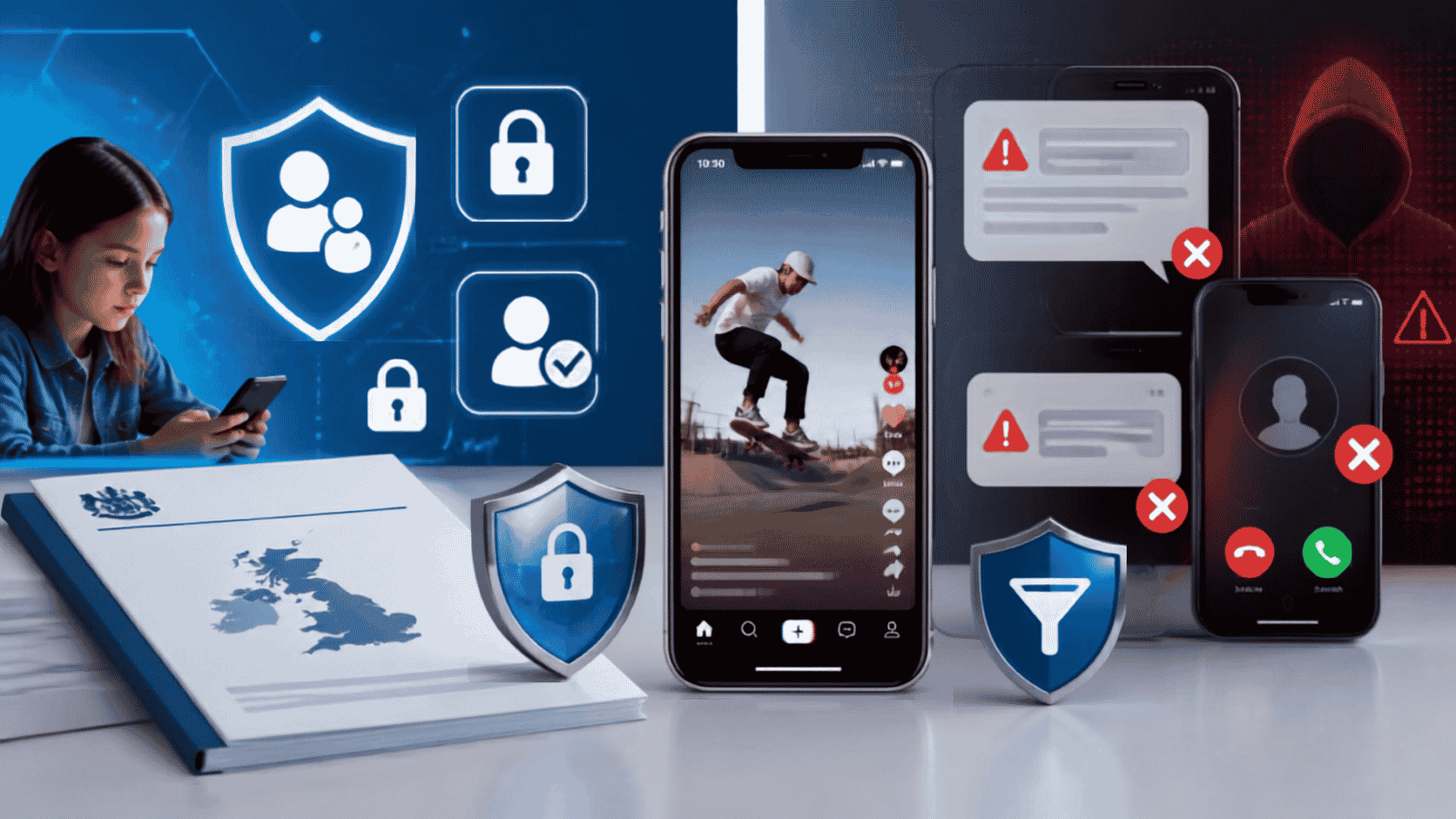
Survey Finds UK Parents Fear Online Strangers More Than Children Using VPNs
Published

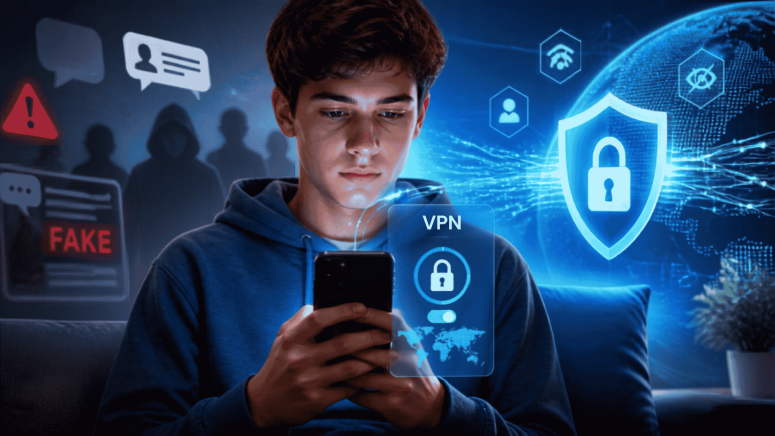
Key Takeaways
- Findings: UK children VPN use remains limited, with only 14% reporting usage during the past year.
- Concerns: Parents prioritize stranger contact, misinformation, and cyberbullying over VPN-related risks.
- Privacy: Survey shows most young VPN users cite privacy protection rather than bypassing restrictions.
A new survey commissioned by the VPN Trust Initiative (VTI) has found that UK parents are far more concerned about online risks such as stranger contact, misinformation, excessive screen time, and cyberbullying than children using VPNs to bypass online restrictions.
The research, conducted by YouGov and published on July 16, 2026, found that only 10% of surveyed parents listed VPN use for accessing inappropriate content as a major concern. By comparison, 65% identified contact from strangers as one of their leading worries.
The survey also found that VPN use among children remains limited. Around 14% of UK children aged 11 to 17 said they had used a VPN during the previous 12 months, while only about 1.4% of all children surveyed said they used a VPN to access content intended for older users.
The findings come as VPN services continue to be discussed in debates around child online safety, age verification, and access restrictions.
VPN use remains a minority activity among UK children
The YouGov research surveyed 2,558 UK children aged 11 to 17, along with a parent or guardian for each child. According to the results, VPN usage is significantly lower than other common online activities.
During the previous year, 90% of children surveyed said they watched videos online, 83% messaged friends, 76% played online games, and 72% used social media. In comparison, only 14% reported using a VPN.
VPN use increased among older children. Seven percent of 11- to 12-year-olds said they had used one, compared with 14% of children aged 13 to 15 and 23% of those aged 16 to 17.
Even among children who used VPNs, regular use was limited. Less than half said they used a VPN at least once a week, which represents around 7% of the total group surveyed.
The research was commissioned by the VPN Trust Initiative, an industry group co-founded by ExpressVPN, and carried out by YouGov. The survey results were published by ExpressVPN as part of its research into children’s online safety habits.
Privacy is the main reason children use VPNs
The survey suggests that children often use VPNs for privacy-related reasons rather than to avoid age restrictions.
Among young VPN users, 39% said they used a VPN to protect their identity or location online. The same percentage said they wanted to keep personal information private, while 31% said VPNs helped them feel safer when using public Wi-Fi.
Overall, 61% of children who used VPNs selected at least one privacy-related reason.
Privacy concerns were also common among children who did not use VPNs. More than half of all surveyed children, 56%, said they were worried about their online privacy.
The research highlights a distinction between using privacy tools and attempting to bypass safety measures. While some children may use VPNs to avoid restrictions, the survey indicates that many use them for similar reasons adults do, such as protecting personal information and securing connections.
Parents focus on broader online threats, survey finds
Parents reported several concerns that ranked higher than VPN use. Stranger contact was the most common concern, selected by 65% of parents. Other major concerns included misinformation or fake news (57%), excessive screen time (55%), cyberbullying (50%), and scams or financial fraud (30%).
Only 10% of parents selected VPN use to access inappropriate content as a key concern.
The survey also found that VPN use is not always hidden from families. Among children who had used a VPN, 65% said they had discussed VPNs with a parent or carer. Forty percent said they first learned about VPNs from a parent, guardian, or family member, while 32% said a parent helped set up their VPN.
When asked specifically about accessing older-rated content, 10% of children who used a VPN selected that as a reason. Since VPN users represented 14% of all children surveyed, this equals roughly 1.4% of the total sample.
ExpressVPN noted that separate research from Ofcom produced an estimate of around 3%, although the studies used different samples and methods.
Free VPN apps are most common among young users
The survey also examined which types of VPN services children use. More than half of young VPN users (55%) said they mainly used a free VPN application.
Around 27% used a paid VPN subscription, while smaller groups used VPN features built into their devices or services provided by schools. Among children using paid VPNs, 87% said a parent or carer paid for the subscription.
Installation methods varied. Thirty-two percent said a parent installed their VPN, while 26% downloaded one themselves from an app store and 23% downloaded one from a website.
The findings do not suggest that every VPN service provides the same level of privacy protection. VPN users should consider factors such as the provider’s ownership, data collection practices, permissions requested by apps, and privacy policies when choosing a service.
The survey also examined parental controls and found that their use declines as children get older. Sixty percent of parents of 11- to 12-year-olds said they had activated content filters on devices, compared with 40% for children aged 13 to 15 and 20% for those aged 16 to 17.
By ages 16 and 17, 52% of parents reported having no parental controls enabled.
What the findings mean for VPN and privacy users
The survey does not show that VPN use among children is widespread or that most young users are attempting to bypass safety systems. Instead, it shows that privacy remains a major reason children choose VPNs, while parents are more focused on risks involving strangers, harmful content, and online behavior.
For families, the research suggests that understanding why a child uses a VPN may be more useful than treating VPN usage itself as a warning sign. Parents can review privacy settings, discuss installed apps, and understand what tools their children are using.
No immediate action is required for VPN users based on this research. The findings represent survey data rather than a security alert or software issue.
The research reinforces a broader privacy debate: protecting children online requires addressing specific harms without treating privacy tools themselves as harmful. The results suggest that policymakers and platforms may need to focus more on direct risks such as harmful contact, misinformation, and cyberbullying rather than assuming VPN use is the primary issue.
Related




Get expert insights on threats, breaches, scams, and security trends — delivered every Monday.
Most Popular



Get expert insights on threats, breaches, scams, and security trends — delivered every Monday.
Most Popular