



UK Government Finds Thousands of Children Turning to VPNs for Restricted Content
Published

Key Takeaways
- UK children VPN usage: UK government survey found 22% of children recently used VPNs to bypass online age checks.
- Policy implications: Findings will inform future UK online safety policies without announcing new regulations.
- Parental involvement: Many children accessed VPNs with parental help or through subscriptions paid by guardians.
A new UK government survey has found that a significant number of children are using virtual private networks (VPNs), with many doing so to bypass online age verification systems introduced on digital platforms.
The findings, published by the UK government, show that 22% of children reported using a VPN during the previous three months, while 26% said they had used one at some point. The research was released as governments and online platforms continue expanding mandatory age-check requirements.
VPN awareness and usage among children
According to the survey, 58% of children said they were familiar with VPNs and understood their purpose. Among those who had used a VPN, privacy was the most commonly reported reason, although some children also used the tools to access content restricted by location or age.
The government reported that location-changing services were most frequently used to reach gaming and adult content, followed by livestreaming platforms and messaging applications.
The research also found that parents play a role in some cases. Among children who had used a VPN, 22% said a parent had helped them obtain one, while 43% reported that a parent or guardian paid for the service.
Age verification and online access
The survey found that many children continue seeking platforms without mandatory age verification. Online games and gaming communities were identified as the most common category of services lacking age checks, with 53% of those platforms reportedly not requiring age verification.
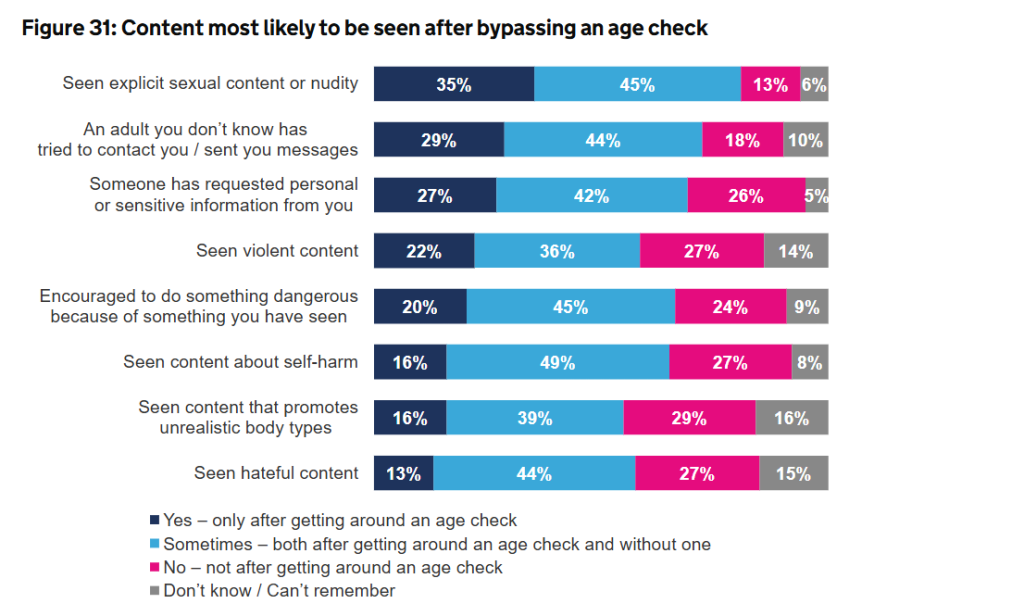
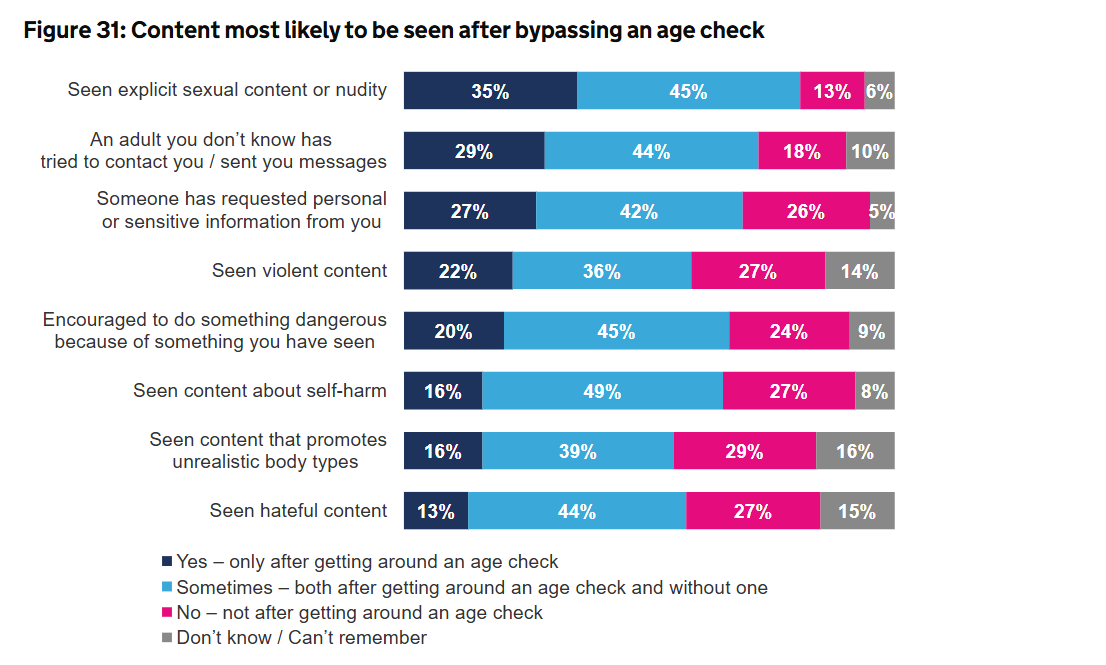
In addition to examining circumvention methods, the report explored children's online experiences. More than half of respondents (53%) said they had encountered at least one form of harmful online exposure during the previous three months. The most frequently reported exposure involved sexually explicit content, followed by interactions with adults online and violent content.
Government confirms findings will support future policy
The data comes from the UK government's official report on children's online circumvention behaviors. The government said the findings will be used to inform future policy development related to children's access to online services and methods used to bypass safety measures.
While the report documents current VPN usage and age-check avoidance, it does not announce any new regulations or restrictions. Instead, it provides evidence intended to support future policymaking as the UK continues evaluating the effectiveness of online child safety measures.
The survey highlights how children are adapting to age verification systems and documents the growing role of VPNs in accessing restricted online content, providing policymakers with new data as they consider the next steps for online safety regulations.
Related



Get expert insights on threats, breaches, scams, and security trends — delivered every Monday.
Most Popular




Get expert insights on threats, breaches, scams, and security trends — delivered every Monday.
Most Popular