


Proton VPN Adds Baybayin Support to Windows App, Marks Philippine Independence Day With Cultural Update
Published on June 11, 2026

Key Takeaways
- Proton VPN Baybayin Support: Proton VPN adds Baybayin script to Windows app for Philippine Independence Day celebrations.
- Philippines User Milestone: Company says it has been the most popular VPN in Philippines since 2025.
- Privacy and Accessibility: Proton highlights no-logs policy, free VPN access, and support across 37 languages.
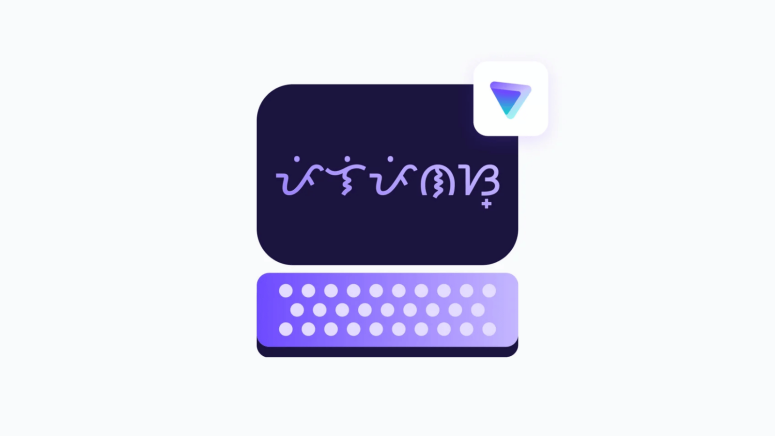
Proton VPN has announced support for Baybayin, a traditional pre-colonial writing system of the Philippines, in its Windows application. The update coincides with the country's 128th Independence Day celebration on June 12 and is aimed at recognizing Proton VPN's large Filipino user base.
According to the company, the addition makes Proton VPN the first major VPN service to offer Baybayin as a selectable script within its app.
Baybayin Arrives in Proton VPN's Windows App
Baybayin was widely used across the Philippine archipelago before Spanish colonization in the 16th century. Over time, it was largely replaced by the Latin alphabet. In recent years, however, the script has experienced renewed interest and has become an important symbol of Filipino cultural heritage.
Today, Baybayin can be found on official documents and national symbols, including Philippine banknotes and passports. It is also taught in schools and continues to hold cultural significance, even among Filipinos who do not actively read or write it.
As part of the update, Windows users can now choose Baybayin as a display script within the Proton VPN application.
Why Proton Chose the 128th Independence Anniversary
While major anniversary celebrations are often associated with milestone years such as the 50th, 100th, or 200th anniversary, Proton VPN said the number 128 held a different significance for the company.
As a technology-focused organization, Proton noted that 128 is equal to 2⁷, a number closely associated with binary computing. The company said this connection made the occasion especially fitting for the announcement.
The update also comes as Proton VPN highlights its growing presence in the Philippines. The company stated that it has been the country's most popular VPN service since July 2025.
Growing Demand for Privacy and Connectivity
The Philippines is known for having one of the world's most active online populations, with internet users spending significant amounts of time online. Proton VPN said this has contributed to the increasing use of VPN services among Filipinos seeking greater privacy and security.
VPNs help protect internet traffic by encrypting online connections, preventing internet service providers from monitoring browsing activity. Websites visited through a VPN see the VPN server's IP address rather than the user's actual IP address.
Proton VPN also pointed to its Swiss headquarters and no-logs policy as key privacy features. The company additionally offers NetShield Ad-blocker, a built-in DNS filtering tool designed to block advertisements, trackers, and malicious websites.
For Filipinos living abroad, VPN services can also help maintain access to content and services from home. Proton noted that more than 10 million Filipinos live and work overseas, creating demand for tools that allow users to connect to Philippine-based online content, including local news, entertainment, sports, and other region-specific services.
Expanding Language and Global Accessibility Efforts
Proton said the Baybayin update reflects its broader goal of making digital privacy tools accessible to users worldwide. The company currently operates servers in more than 148 countries and offers applications in 37 languages.
Alongside widely spoken languages, Proton VPN also supports languages such as Albanian, Catalan, Icelandic, Thai, Ukrainian, and Vietnamese.
The company emphasized that it continues to provide a free VPN service as part of its effort to make online privacy more accessible.
Developed by the team behind Proton Mail, Proton VPN is headquartered in Geneva, Switzerland, and is operated by the Proton Foundation. The service offers open-source applications that have undergone independent audits and maintains a no-logs policy that has also been independently verified.
Proton said its free plan is funded by users who choose to subscribe to paid plans for additional features. The company reiterated that it does not sell user data, display advertisements, or log users' browsing activities.
The Baybayin addition, Proton said, is intended as a gesture of appreciation to the millions of Filipino users who rely on the service for online privacy and security.
Related



Get expert insights on threats, breaches, scams, and security trends — delivered every Monday.
Most Popular






Get expert insights on threats, breaches, scams, and security trends — delivered every Monday.
Most Popular