



Japan Considers New Social Media Age Checks for Children, but Public Support Remains Limited
Published on June 4, 2026

Key Takeaways
- Japan social media age restrictions: Government proposes stronger age verification without imposing a blanket under-16 social media ban.
- Platform-specific approach: Different social media platforms could face separate age limits and verification requirements.
- Mixed public support: Japanese backing for under-16 social media bans remains lower than many countries.
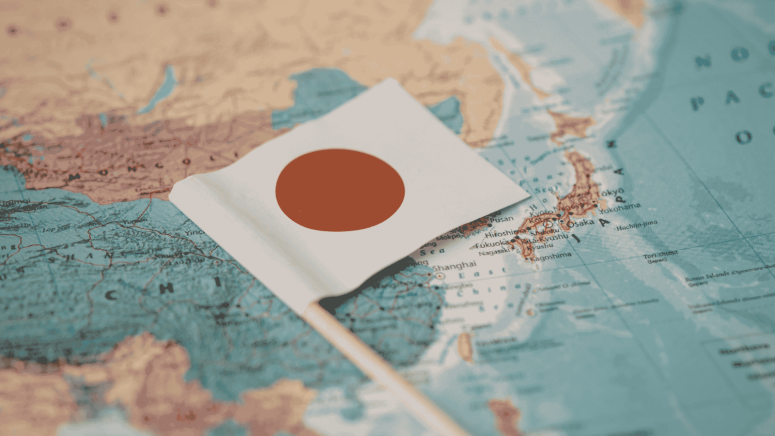
Japan is moving closer to introducing stricter safeguards for children on social media, with government officials proposing new measures aimed at reducing excessive use among young users.
The proposal, released by a panel of experts under Japan's Ministry of Internal Affairs and Communications on June 2, focuses on strengthening age verification systems rather than imposing a blanket social media ban. The recommendations are still in draft form and are expected to be finalized during the summer of 2026 after a public consultation process.
Japan Favors Platform-Specific Restrictions Over a Blanket Ban
Unlike countries that have introduced broad restrictions for minors, Japan is not proposing a single age limit across all social media services. Instead, the expert panel suggests that age requirements could vary from one platform to another, reflecting differences in how individual services operate and are used.
According to the draft recommendations, the government would work with social media companies, mobile carriers, and other stakeholders to develop practical age verification methods using available technologies and systems.
Officials noted that a universal age restriction would be difficult to implement because social media platforms serve different purposes and have become a major communication tool for many people. Under such an approach, platforms such as TikTok and Instagram could potentially be subject to different age requirements.
The proposal also places greater responsibility on social media companies. If adopted, providers would be required to assess risks associated with their services and introduce stronger identity verification measures. At present, age verification on many platforms in Japan relies largely on self-reported information, making it relatively easy for underage users to bypass restrictions.
One option being considered involves using age-related information already held by mobile network operators to improve verification processes.
The recommendations are not yet law. Following the public comment period, other government ministries will be able to propose revisions, additions, or alternative approaches before any final decisions are made.
Japan's current measures are comparatively limited, focusing mainly on parental monitoring tools and mobile carrier filters designed to block harmful websites.
Social Media Restrictions Continue to Expand Worldwide
Japan joins a growing list of countries examining the impact of social media on children and teenagers.
Australia, Malaysia, and Indonesia have already introduced social media bans for users under 16. France, Greece, and Denmark have also announced age-based restrictions, although implementation timelines differ across countries.
The issue has gained international attention amid concerns that social media notifications, recommendation systems, and short-form content may contribute to excessive usage among young people.
At the end of May, digital ministers from G7 countries agreed on a set of common principles aimed at improving online child safety.
The United States has seen less legislative movement on age restrictions, but concerns about platform design continue to grow. In March 2026, a Los Angeles court ruled that Google and Meta had intentionally developed addictive platform features, a decision many observers described as a landmark case.
In the United Kingdom, Prime Minister Keir Starmer stated in May 2026 that the government would take "decisive" action regarding social media's impact on children, although specific measures have not yet been announced.
Enforcement remains a major challenge for countries adopting age-based restrictions. Virtual private networks (VPNs) can allow users to bypass location-based controls by masking their actual location. Australia addressed this issue by requiring social media platforms to block underage users attempting to access services through VPNs.
Japan's proposed framework appears less restrictive, potentially reflecting concerns that a complete ban could create unintended consequences for young people who use social media for communication and social interaction.
Public Opinion in Japan Is Mixed
Support for a social media ban among Japanese citizens appears lower than in many other countries.
A Family First report published before the latest proposals found that 38% of Japanese parents supported banning social media for children under 16. Among Gen Z respondents, support was even lower at 28%.
The figures contrast sharply with countries such as Malaysia and India, where the same study found support levels reaching 77% among parents in Malaysia and 73% among Gen Z respondents in India.
Questions also remain about whether age-based restrictions effectively improve children's well-being. In 2024, Amnesty International urged Australian lawmakers to focus on regulating social media platforms rather than restricting access, arguing that stronger oversight could offer better protection for young users than outright bans.
Meanwhile, research published by the Molly Rose Foundation in April 2026 suggested that around 60% of Australian children were still able to access social media despite the country's under-16 ban.
With public support in Japan relatively limited, the government's decision to pursue stricter age verification instead of a complete ban may be aimed at balancing child safety concerns with the practical realities of social media use. Whether the final policy remains unchanged will become clearer once the consultation and review process concludes later this year.
Related






Get expert insights on threats, breaches, scams, and security trends — delivered every Monday.
Most Popular






Get expert insights on threats, breaches, scams, and security trends — delivered every Monday.
Most Popular