


Wisconsin Lawmakers Remove Controversial VPN Blocking Provision From Senate Bill 130 After Public Backlash
Published on February 23, 2026

Key Takeaways
- VPN ban provision removed: VPN ban provision removed from Wisconsin Senate Bill 130 after widespread public privacy backlash opposition
- Age verification rules remain: Senate Bill 130 still mandates identity checks, raising concerns about surveillance and data breach risks
- Public pressure influenced decision: Lawmakers reversed restriction following criticism from cybersecurity experts, privacy advocates, and Wisconsin residents statewide strongly
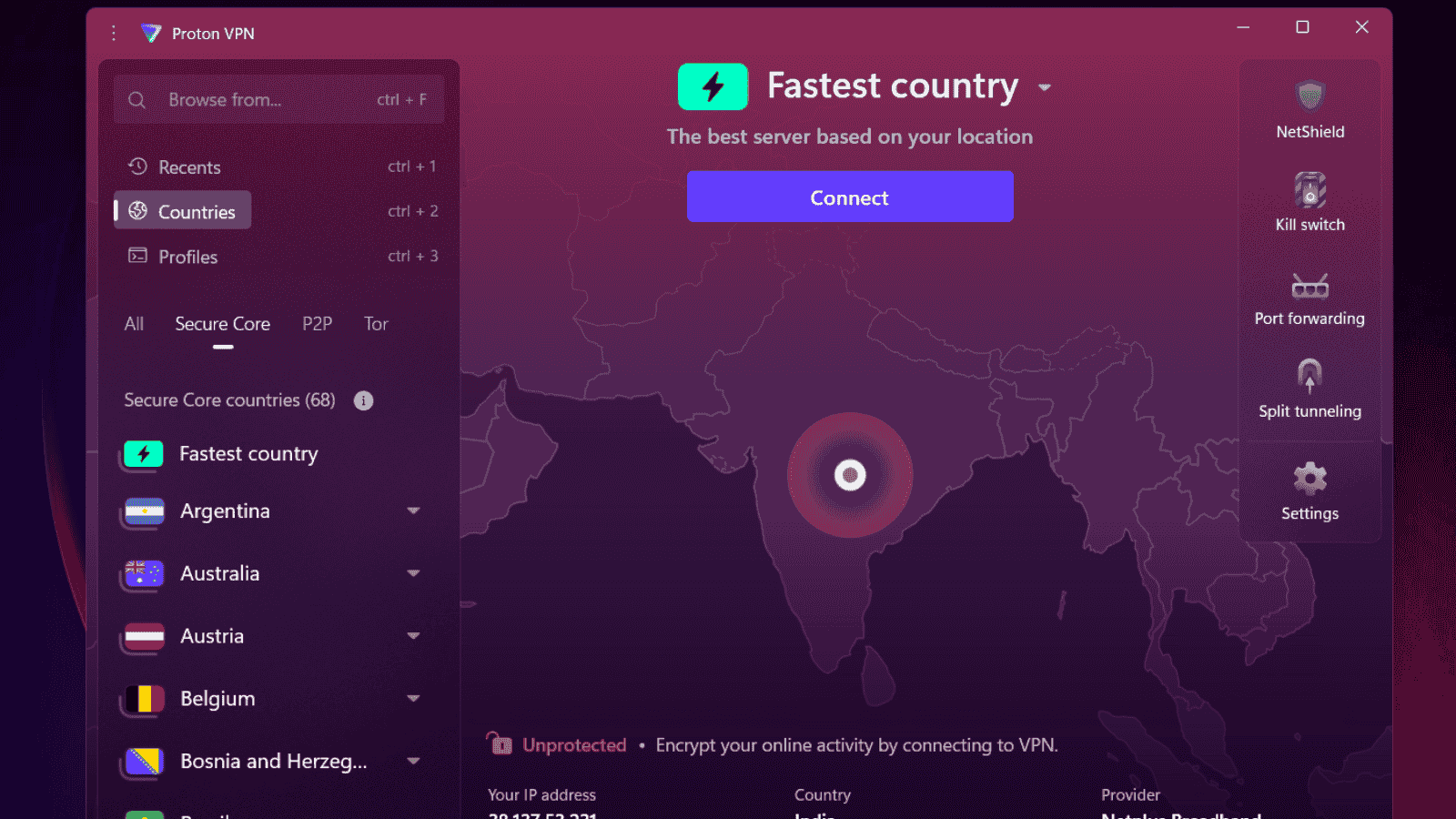
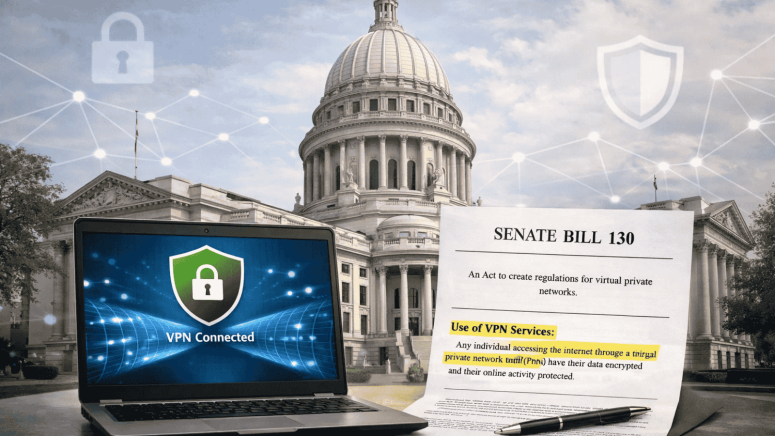
In a move seen as a major development for digital privacy, lawmakers in Wisconsin have removed a controversial provision from Senate Bill 130 that would have restricted access to websites through virtual private networks (VPNs). The decision follows widespread criticism from residents, cybersecurity professionals, and digital rights organizations who argued that the measure could weaken online privacy and security.
The proposal had originally aimed to strengthen age verification rules for adult websites. However, critics warned that blocking VPN access could affect millions of legitimate users and potentially influence similar legislation across the United States.
Proposed VPN Restrictions Raised Privacy and Security Concerns
The removed provision would have required age-restricted websites to block IP addresses linked to VPN services. Lawmakers believed this would prevent minors from bypassing age verification by masking their real location.
Cybersecurity experts also noted technical and practical limitations. Websites would have needed to constantly track and block VPN IP addresses, which change frequently and are difficult to monitor accurately. Experts warned that such requirements could be ineffective and disruptive.
The National Institute of Standards and Technology has previously recommended VPNs as an important security tool for protecting sensitive information, especially on unsecured networks.
Digital Rights Groups Warned of Broader Risks
Privacy advocates argued that restricting VPN access could expose users to surveillance, hacking, and data theft. Organizations such as the Electronic Frontier Foundation have long supported VPN use as a key privacy protection measure.
VPNs encrypt internet traffic, making it harder for internet service providers, hackers, or other parties to monitor online activity. This protection is especially important for journalists, activists, and individuals facing personal safety risks.
Experts also warned that such legislation could set a precedent for other states, potentially creating fragmented internet access rules across the country.
Senate Bill 130 Still Includes Age Verification Requirements
Although lawmakers removed the VPN-blocking provision, Senate Bill 130 still includes mandatory age verification measures for accessing certain websites.
Privacy experts remain concerned about these requirements, as they often involve submitting government-issued identification or biometric data. This can result in the creation of centralized databases containing sensitive personal information.
Public Response Played a Key Role in the Decision
The removal of the VPN restriction came after strong public opposition. Residents, cybersecurity professionals, and digital rights advocates submitted thousands of comments warning about the potential consequences of the proposal.
Groups including the American Civil Liberties Union encouraged public engagement and urged lawmakers to reconsider the measure. Technical experts also provided testimony explaining the risks and limitations of blocking VPN access.
This coordinated response ultimately led lawmakers to remove the controversial provision before advancing the bill.
VPN Use Remains Legal, But Debate Continues
With the provision removed, VPN services remain legal and accessible in Wisconsin. The decision confirms that VPNs continue to be recognized as legitimate tools for privacy and online security.
However, privacy advocates say similar proposals in other states highlight the need for continued public awareness and participation in digital policy discussions.
What This Means for Users
The outcome reinforces the importance of VPNs as widely accepted security tools. These services help encrypt internet connections, protect sensitive data, and reduce tracking risks.
At the same time, ongoing legislative efforts related to age verification and online access may continue to raise privacy questions. Experts encourage users to stay informed about digital privacy laws and understand how such policies may affect their online rights and security.
Related


Get expert insights on threats, breaches, scams, and security trends — delivered every Monday.
Most Popular




Get expert insights on threats, breaches, scams, and security trends — delivered every Monday.
Most Popular