



IPVanish Publishes Q2 2026 Transparency Report, Reports Zero User Data Shared
Published

Key Takeaways
- IPVanish Q2 2026 Transparency Report: IPVanish published its Q2 2026 Transparency Report, reaffirming its no-logs policy and privacy commitments.
- Quarterly request summary: The report details legal requests, DMCA notices, malicious activity reports, and zero National Security Letters.
- No user data disclosed: IPVanish says independently verified no-logs practices prevented sharing identifiable user information in every request.
IPVanish has released its Q2 2026 Transparency Report, outlining how it handled legal requests, copyright notices, and abuse reports during the quarter while reaffirming that it did not disclose any user data. The report was published on July 7, 2026, through the company's official blog and Trust Center as part of its ongoing quarterly transparency updates.
According to IPVanish, the report reflects its independently verified no-logs policy, meaning the VPN provider does not retain users' online activity or connection logs that could be handed over in response to requests.
Key Highlights
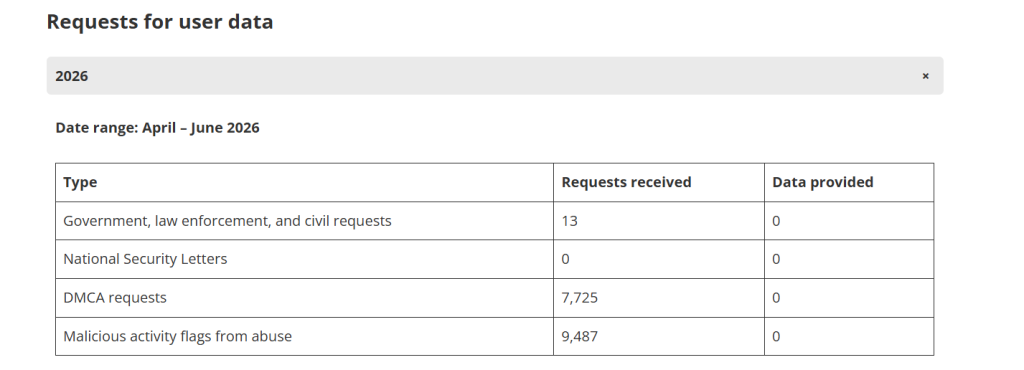
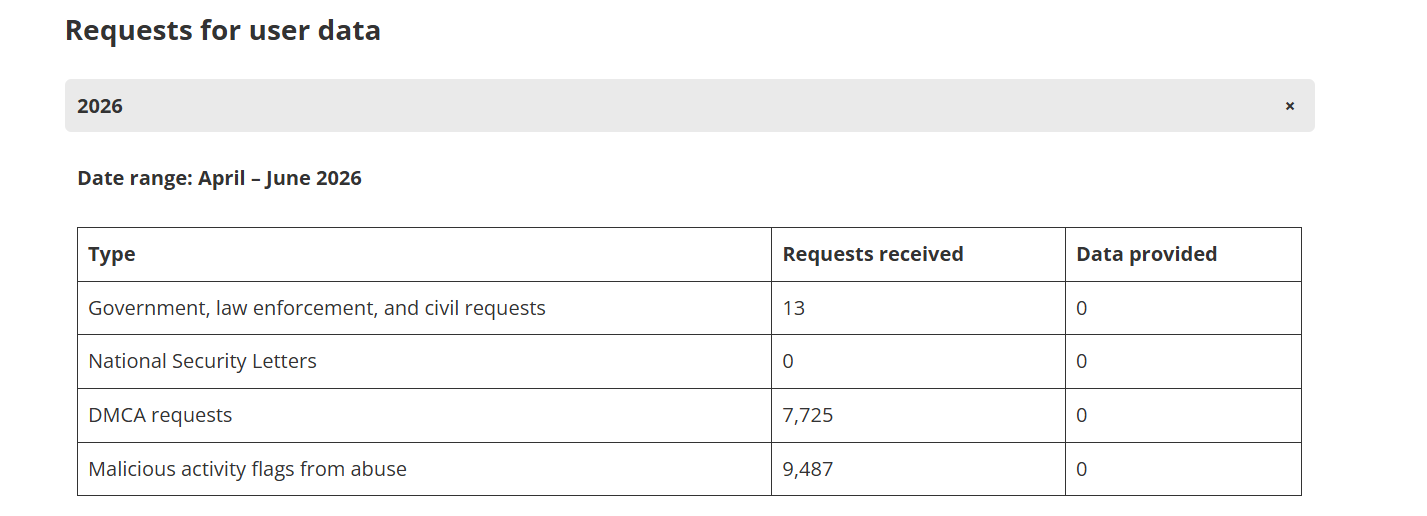
- IPVanish received 13 requests from government, law enforcement, and civil entities during Q2 2026.
- The company processed 7,725 DMCA notices and 9,487 malicious activity reports without sharing identifiable user information.
- IPVanish reported receiving no National Security Letters during the quarter.
IPVanish Q2 2026 Transparency Report Details - User Data Requests
The latest transparency report provides a quarterly overview of the requests IPVanish receives related to its VPN service.
For the second quarter of 2026, the company says it handled:
- 13 legal requests originating from government, law enforcement, and civil entities.
- 7,725 DMCA (Digital Millennium Copyright Act) notices, which relate to copyright infringement claims.
- 9,487 malicious activity reports, covering suspected abuse or harmful activity on its network.
- Zero National Security Letters during the reporting period.
According to IPVanish, none of these requests resulted in the disclosure of user activity data because its independently audited no-logs policy means such information is not stored. The company says its privacy practices have been verified through multiple independent third-party audits; however, it is equally important to note that the last audit it did was in 2025. So far in 2026, there have been no new independent audits.
Trust Center Continues to Serve as Privacy Information Hub
Alongside the quarterly report, IPVanish says its Trust Center continues to provide information about the company's privacy practices and security initiatives.
The Trust Center includes access to independent no-logs audit reports, information about IPVanish's participation as a founding member of the VPN Trust Initiative, and details about additional privacy-focused projects. These include the company's Link Checker tool, its Emergency VPN program, and ongoing investments in infrastructure, encryption, and other privacy features.
The company also says the Transparency Report explains how it handles legal requests, copyright notices, and malicious activity reports while providing users with greater visibility into its data-handling practices.
Why the Report Matters for VPN Users
Transparency reports give VPN users insight into how providers respond to requests for user information. In IPVanish's case, the company says its no-logs policy prevents it from storing online activity or connection data in the first place, meaning it has no user data to provide when such requests are received.
IPVanish states that it intends to continue publishing these reports every quarter to keep users informed about its privacy practices and data-handling procedures. The information in the Q2 2026 report comes directly from the company's official Transparency Report and Trust Center, making it a verified update from the VPN provider.
Existing IPVanish users do not need to take any action. The report is informational and is available for anyone who wants to review the company's latest transparency disclosures and privacy commitments.
Related




Get expert insights on threats, breaches, scams, and security trends — delivered every Monday.
Most Popular



Get expert insights on threats, breaches, scams, and security trends — delivered every Monday.
Most Popular