


Musashino University Confirms Ransomware Attack, Qilin Claims Theft
Published

Key Takeaways
- Infection Timeline: Musashino University's systems were infected with ransomware shortly after 8:30 p.m. on June 15, 2026, with staff discovering it on June 16.
- No Demands Yet: The university said that as of June 30, there are no ransom demands or confirmed data leaks.
- Qilin Claims Theft: The Qilin hacker group claimed on the dark web to have stolen Musashino University data.
Musashino University has confirmed that its internal systems were infected with ransomware in mid-June. The institution, located in Koto Ward, Tokyo, reported that the compromise struck its systems shortly after 8:30 p.m. on June 15, 2026.
Musashino University Detects Ransomware Infection
According to Musashino University, an employee arriving for work on the morning of June 16 became aware of the ransomware infection, and the intrusion hit its internal systems the previous evening.
Reports say Qilin claims to have stolen data from Musashino University and posted alleged proof on the dark web.
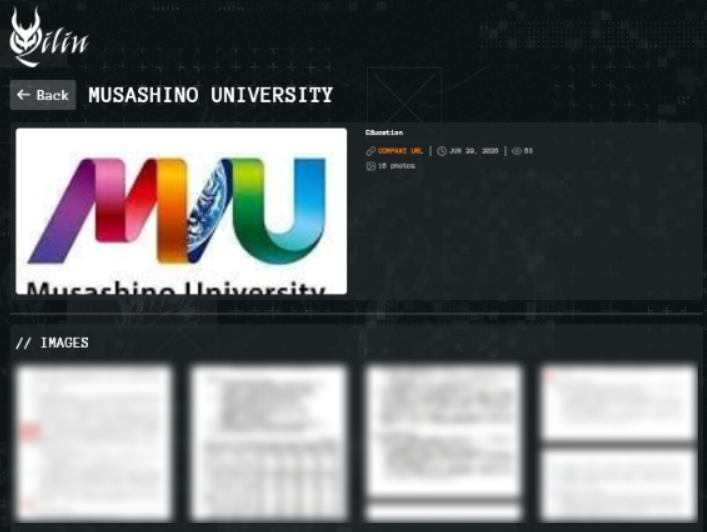
As of June 30, the university stated that it had received no ransom demands and had announced no data leaks. The Japanese university has not mentioned details on the scope of data that was stolen.
University Restores Systems From Backups
Musashino University said it has already restored its systems using backup data, confirming there would be no disruption to classes or other school operations as a result of the incident. The institution also stated that it had never suffered a similar attack before this event.
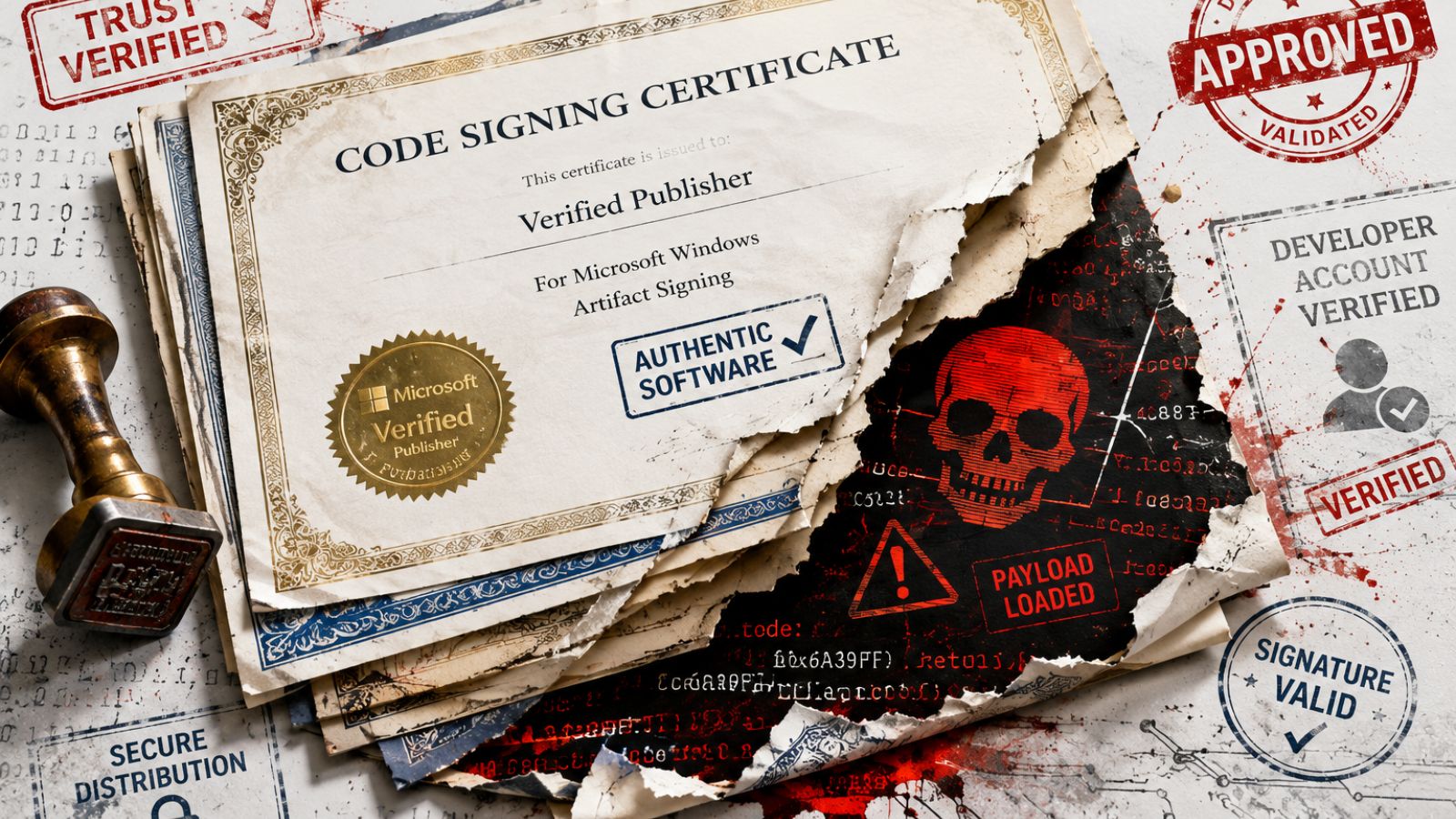
In May, Microsoft announced it had disrupted the Fox Tempest Malware-Signing-as-a-Service operation linked to Qilin, among others. In April, the threat actor claimed an attack on the German Democratic Socialist Party, Die Linke.
Earlier this year, several universities were involved in data breaches, including the University of Pennsylvania, La Sapienza University in Italy, and Harvard University.
Related



Get expert insights on threats, breaches, scams, and security trends — delivered every Monday.
Most Popular



Get expert insights on threats, breaches, scams, and security trends — delivered every Monday.
Most Popular