



UK Urged to Rethink Online Safety Law Over Fears of Privacy and Internet Restrictions
Published on May 6, 2026

Key Takeaways
- UK online safety law concerns: Coalition warns law may restrict internet access, impact privacy, and fail improving child safety
- Expanded government powers: Law allows limiting platforms, enforcing controls, and requiring anti-circumvention measures for online services
- Risks around age checks and VPNs: Experts highlight privacy risks, weak tech, and possible future VPN restrictions after consultation
A group of leading privacy advocates and tech organizations has raised concerns over the UK’s latest online safety law, warning that some of its measures could reshape how the internet works and affect users’ fundamental rights.
The appeal comes after the UK formally passed the Children’s Wellbeing and Schools Act, a law designed to improve children’s safety online but now facing criticism from parts of the tech and digital rights community.
Tech and Privacy Groups Push Back
A coalition of 19 organizations, including Proton, Mullvad VPN, ExpressVPN, Mozilla, Tor Project, and the Electronic Frontier Foundation, has published an open letter addressed to UK policymakers.
Their message is clear. Efforts to make the internet safer for children should not come at the cost of weakening the open web.
The group argues that current proposals rely heavily on restricting access to online platforms or features. In their view, such steps may not meaningfully improve safety for younger users and could instead limit how people access information, communicate, and use digital services globally.
They also highlight the broader role of the internet as a space for learning, creativity, and economic activity, and warn that heavy restrictions could affect these benefits.
What the New Law Actually Changes
The Children’s Wellbeing and Schools Act gives the UK government expanded powers to shape how minors interact with online services.
Authorities can now introduce rules that require internet providers to block or limit access to certain apps, platforms, or features for younger users. This could include controls around screen time, communication tools, or location-based functions.
Another key part of the law is the requirement for companies to put in place “reasonable anti-circumvention measures.” In simple terms, platforms must try to stop users from bypassing restrictions.
At the same time, the government has opened a nationwide consultation on online harms, which will run until late May 2026. One topic under discussion is whether tools like VPNs should face limits if they are seen as a way to get around safety checks.
Privacy and Age Verification Under Scrutiny
A major concern raised by critics is the possible expansion of age verification systems.
According to the coalition, current technologies used to confirm a user’s age are not reliable enough and often require collecting sensitive personal data. They warn that, in practice, these systems might not only apply to children but to all users trying to access certain services.
This raises concerns about data security and privacy, especially if large amounts of personal information need to be stored or processed.
There are also concerns that such requirements could give more control to major tech platforms, making it harder for smaller services to compete and changing how the internet operates at a structural level.
The Ongoing Debate Around VPNs
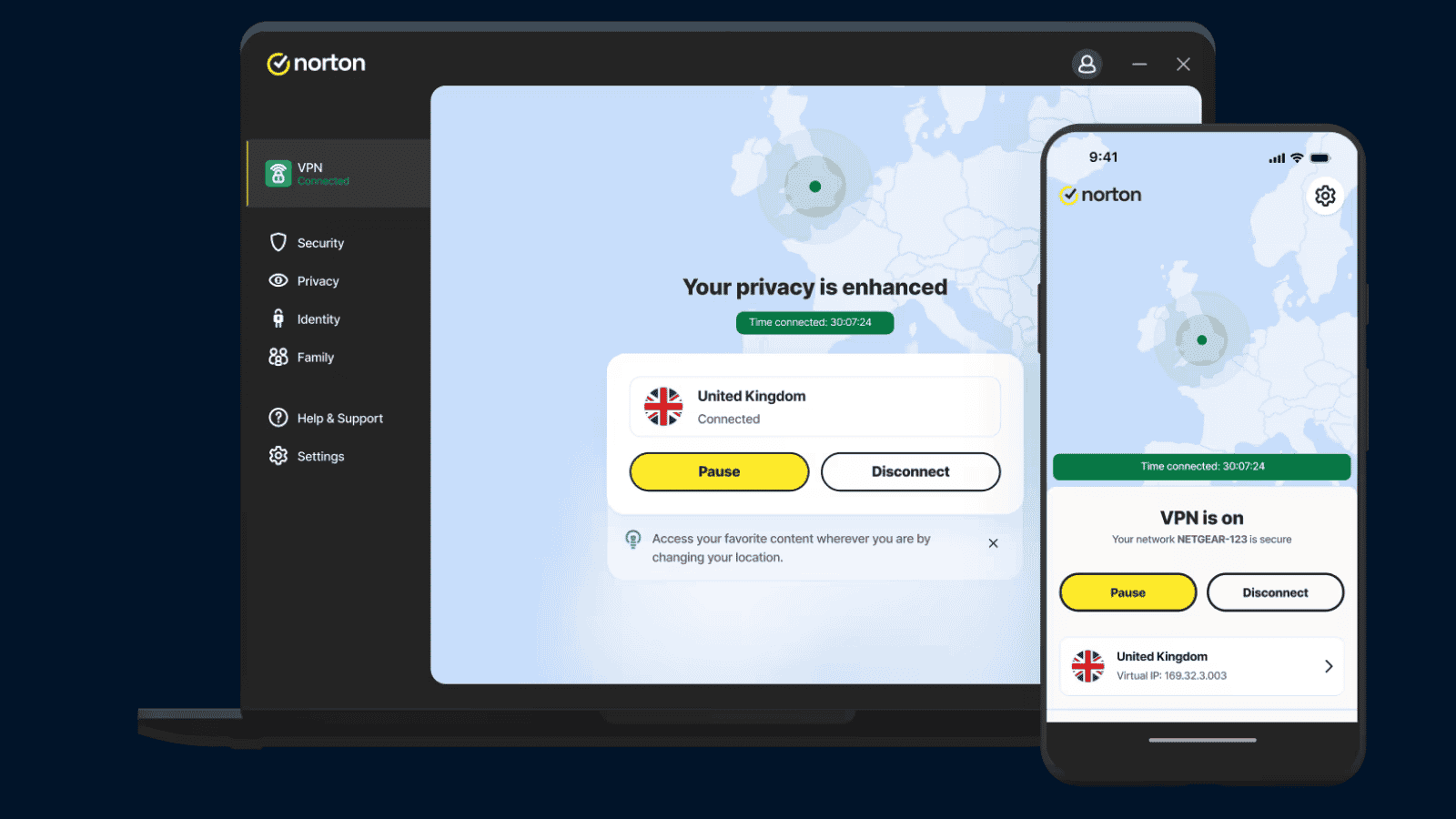
The discussion also touches on VPNs, often described by regulators as a “loophole” that allows users to bypass restrictions.
However, organizations like Mozilla argue that VPNs are widely used for legitimate reasons, including protecting personal data and improving online security. Limiting access to these tools, they say, could leave users more exposed rather than safer.
While the final version of the law does not include a direct ban on VPN use for minors, the requirement to prevent circumvention means further restrictions could still be introduced later, depending on the outcome of the consultation.
Calls for a Different Approach
Instead of focusing mainly on limiting access, the coalition is urging policymakers to address deeper issues within online platforms.
They point to business models that rely heavily on collecting user data and keeping people engaged for longer periods, suggesting that these systems can contribute to online risks.
In their view, improving safety should involve designing platforms with users’ rights and wellbeing in mind from the start, rather than adding layers of restriction afterward.
The group says it remains open to working with the UK government to find balanced solutions, ones that protect children online without changing the open nature of the internet or putting users’ rights at risk.
Related

Get expert insights on threats, breaches, scams, and security trends — delivered every Monday.
Most Popular






Get expert insights on threats, breaches, scams, and security trends — delivered every Monday.
Most Popular