



Russia’s Expanding VPN Restrictions Begin to Affect Core Digital Services
Published on April 29, 2026

Key Takeaways
- Russia VPN crackdown: Russia VPN crackdown disrupts banking ecommerce government services causing widespread outages and access issues nationwide
- Platform restrictions expand: Major companies block VPN users affecting marketplaces banking apps messaging services and platforms across regions
- Economic and technical effects: Filtering systems and outages cause billions in losses and unintended disruptions for regular internet users
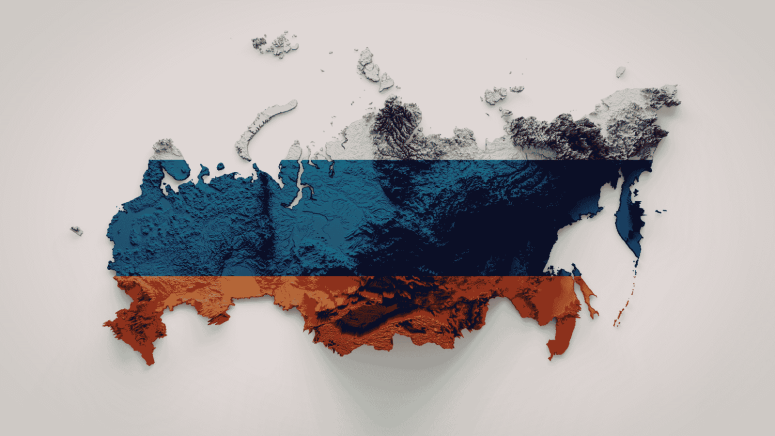
Russia’s tightening control over internet access is now affecting everyday digital services across the country. What started as a move to block virtual private networks is causing disruptions in banking, e-commerce, government platforms, and healthcare systems, according to reports published on April 28.
Key Services Face Disruptions
The impact has been especially visible in Novosibirsk. Residents reported issues accessing major banking services, including Sberbank. Mobile apps failed to open, ATMs stopped working, and card payments were declined.
Authorities have been limiting internet access through several measures. These include slowing mobile data, restricting apps like Telegram and WhatsApp, and allowing only approved websites to load through whitelist systems.
By mid-April, more than 20 major platforms began blocking users who had VPNs enabled. This affected marketplaces such as Wildberries and Ozon, where listings failed to load. Services from Yandex also saw disruptions across email, transport, and delivery tools.
Government platforms were also impacted. The public services portal Gosuslugi restricted VPN access, while healthcare systems like EMIAS experienced outages. In Novosibirsk, Telegram usage dropped sharply, with reports of near-total outages.
Economic and Technical Impact
Technical issues added to the situation. Testing of deep packet inspection systems caused widespread traffic slowdowns, while a fiber optic cable break in the region further affected connectivity. Experts say such filtering systems can mistakenly block normal internet traffic if it behaves like VPN data.
The financial impact is also growing. Businesses could lose up to RUB500 billion per month due to outages.
Growing Pressure on VPN Use
VPNs remain widely used in Russia to access blocked platforms such as Facebook, Instagram, YouTube, and X. While VPN use is not illegal, authorities have increased enforcement.
The regulator Roskomnadzor has blocked hundreds of VPN services and pushed for their removal from app stores. New laws also introduce fines for searching banned content through VPNs and for advertising such services.
The Ministry of Digital Development has instructed companies including VK, Avito, and X5 Group to restrict VPN access. Companies that fail to comply risk losing IT accreditation and related benefits.
Experts warn that these measures could lead to further service disruptions and higher costs for companies. Blocking VPN traffic at scale requires significant resources and may affect regular users unintentionally.
Related

Get expert insights on threats, breaches, scams, and security trends — delivered every Monday.
Most Popular






Get expert insights on threats, breaches, scams, and security trends — delivered every Monday.
Most Popular