



Sweden Thermal Plant Cyberattack Linked to Russian Threat Actors
Published on April 16, 2026

Key Takeaways
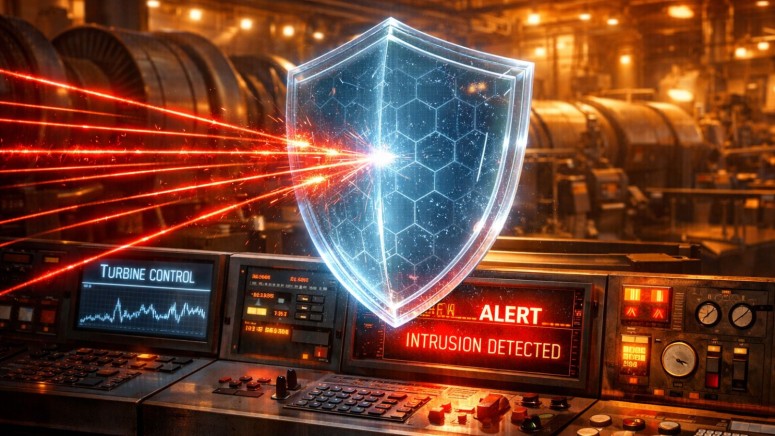
- Targeted infrastructure: Russian hackers attempted a highly disruptive network breach against a Swedish thermal power plant in early 2025.
- Security mechanisms: Built-in protective network protocols successfully neutralized the intrusion before critical operational technology could be compromised.
- Escalating threats: This incident highlights the growing energy sector threats and reckless cyber warfare tactics deployed against European states.
A recent Swedish thermal plant cyberattack attempt was orchestrated by state-linked Russian hackers, according to national civil defense authorities. The attack targeted a centralized thermal power facility in early 2025, Sweden’s Minister of Civil Defense Carl-Oskar Bohlin said on Wednesday in a press conference, cited by SVT.
The incident is signaling a dangerous operational shift toward destructive operational technology (OT) interference rather than conventional distributed denial-of-service (DDoS) disruptions, escalating concerns over the systemic resilience of European energy grids.
Thwarting the Intended Disruption
Government officials formally attributed the intrusion attempt to a pro-Russian hacktivist group. Fortunately, the unnamed targeted facility's built-in defense mechanisms and robust network segmentation successfully detected and blocked the unauthorized access, according to Bohlin.
While the immediate failure of this breach prevented potentially catastrophic public utility outages, the strategic intent underscores severe cybersecurity risks for national power grids. The incident reflects an aggressive transition from passive espionage to active sabotage attempts targeting vital civilian infrastructure.
“Pro-Russian groups that have previously carried out DoS attacks are attempting to carry out destructive cyberattacks against businesses in Europe,” the Minister of Civil Defense added, as per SVT.
This event aligns with a broader pattern of Russian hackers targeting critical infrastructure across Europe. Bohlin said Norway and Denmark have also been affected by similar events.
Russian Hackers and Critical Infrastructure
The definitive shift toward hybrid warfare tactics demands that enterprise network administrators continuously fortify their systems against highly sophisticated sabotage vectors. The U.K. National Cyber Security Center (NCSC) earlier this year published a guide for organizations to design, review, and secure connectivity to and within OT systems.
Recent history demonstrates severe energy sector threats ranging from compromised hydroelectric dams to municipal heating network shutdowns executed during freezing winter months.
A March analysis revealed that Poland’s cyberattacks surged in 2025, with suspected pro-Russian actors targeting critical infrastructure, and an employee of the Defense Ministry was detained on suspicion of spying for Russian and Belarusian Intelligence.
In February 2025, Russian NoName057(16) and Z-Pentest attacked sewage treatment plants in Poland, and the nation’s Space Agency was attacked the following month. In August the same year, Norway attributed a dam sabotage to Russian hackers.
Related





Get expert insights on threats, breaches, scams, and security trends — delivered every Monday.
Most Popular




Get expert insights on threats, breaches, scams, and security trends — delivered every Monday.
Most Popular