


hide.me VPN Introduces SSTP Support on Apple Platforms, Marking an Industry First
Published on March 10, 2026

Key Takeaways
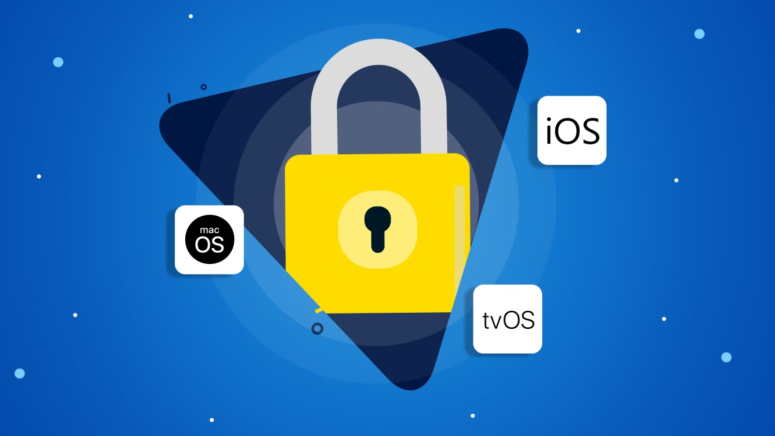
- hide.me VPN SSTP support launches on Apple devices: First VPN provider offering SSTP protocol across iOS, macOS, and tvOS platforms.
- Protocol designed for restrictive networks: Routes VPN traffic via HTTPS port 443, helping bypass VPN blocks in hotels, offices.
- Security and availability: Uses TLS 1.2/1.3 with AES-256 encryption; available to both free and premium hide.me users.
hide.me VPN has announced the addition of Secure Socket Tunneling Protocol (SSTP) support for Apple devices, becoming the first VPN provider to bring the protocol to iOS, macOS, and tvOS. According to the company, no other VPN service currently offers SSTP on Apple platforms.
The new feature is designed to give users another option for maintaining VPN connectivity in situations where commonly used protocols may be restricted or blocked.
What SSTP Is and Why It Matters
SSTP, or Secure Socket Tunneling Protocol, routes VPN traffic through HTTPS using port 443. This is the same port used by secure websites across the internet.
Because of this, VPN traffic using SSTP appears similar to regular encrypted web browsing. In many cases, this makes it more difficult for networks to identify or block VPN connections.
For everyday use, protocols such as WireGuard or IKEv2 generally provide strong performance and security. However, in certain environments, such as restrictive corporate networks, hotel Wi-Fi systems, or regions with strict internet filtering, these protocols may be blocked.
In such cases, SSTP can serve as a reliable alternative. Historically, the protocol has been mostly limited to Windows environments, and support for Apple platforms has not been widely implemented by VPN providers. hide.me says it developed its own implementation to extend SSTP compatibility to iOS, macOS, and tvOS.
Security and Implementation
SSTP was originally developed by Microsoft and is not fully open source at the protocol level. This has led some in the security community to approach it cautiously. However, the cryptographic technologies it relies on are widely used and well-established.
The protocol uses TLS 1.2 or TLS 1.3 for transport security and AES-256 encryption. These are the same standards used by online banking systems, e-commerce platforms, and most HTTPS connections on the web.
hide.me says it built the SSTP implementation for Apple platforms from scratch. The company has also made its server-side implementation open source, allowing security researchers and auditors to review how connections are handled.
The company notes that SSTP is not intended to replace other protocols entirely but rather to act as a specialized tool when traditional VPN protocols are blocked.
What Users Can Expect
With SSTP support now available on iOS, macOS, and tvOS, hide.me users gain several practical benefits:
- Improved connectivity on restrictive networks: SSTP can help maintain VPN access in environments where other protocols are filtered or blocked.
- Strong encryption standards: The protocol uses TLS 1.2/1.3 along with AES-256 encryption.
- Full IPv4 and IPv6 compatibility: hide.me’s implementation supports both network types.
- VPN protection on Apple TV: tvOS support allows users to secure their streaming devices using SSTP.
- A reliable fallback option: Users can switch to SSTP if protocols like WireGuard or IKEv2 fail to connect on certain networks.
hide.me also highlighted that native IPv6 support has long been part of its infrastructure, while many VPN providers choose to disable IPv6 rather than support it.
Background and Availability
hide.me noted that it conducted what it describes as the VPN industry’s first independent no-log audit in 2015. The company has also been publishing transparency reports since 2012.
SSTP support is available immediately across Apple platforms through the latest version of the hide.me VPN app. Users can enable the protocol by updating the app, opening Settings, selecting Protocol, and choosing SSTP.
The feature is available to both free and premium hide.me users.
While SSTP offers a useful workaround in restricted environments, hide.me recommends keeping WireGuard as the default protocol for everyday use due to its balance of speed and security. SSTP can then be used when a network blocks standard VPN connections.
Related



Get expert insights on threats, breaches, scams, and security trends — delivered every Monday.
Most Popular






Get expert insights on threats, breaches, scams, and security trends — delivered every Monday.
Most Popular