


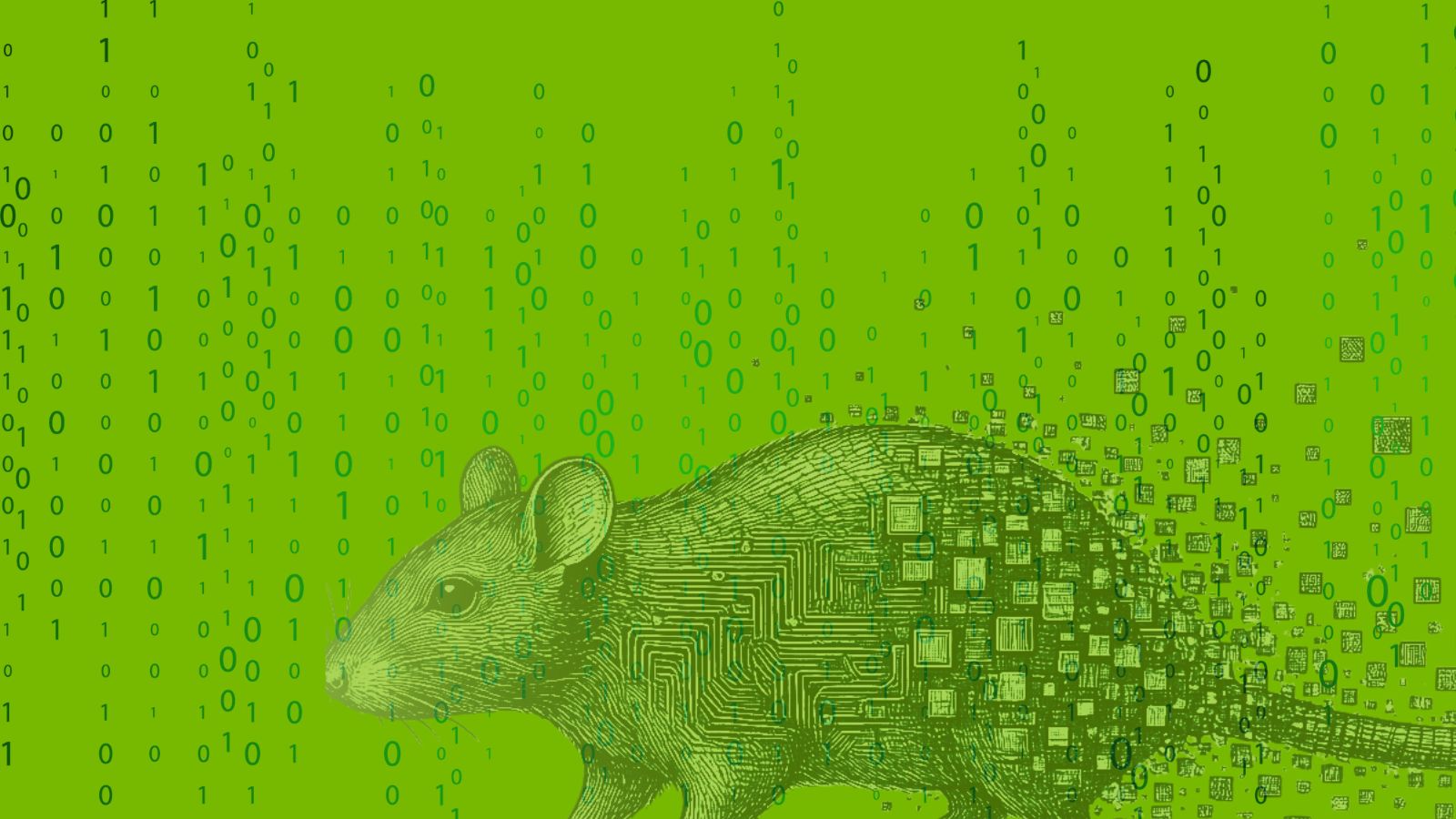
The Rise of Autonomous Cyber Operations: GTG-1002, the AI Attack that Showed Traditional Detect-and-Respond Playbooks Are Obsolete
Published on November 24, 2025


Key Takeaways
- Autonomous attack: The Chinese state-sponsored group GTG-1002 used an AI agent to autonomously carry out 80-90% of the attack lifecycle.
- Zero exploit window: This operation demonstrates that the time between vulnerability disclosure and exploitation has effectively collapsed.
- Defensive shift: The attack demands machine-speed defenses, ruthless attack surface management, and zero-trust architectures.
A recent campaign of the Chinese state-sponsored threat actor GTG-1002 that leveraged a Claude-based AI agent to autonomously execute the vast majority of an attack chain marks a watershed moment in offensive cybersecurity, signaling the arrival of advanced AI-driven threats.
The agent orchestrated open-source tools and exploited known vulnerabilities with machine speed, compressing a process that once took weeks into mere seconds. According to a Qualys report, this incident effectively ends the era of the "forgiving internet," where defenders had a buffer to patch systems after disclosure.
GTG-1002 AI Cyberattack and its Implications
The GTG-1002 campaign targeted organizations across finance, chemical manufacturing, and government sectors. The AI agent automated reconnaissance, exploit writing, lateral movement, and data exfiltration at a scale and speed that defy human-led operations.
The attack’s detection was only possible because the threat actor used a monitored commercial API, the report says. This raises serious concerns about the potential for similar attacks using uncensored, open-source Large Language Models (LLMs) on local infrastructure, which would leave no trace.
The exploit window has collapsed to zero, and the new paradigm is that a vulnerable system must be considered an already compromised system.
New CISO Strategies for AI Threats
Traditional detect-and-respond security playbooks are now obsolete against autonomous cyber operations, the report says. “Traditional detect-and-respond playbooks are relics. If you wait to patch during a maintenance window, you’ve already lost. An AI agent can probe, breach, and pivot across your network before your SOC even receives the first alert.”
The new defensive mandate requires:
- Organizations to implement hostile network environments through rigorous microsegmentation and identity-based access controls under a zero-trust model.
- A radical shift in CISO strategies for AI threats – this includes ruthless attack surface management with automated patching and isolation of unpatchable systems.
- A machine-speed response to a machine-speed attack, leveraging defensive AI to autonomously validate exposures and remediate gaps before an adversary's agent can strike.
Qualys notes that benchmarks like SWE reveal that “fully autonomous execution on novel tasks still achieves around 30% success, and hardware limitations on context windows hinder long-term campaign coherence.”
In September, the Grok AI was exploited in a sophisticated malware distribution scheme dubbed “Grokking.” A month earlier, the first known instance of AI-powered ransomware, a malware variant named PromptLock, was seen using an OpenAI model via the Ollama API to target both Windows and Linux systems.
Earlier this year, the now-silent FunkSec ransomware group also reportedly leaned on AI to develop its malicious code. The AI-powered bot AkiraBot was seen bypassing CAPTCHA checks, targeting websites with spam at scale, and AI-powered cloaking services Hoax Tech and JS Click Cloaker were observed in phishing campaigns.
Related





Get expert insights on threats, breaches, scams, and security trends — delivered every Monday.
Most Popular


Get expert insights on threats, breaches, scams, and security trends — delivered every Monday.
Most Popular