



Proton VPN Unveils Fall & Winter 2025–2026 Roadmap with Major Upgrades
Published on October 29, 2025

- Expanded Free Servers: Proton VPN adds five new free locations, bringing the total to ten countries.
- New VPN Architecture: Upcoming system boosts speed, reliability, anti-censorship, and prepares for post-quantum encryption.
- Linux CLI & Business Tools: Introduces Linux command-line app and new admin console for enterprise users.
Proton VPN has released its 2025–2026 fall and winter roadmap, outlining several major updates designed to enhance speed, privacy, and usability across platforms.
The company plans to introduce new free server locations, a next-generation VPN architecture, and a Linux Command-Line Interface (CLI). These changes aim to improve overall performance while maintaining Proton’s focus on privacy, transparency, and user control.
More Free Server Locations for Proton VPN Users
Proton VPN is expanding its Free plan to include five new countries: Mexico, Canada, Switzerland, Norway, and Singapore.
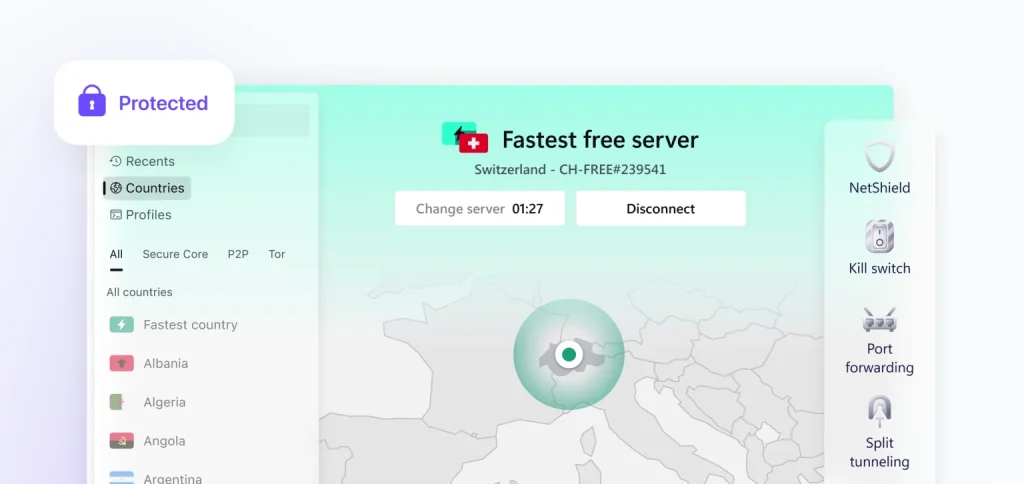
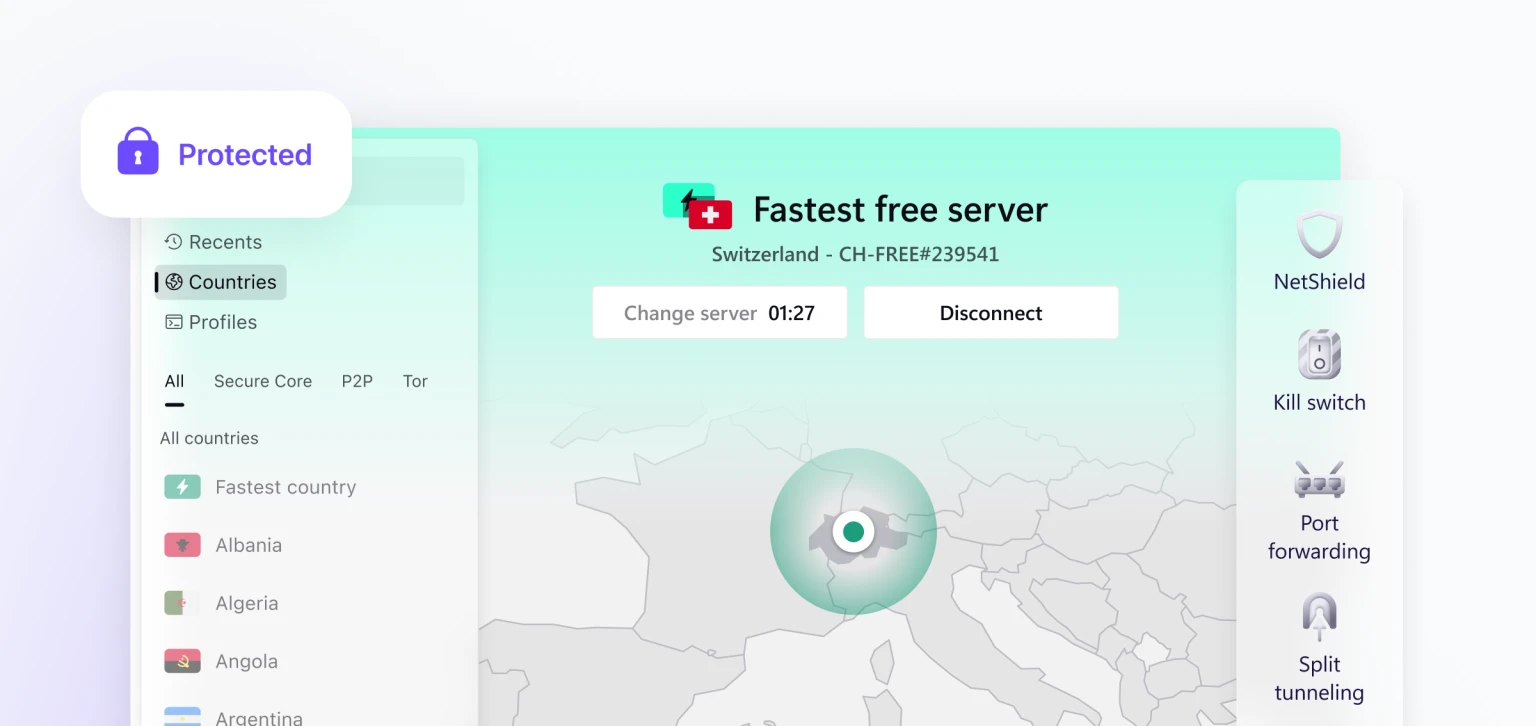
Previously, free servers were available in the Netherlands, Japan, Romania, Poland, and the United States. With these additions, the total number of free locations now reaches ten countries.
This expansion is expected to give users faster connections by reducing latency and improving access to less congested regional servers. The automatic connection feature will still select the best available free server, but users can manually choose another location if needed.
A New VPN Architecture for Better Speed and Security
Proton VPN is also developing a new VPN architecture that builds on the WireGuard protocol to deliver faster performance, enhanced reliability, and improved anti-censorship capabilities.
According to the company, this architecture will make it possible to:
- Develop and deploy faster, more reliable VPN apps
- Strengthen anti-censorship systems
- Introduce new features more efficiently across platforms
- Support Stealth mode on Linux
- Prepare for post-quantum encryption in the future
The new infrastructure is being designed to handle Proton VPN’s growing user base and feature set, ensuring long-term scalability and security improvements.
Linux Command-Line Interface Coming Soon
One of the most requested features from the Proton community, a Linux Command-Line Interface (CLI), is now in development.
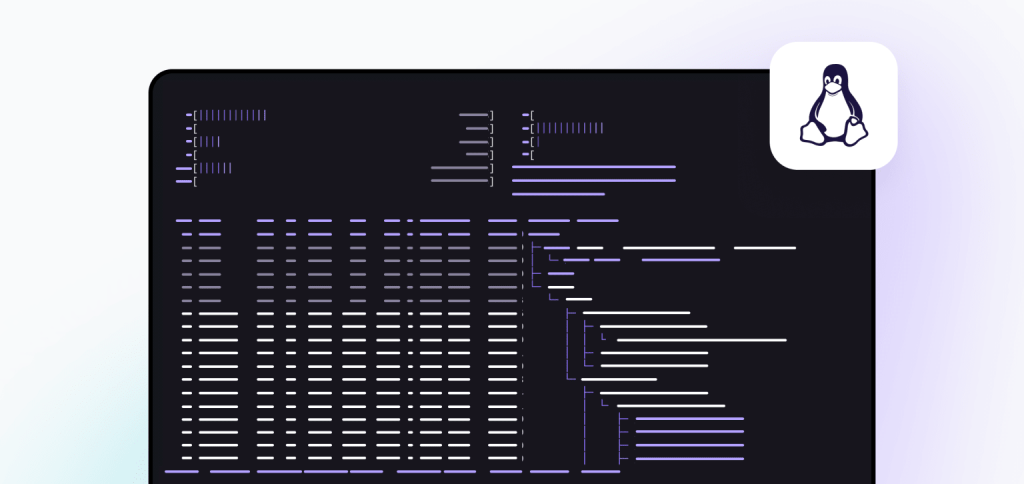
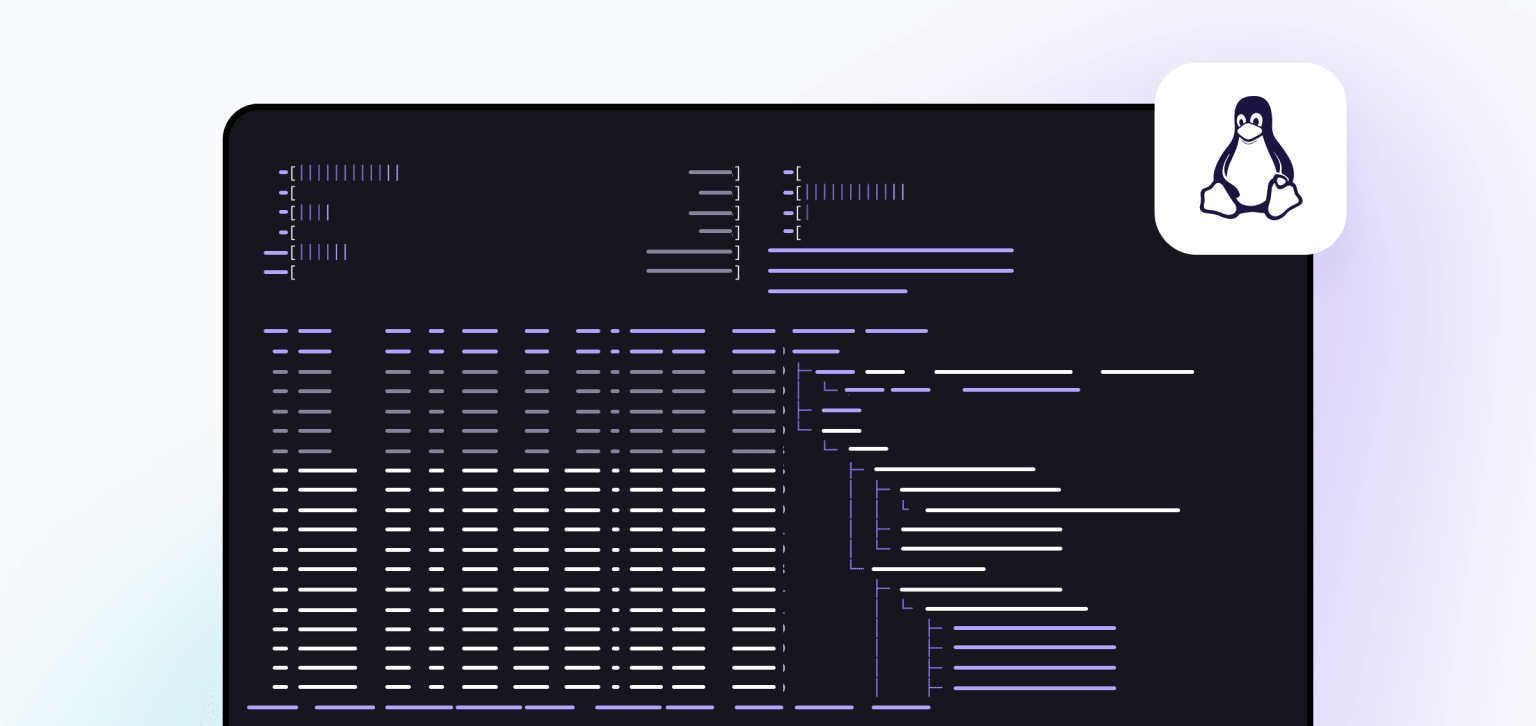
The Proton VPN CLI will allow users to manage connections directly from the terminal, without needing a graphical interface. It will deliver the same Swiss-grade privacy and encryption as Proton’s other apps while offering speed and flexibility for Linux power users.
Users will be able to automate connections, integrate the VPN into custom scripts, and soon, set the Linux app to auto-launch on system startup.
Usability Improvements and New Features
Alongside major technical updates, Proton VPN plans to roll out a series of usability improvements across all platforms. These include:
- Faster app load times
- More intuitive server selection, with the ability to choose cities and states
- Enhanced split tunneling options
- Additional language support
- An updated Android TV app
These updates aim to make Proton VPN more convenient and accessible for everyday users while maintaining high security standards.
Proton VPN for Business Expands Admin Capabilities
Proton VPN is also enhancing its business offering with a new admin console that gives organizations more control over network policies and user access.
The updated console allows admins to set web traffic filtering policies, restrict access to specific online categories, and define granular security settings. These features are intended to improve internal cybersecurity management while maintaining Proton’s transparency and privacy principles.
The changes will form the foundation for a more powerful Proton VPN for Business solution tailored to enterprise-level needs.
Built with the Proton Community
Proton VPN says the 2025–2026 Roadmap is part of its ongoing mission to provide a faster, more private, and user-driven VPN experience. Every feature is developed with community feedback in mind, reinforcing Proton’s commitment to privacy-first technology.
Related




Get expert insights on threats, breaches, scams, and security trends — delivered every Monday.
Most Popular





Get expert insights on threats, breaches, scams, and security trends — delivered every Monday.
Most Popular