


Malicious Steam Workshop Wallpapers Hijack Accounts via Wallpaper Engine, Distribute DarkKomet, Lumma, Vidar, and RenEngine
Published on June 18, 2026

Key Takeaways
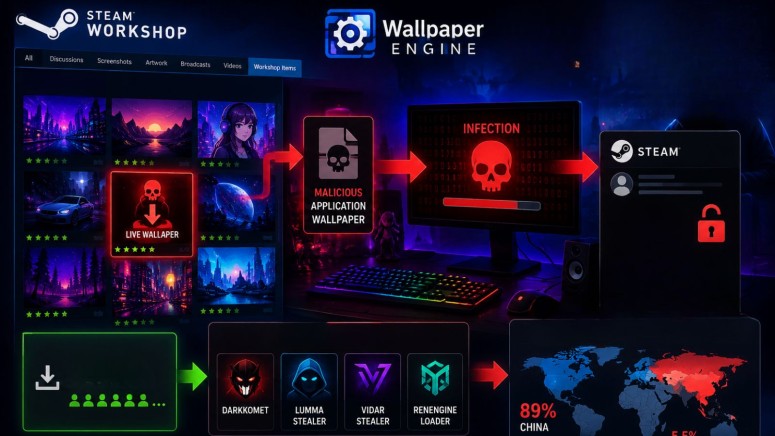
- Steam Workshop: Researchers found dozens of malicious wallpapers on Steam Workshop that exploit Wallpaper Engine.
- Malware Mix: Payloads include DarkKomet, Lumma and Vidar infostealers, and RenEngine.
- Top Targets: Gamers in China have accounted for most detections, with the campaign ongoing since at least August 2025.
Dozens of malicious application wallpapers on Steam Workshop, the gaming platform's built-in service for sharing custom content, have been uncovered. The attackers abuse Wallpaper Engine, a popular live wallpaper app, to hijack accounts and infect systems, predominantly those of gamers in China, with the DarkKomet backdoor, the Lumma and Vidar infostealers, and the RenEngine loader.
Wallpaper Engine supports several wallpaper types, including "application wallpapers," essentially standalone programs that can run foreign code directly on a user's computer. A June 17 update confirmed the malicious wallpapers were present as early as August 2025.
How the Steam Workshop Attack Works
Cybercriminals embedded malware into these wallpapers and published them for free, Kaspersky researchers have uncovered. Each malicious wallpaper had already been downloaded thousands, or even tens of thousands, of times.
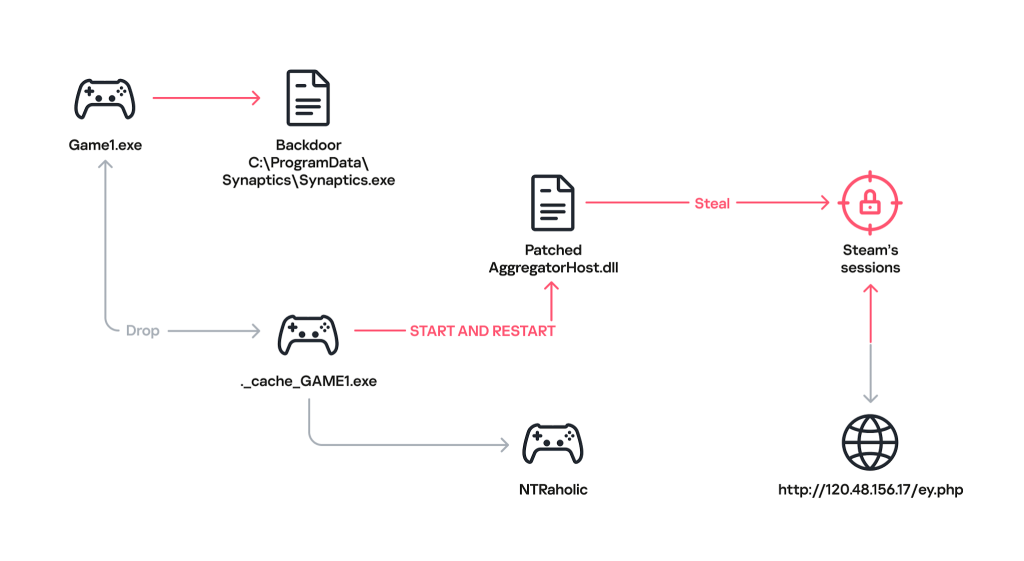
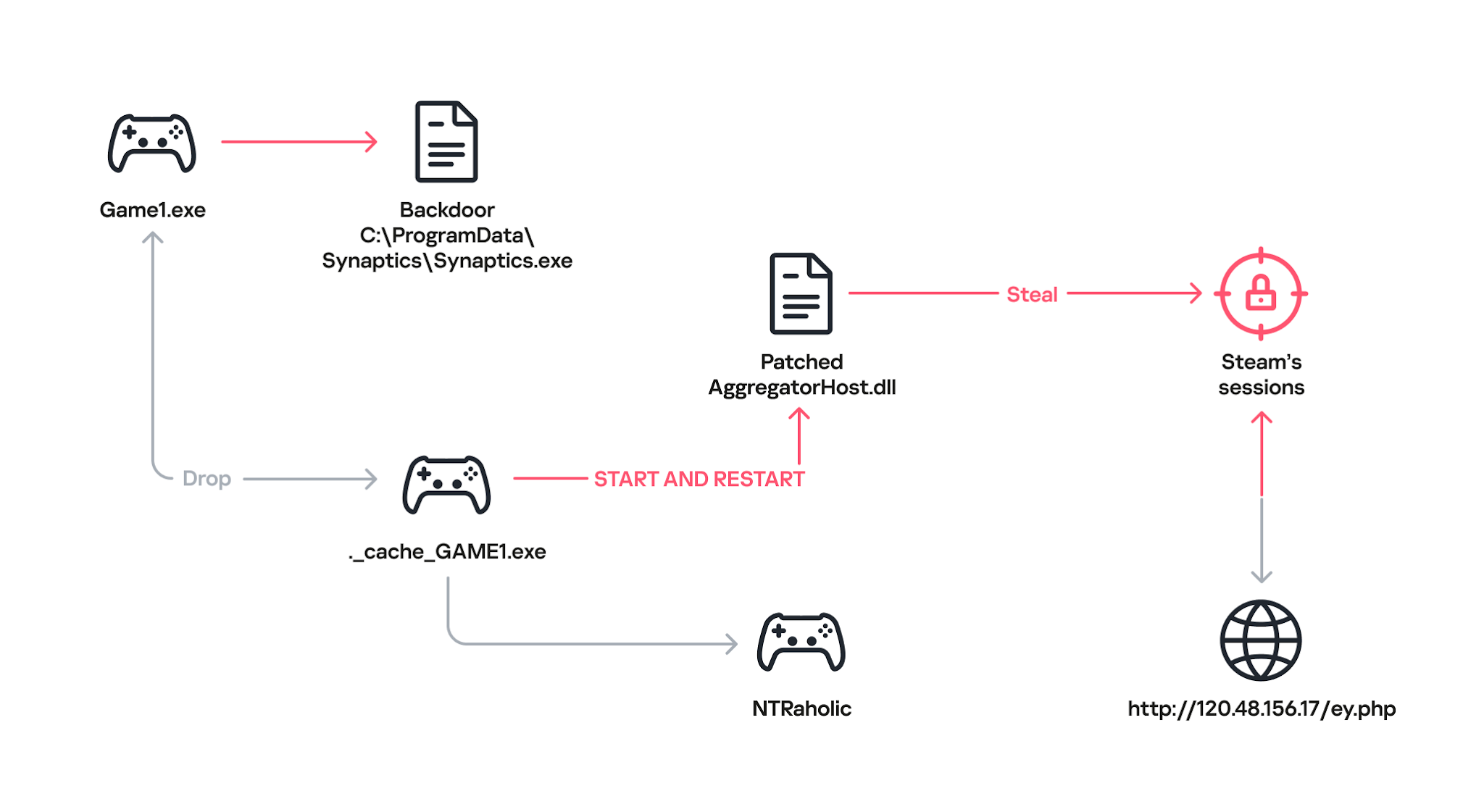
In one sample, launching the wallpaper drops a backdoor file called Synaptics.exe, part of the DarkKomet malware family. At the same time, an executable named ._cache_GAME1.exe boots the actual game, NTRaholic, while installing a modified system library, AggregatorHost.dll.
This library hunts for the Steam app, hijacks the user's live session, and sends collected data to an attacker-controlled server. With control of the session, attackers can upload more malicious wallpapers to Steam Workshop.
Kaspersky caught familiar threats, including the DarkKomet backdoor, the Lumma and Vidar infostealers, and the RenEngine loader.
Malware Victims
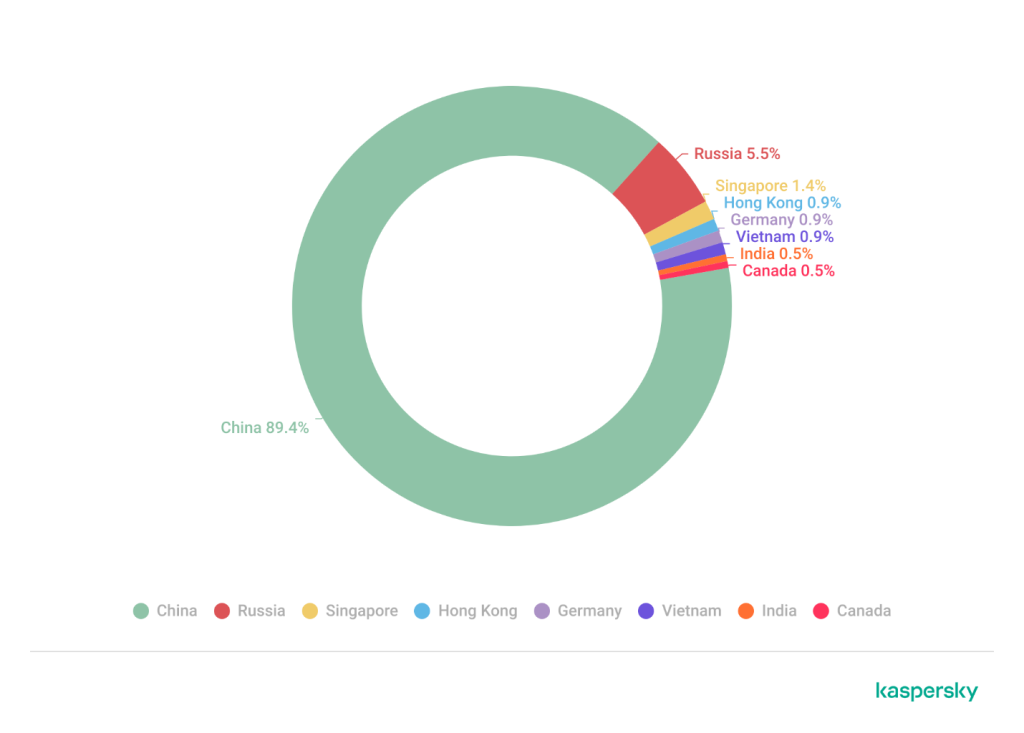
The diversity suggests multiple independent groups. Gamers in China made up 89% of malicious download attempts, with Russia second at 5.5%. By the time the report went live, Steam had removed the identified wallpapers and links.
A Hudson Rock report from early this year said that dozens of global companies were breached via infostealer credentials.
Lumma Stealer was among the top threats in 2025, with Lumma operators disabling the IDRAC tool and returning access to the twice-formatted servers by law enforcement. The same year, TikTok AI-generated videos distributed Vidar and StealC, and trojanized npm packages delivered Vidar.
In February 2025, 20 million leaked OpenAI accounts were put up for sale, possibly linked to the Redline, StealC, Lumma, and Vidar infostealers, and a Trojan-infected Steam game was removed by Valve.
Related






Get expert insights on threats, breaches, scams, and security trends — delivered every Monday.
Most Popular

Get expert insights on threats, breaches, scams, and security trends — delivered every Monday.
Most Popular