



Women in Iran Hit Hard as Internet Blackouts Collapse Online Work and Income
Published on May 14, 2026

Key Takeaways
- Iran internet blackout women: collapse of online livelihoods across Iran: Internet shutdowns cripple women-led businesses, eliminating income from online platforms and informal digital work nationwide
- Internet restrictions deepen unemployment among women in informal and remote sectors: Women lose informal jobs in education, publishing, services, while expensive VPNs limit remaining income access
- Rural and urban women face collapse of online parallel labor market: Rural sellers and professionals lose digital markets as internet blackout erodes income stability nationwide severely
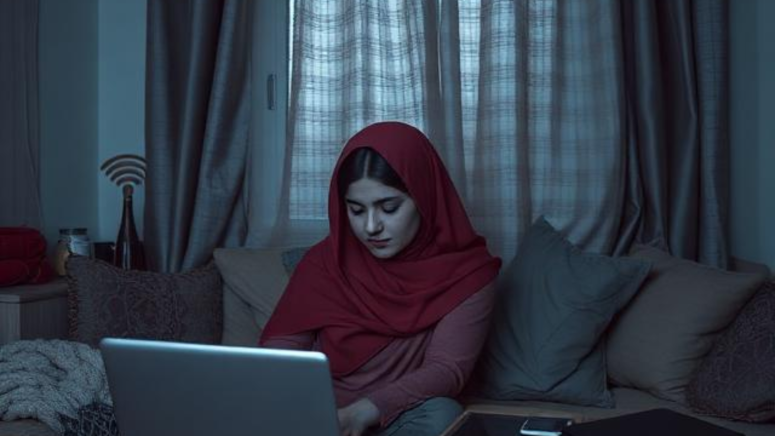
A prolonged internet blackout in Iran is causing widespread economic disruption, and women who rely on online work are among the most affected. Small digital businesses, freelance services, and home-based online sales have been severely impacted as access to the internet remains restricted.
Before the latest escalation of conflict in the Middle East in February, many Iranian women had built income sources through platforms like Instagram, remote services, and online teaching. Now, those livelihoods are largely frozen.
Internet Shutdown Leaves Online Workers Without Income
Since February 28, Iran has faced its most extended internet blackout on record, imposed amid heightened tensions involving US and Israeli attacks. Although a fragile ceasefire was reached on April 8, connectivity has not returned to normal, leaving many people unable to work or communicate online.
Three separate shutdowns in recent months have compounded the crisis, with access now largely limited to those who can afford expensive VPN tools or have state-approved connections.
A Tehran-based yoga instructor told RFE/RL’s Radio Farda that she lost her only source of income due to the restrictions. She said she cannot afford reliable VPN services, describing them as costly and unstable. She also noted that many of her colleagues are now unable to pay rent, adding that “life has stopped for many.”
For safety reasons, several individuals interviewed cannot be named due to restrictions in Iran.
“Parallel Labor Market” for Women Collapses
The impact is especially visible among women who built what experts describe as a “parallel labor market” online - flexible work that allowed them to earn income from home while managing childcare or household responsibilities.
Media scholar Emily Blout explained that just months ago, millions of women were active in small online businesses. She noted that internet restrictions, combined with political instability, have severely damaged this ecosystem, calling the current situation a form of “internet apartheid.”
According to government estimates cited in April by Deputy Labor Minister Gholamhossein Mohammadi, the recent conflict has led to around 1 million lost jobs and about 2 million people becoming directly or indirectly unemployed.
Women have been particularly affected in informal and digital sectors. Vice President for Women and Family Affairs Zahra Behruz Azar said internet restrictions have sharply limited informal work opportunities, adding that roughly one-third of unemployment insurance claims in a recent 40-day period were filed by women.
Iran’s female labor participation rate stands at around 18 percent, but many women had entered online-based work in areas such as education, publishing, mental health services, translation, and fitness instruction.
Real Lives Disrupted Across Urban and Rural Areas
The disruption is not limited to cities. A rural woman named Leila, living near Marand in northwestern Iran, previously supported her family by selling homemade food through Instagram. Over five years, she built a steady customer base, but says the shutdown has nearly eliminated her sales.
She reported that many of her customers originally found her through word-of-mouth online recommendations, which have now collapsed due to restricted access. To stay online at all, she said she has already spent around 5 million tomans (about $40) on VPN services, with limited results.
Leila shared her situation in an interview with an Iran-based social issues outlet, Atiye Online.
Job Losses and Gender Inequality Concerns
The shutdown has also hit office-based sectors tied to digital access. A Tehran publishing editor said both her publishing house and an advertising company laid off large portions of their staff, with women making up most of those affected. In her case, she lost one job entirely and saw her salary reduced by half in another.
Researcher Azam Bahrami described the internet as a crucial “lifeline” that previously enabled women across cities and rural areas to work remotely while managing family responsibilities.
Sociologist Simin Kazemi linked the disproportionate impact on women to long-standing gender norms. She said women’s jobs are often seen as less essential than men’s, which makes them more vulnerable during layoffs. She also noted that 22.5 percent of Iranian households are headed by women, many of whom are among the country’s poorest, warning that rising female unemployment could push more families into extreme poverty.
As internet access remains limited, many of the online opportunities that once supported women’s financial independence in Iran continue to disappear.
Related





Get expert insights on threats, breaches, scams, and security trends — delivered every Monday.
Most Popular





Get expert insights on threats, breaches, scams, and security trends — delivered every Monday.
Most Popular