


hide.me VPN Re-accredited by VPN Trust Initiative (VTI) for 2026 – What It means for Users
Published on December 16, 2025

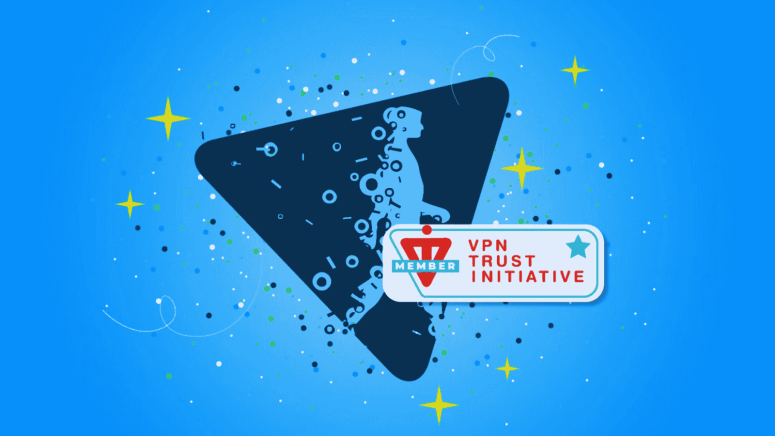
- VTI re-accreditation status: hide.me VPN meets VTI standards again, with accreditation extended and valid through 2026.
- Purpose of VTI standards: VPN Trust Initiative sets clear rules for privacy, security, transparency, and responsible advertising.
- What it means for users: Accreditation signals accountability, not perfect privacy or complete protection from online risks.
hide.me VPN has been re-accredited under the VPN Trust Initiative (VTI) Trust Seal programme, extending its accreditation status through 2026. The re-accreditation confirms that the VPN provider continues to meet the standards set by the industry-led initiative for privacy, security, transparency, and responsible practices.
The VPN Trust Initiative operates under the i2Coalition and aims to bring clearer standards and accountability to the VPN industry, an area where claims around privacy and security are often difficult for regular users to verify.
Why the VPN industry needs clearer standards
VPN services are widely used by people looking to protect their online privacy and improve security. However, terms like “privacy” and “anonymity” are often used loosely in marketing, making it hard for non-technical users to understand what a VPN actually offers.
Without common benchmarks, it becomes challenging for users, reviewers, and journalists to separate strong, verifiable practices from vague claims. The VPN Trust Initiative was created to address this gap by defining shared expectations for VPN providers and setting up a system to monitor compliance over time.
What is the VPN Trust Initiative and its Trust Seal?
The VPN Trust Initiative (VTI) is a consortium of VPN providers formed to improve digital safety and trust. It has published a set of guidelines known as the VTI Principles, which outline expectations in five key areas:
- Security
- Privacy
- Advertising practices
- Disclosure and transparency
- Social responsibility
The Principles also caution VPN providers against making absolute claims, such as guaranteeing complete anonymity, which are considered misleading.
The VTI Trust Seal is awarded to providers that pass a formal accreditation and compliance review conducted by the i2Coalition. The Seal is not permanent. VTI has an enforcement process in place, and providers can lose their accreditation if complaints are upheld or standards are not maintained. In such cases, the provider must remove the Trust Seal from its platforms within a specified period.
VTI also maintains public verification pages that show whether a provider’s Trust Seal status is active.
hide.me VTI 2026 And What it Means for Users
According to hide.me, the re-accreditation reflects that the service continues to meet the VTI Principles across areas such as security, privacy, transparency, responsible advertising, and social responsibility. Unlike a one-time certification, re-accreditation is meant to show ongoing compliance with externally defined standards rather than internal marketing claims.
For users, VTI accreditation can indicate:
- Clearer explanations of privacy and data-handling practices
- More restrained and accurate advertising claims
- An accountability mechanism, including the possibility of losing accreditation
- A publicly available framework to evaluate VPN providers
However, the accreditation does not mean that any VPN is completely risk-free. Online privacy also depends on factors such as device security, user behaviour, and account management. The VTI Principles themselves advise against viewing VPNs as a complete or guaranteed solution.
Users who wish to check the status independently can visit the VTI verification page for hide.me or review the VTI Principles to understand what the Trust Seal represents.
hide.me has stated that the re-accreditation complements its other transparency measures, including its no-logs policy and transparency reporting. The company also offers a 30-day money-back guarantee on its premium plan, which it says is part of its approach to internet freedom and user trust.
As VPN usage continues to grow, initiatives like VTI aim to provide clearer standards and help users make more informed decisions in a crowded and often confusing market.
Related



Get expert insights on threats, breaches, scams, and security trends — delivered every Monday.
Most Popular





Get expert insights on threats, breaches, scams, and security trends — delivered every Monday.
Most Popular