


Chandigarh Police Responds to Legal Concerns on CCTV Deployment
Last updated June 29, 2021

- The Chandigarh Police has responded to the Internet Freedom Foundation’s request for information.
- Their responses are contradictory, worrying, vague, and indicate the absence of a legal context.
- Reportedly, there’s one camera for every 4647 citizens living in the district of Chandigarh.
There has been a lot of talk about the deployment of facial recognition systems in India lately. Privacy rights advocates are complaining about the way that the government and the police are using these systems, and more specifically the fact that there’s no law to regulate how the personal data of people are collected, used, shared, and stored. The “Internet Freedom Foundation” (IFF) has submitted multiple complaints and RTI (Right to Information) requests on the matter, and they have received two interesting responses from the technical and traffic departments of the Chandigarh Police.
So, the IFF submitted an inquiry on January 20, 2020, asking for details around the legal basis upon which the Chandigarh Police is using CCTV cameras in conjunction with facial recognition technology, what information is stored on their systems, how extensive the data retention period is, and whether or not they are sharing this data with any other law enforcement entities in the country. The first to answer was the Traffic department on February 5, 2020. In their response, they told the IFF that they were using 100 CCTV cameras on 20 intersections and roundabouts in the area.
On February 18, 2020, the Technical department of the Chandigarh Police has disclosed the following information:
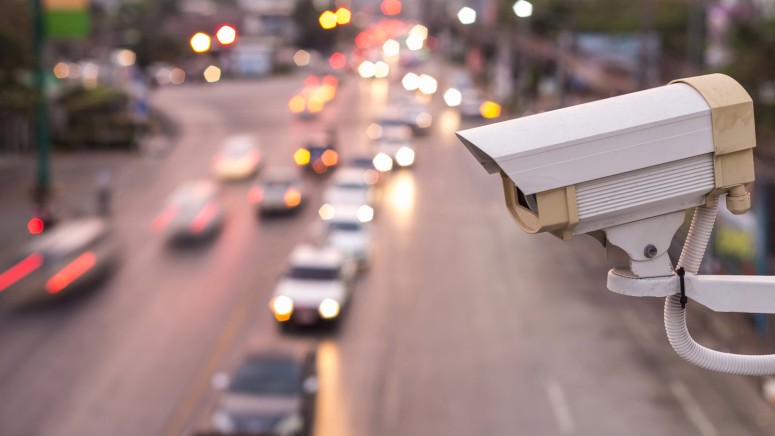
- There are 227 analog CCTV cameras installed across Chandigarh, and the Technical Department is responsible for their maintenance.
- The makers of the cameras are Bosch, Hikvision, Samsung, and Adhua.
- The storage duration of CCTV footage depends on the storage capacity of the DVRs (digital video recorders) and the hard disks that are deployed with these systems.
- The people who have direct access to this data are the Senior Officers of the Chandigarh Police.
- These people are accessing the data when required by police investigations, inquiries, RTIs, and other matters.
Now, there are several concerns that arise from these responses. First of all, there’s a big discrepancy between the number of cameras that the two departments report. Does this mean that the additional 127 cameras are used for things that are beyond the “traffic control” role of the Traffic department? Secondly, there’s not enough clarity on who qualifies as “Senior Officer”, and how many these people are. Thirdly, there’s the worrying element of who else can access this data upon request, as submitting RTIs and inquiries would be easy for almost anyone. Finally, there’s no mention of any constraints in regards to the sharing of the accessed data, so this part is alarming too.
Related






Get expert insights on threats, breaches, scams, and security trends — delivered every Monday.
Most Popular





Get expert insights on threats, breaches, scams, and security trends — delivered every Monday.
Most Popular