AI-Driven Ransomware Operator JADEPUFFER is Now Targeting the Files That Keep AI Systems Running
Published


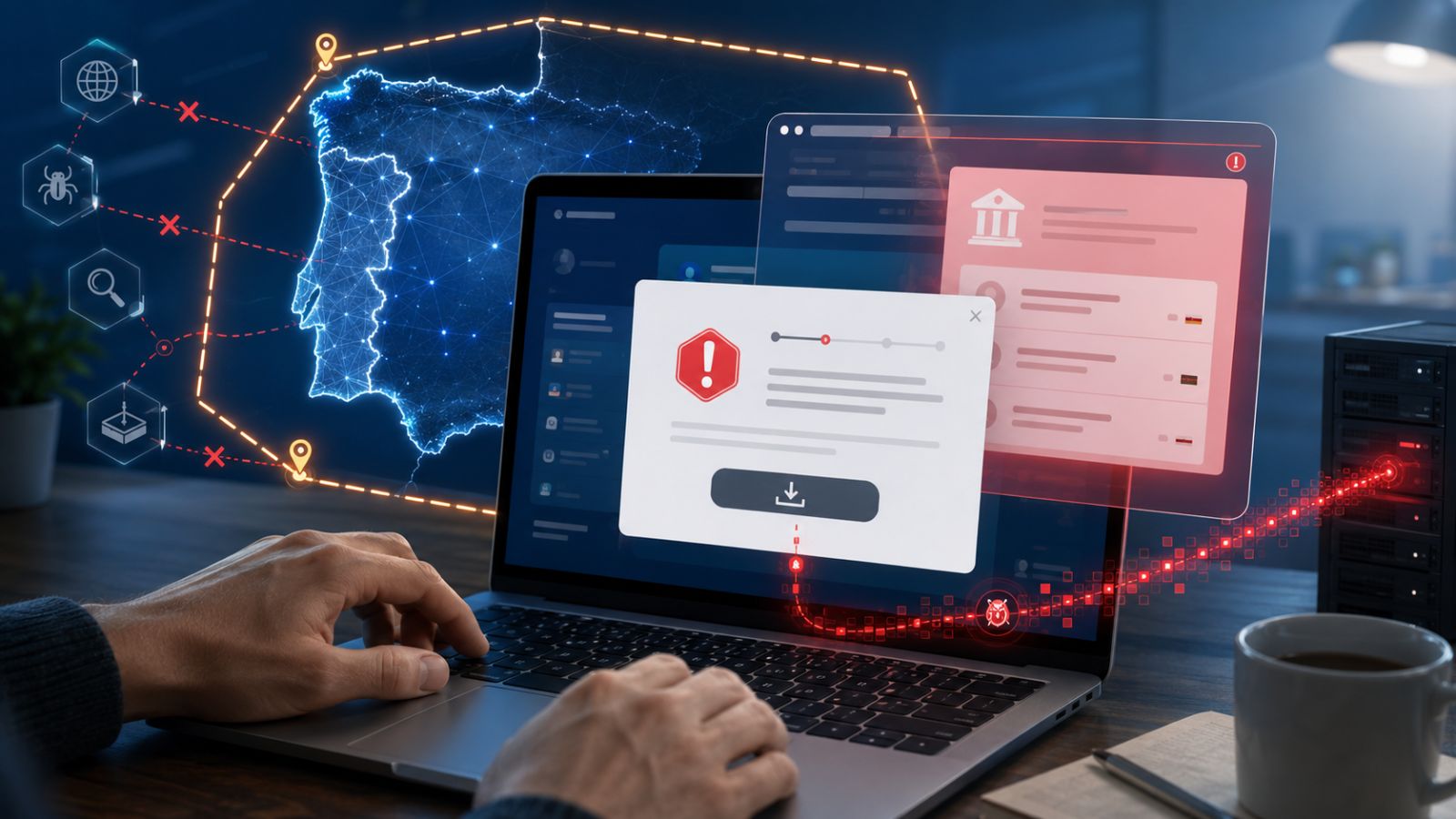
Question: JADEPUFFER, an AI-driven ransomware operator, entered through a vulnerable Langflow deployment, accessed the Docker socket, built a container-escape mechanism, and deployed ransomware designed to target AI model assets. Who all should own the defence across this attack chain? What sequence of steps should organizations follow to patch the entry point, harden containers, restrict model access, detect escape attempts, and preserve recoverable model backups?
Crystal Morin, Sr. Cybersecurity Strategist at Sysdig
JADEPUFFER exposed a shared ownership challenge for organizational security. No single team is positioned to remediate every flaw in the attack chain, and that is precisely why the model works for agentic threat actors (ATAs). They walk straight through the gaps between the teams.
Ultimately, security teams own reactive detection and response across the entire attack chain. They’re responsible for stopping, catching, or mitigating what other teams leave exposed or unpatched in real time.
But even so, proactively closing those gaps means assigning ownership to reduce risk along every step JADEPUFFER took:
- AppSec or DevOps patch the initial access point: In this case, update Langflow to 1.3.0 or later to close CVE-2025-3248, the unauthenticated code-execution flaw that let JADEPUFFER in.
- It has been in CISA's Known Exploited Vulnerabilities catalog since May 2025.
- Any AI pipeline tool should be treated like production infrastructure and patched in a timely manner, or just avoid exposing it in the first place.
- Platform or infrastructure engineers minimize container privileges: A Docker socket should never be mounted in a production container because it grants root-equivalent host access. If it’s required, put it behind a socket proxy with only specified API calls allowed.
- This is enforceable at the admission controller level, before containers run.
- Container escape depends on spinning up a privileged container through that socket, so run Langflow as non-root and lock down writable directories to limit the blast radius.
- Data or infrastructure engineers protect model assets: Least privilege is not just for people anymore; machine identities need guardrails just as urgently.
- The team responsible for AI model storage, access controls, and the infrastructure those models run on owns restricting who and what can reach model files at the filesystem level.
- Access should require authorization, not just network reachability.
- Security analysts assume breach: Security has always been a game of cat and mouse, and prevention alone isn’t enough.
- Security teams must keep watch for runtime tells, which means being able to differentiate normal behavior from deviations.
- Unexpected calls from a container, web-app users spawning shells, or finding known malicious file extensions are all early, but short-notice, warnings to act on before the encryption is complete.
- Data or infrastructure engineers preserve recoverable backups: Ransomware makes a bet that victims don’t have backups, and with AI models, that bet is especially dangerous.
- Rebuilding a fine-tuned model means re-running weeks or months of training, which costs somewhere between $75,000 and $500,000 per model.
- When all else fails, you fall to the level of your backups. For AI infrastructure, keep models offline or immutable, test that they actually restore, and store training data off the production host so a single box is never your whole recovery story.
None of this required a zero-day. The way in was known and patchable, and the escape used detectable techniques. That is both humbling and encouraging.
The organizations that fare best against an attack like this are the ones that assume breach, layer runtime detection on top of prevention, and treat recovery and resilience as seriously as the defensive perimeter.
In the cloud – and now in AI – security is synonymous with business continuity.
Related