



European Parliament Rejects Motion to Block Chat Control Extension Proposal as Privacy Concerns Continue
Published

Key Takeaways
- Vote Result: A motion attempting to block the Chat Control extension proposal failed, allowing the proposal to continue through the legislative process. The vote itself did not constitute final approval of the extension.
- User Impact: No immediate changes to VPN services or encrypted messaging platforms result from this procedural vote. It does not introduce new obligations for users or service providers.
- Future Impact: The decision keeps broader Chat Control discussions active as EU lawmakers continue negotiating permanent legislation.
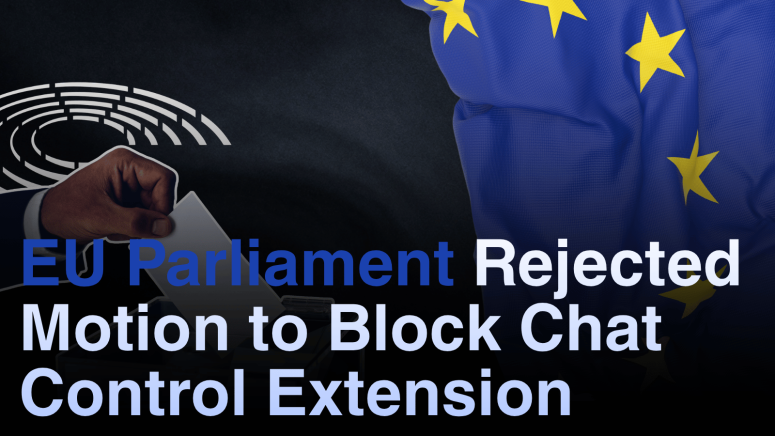
The European Parliament has rejected a motion aimed at blocking an extension proposal for the European Union's temporary rules that allow certain online communication providers to voluntarily detect and report child sexual abuse material (CSAM). The vote concerned the continuation of the legislative process and did not itself represent final approval of the extension.
The vote took place on July 9, 2026, during the European Parliament's plenary session in Strasbourg. According to the Parliament's official roll-call vote, Members voted on a motion to reject the proposal concerning the temporary Chat Control framework.
The motion received:
- 314 votes in favor of rejection
- 276 votes against rejection
- 17 abstentions
However, the motion failed because it did not achieve the required absolute majority of Members of the European Parliament. As a result, the attempt to block the proposal was unsuccessful, meaning the extension proposal can continue through the relevant legislative process. The vote should not be interpreted as final adoption of the measure.
The vote concerns the EU's temporary framework, often referred to by privacy advocates as "Chat Control 1.0." The framework allows certain online communication providers to voluntarily detect and report known or suspected child sexual abuse material and related abuse indicators while lawmakers continue negotiations on a broader permanent regulation.
The decision does not represent the final approval of the EU's broader "Chat Control 2" proposal, which remains under negotiation.
Key Highlights
- The European Parliament rejected a motion to block the extension proposal for the temporary Chat Control framework.
- The rejection motion received 314 votes in favor, 276 against, and 17 abstentions, but failed to reach the required absolute majority.
- The temporary framework allows eligible communication providers to voluntarily detect and report CSAM-related content.
- The vote does not introduce mandatory scanning of private messages or encrypted communications.
- VPN providers Mullvad and Windscribe CEO Yegor Sak previously criticized the legislative process, raising concerns about privacy, transparency, and the future of encrypted communications.
European Parliament Votes on Temporary Chat Control Framework
The vote was part of the European Parliament's 6–9 July 2026 plenary session. Rather than voting directly on whether to approve the temporary framework, lawmakers voted on whether to reject the proposal.
The official voting record lists the item as: "Temporary derogation from certain provisions of the ePrivacy Directive to combat online child sexual abuse – Proposition de rejet."
Because the rejection attempt failed, the extension proposal was not blocked and can continue through the legislative process. The vote alone does not determine the final legal status of the measure. The measure allows online communication providers to voluntarily continue certain detection and reporting practices related to child sexual abuse material and grooming activities. The framework is separate from the European Commission's wider legislative proposal commonly called "Chat Control 2."
That permanent proposal, registered as: COM(2022) 209 final (2022/0155(COD)) is still being negotiated through the EU's ordinary legislative procedure.
Privacy advocates have focused much of their criticism on the permanent proposal because earlier versions included measures that critics argued could have wider implications for encrypted communications and private messaging.
Why the Vote Matters
Supporters of the temporary framework argue that it prevents a legal gap that could prevent platforms from voluntarily detecting and reporting child sexual abuse material.
They argue that maintaining the framework allows technology companies to continue assisting law enforcement agencies while EU lawmakers negotiate a permanent solution.
Privacy advocates, however, have raised concerns that expanding voluntary scanning mechanisms could influence future legislation and create pressure for broader monitoring requirements.
The debate has become closely linked with questions around:
- End-to-end encryption
- Private messaging security
- Online anonymity
- Government access to digital communications
The temporary framework and the permanent regulation are separate legal processes. The temporary rules concern voluntary detection and reporting mechanisms, while the permanent proposal would establish a broader long-term legal framework if adopted.
VPN Providers React
Several privacy-focused companies and advocates criticized the way the vote was handled.
Mullvad's Concerns
VPN provider Mullvad previously criticized the return of the temporary Chat Control proposal, raising concerns about the procedure and its potential privacy implications.
In its post on X, the company argued that the European Parliament had already rejected similar attempts previously and questioned why lawmakers were revisiting the measure shortly before the parliamentary summer recess.
Mullvad also raised concerns that holding an important privacy-related vote close to the holiday period could make it harder for Members of the European Parliament to fully participate.
The company argued that issues affecting digital privacy and encrypted communications require careful scrutiny and transparent debate rather than accelerated procedures.
Mullvad's statement represents the company's position and not that of the European Parliament or EU institutions.
Windscribe CEO Yegor Sak's Reaction
Windscribe CEO Yegor Sak also commented on the issue through his verified X account.
Responding to Mullvad's post, Sak compared the EU debate with privacy-related legislative developments in Canada and criticized what he described as a pattern of governments expanding digital monitoring powers. Sak questioned the timing of the vote and described the proposal as a significant privacy concern.
He argued that legislation affecting encrypted communications should receive broader public discussion and scrutiny before moving forward. Sak's comments represent his personal views and not those of EU institutions.
What Happens Next?
Because the motion to reject failed, the extension proposal was not blocked and can continue through the legislative process. The next steps involve completing the remaining institutional procedures required before the temporary measure can formally proceed.
The vote does not finalize the separate Chat Control 2 proposal.
The permanent regulation remains subject to negotiations between EU institutions and would require separate approval before introducing any new obligations.
What This Means for Users
For most users, nothing changes immediately. Today's vote does not introduce new requirements for VPN services, encrypted messaging applications, or internet users.
The decision allows the temporary framework to continue, meaning eligible online communication providers may continue voluntary detection and reporting of CSAM-related material under the existing rules.
VPN Users
VPN users should not notice any changes. The vote does not create new obligations for VPN providers, does not affect VPN encryption, and does not change how VPN services operate.
Encrypted Messaging Users
Users of encrypted messaging platforms such as WhatsApp, Signal, and Telegram should also not expect immediate changes from this vote. The decision does not introduce mandatory scanning of encrypted conversations.
However, privacy advocates continue watching the separate Chat Control 2 negotiations because future versions of that legislation could have broader implications for encrypted communication services.
Why Privacy Users Should Pay Attention
Although the vote does not immediately change how online privacy tools work, it is part of a wider European debate about the balance between:
- Fighting online child exploitation
- Protecting private communications
- Maintaining secure encryption technologies
For privacy-conscious users, the significance lies less in today's practical impact and more in how future EU legislation could shape digital privacy standards.
What Users Should Do
No action is currently required. The vote does not require users to change their VPN provider, messaging apps, or privacy settings. Users who follow online privacy developments should continue monitoring negotiations surrounding the separate permanent child sexual abuse regulation proposal, commonly referred to by critics and privacy advocates as "Chat Control 2."
Related





Get expert insights on threats, breaches, scams, and security trends — delivered every Monday.
Most Popular





Get expert insights on threats, breaches, scams, and security trends — delivered every Monday.
Most Popular