



New Zealand Confirms It Is Not Planning to Restrict VPNs Amid Social Media Ban Debate
Published

Key Takeaways
- New Zealand VPN restrictions: Government officially denies plans to restrict or ban VPNs despite earlier reports and public speculation.
- Official clarification: Prime Minister and Education Minister's office confirmed VPNs are not part of proposed social media measures.
- Privacy impact: VPN users need take no action as encryption tools remain unaffected under current government plans.
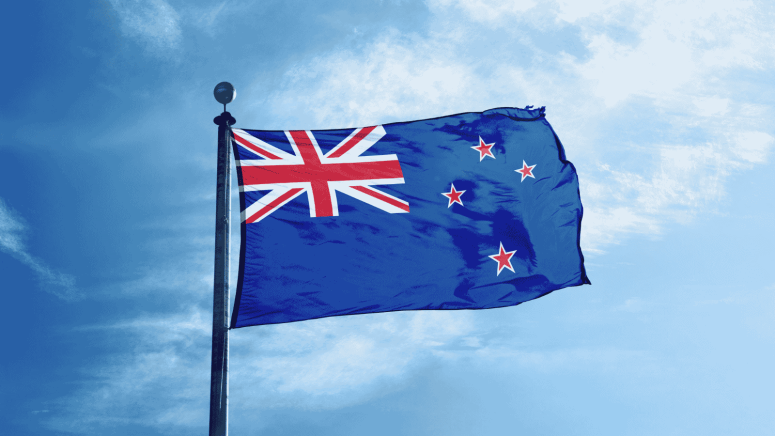
New Zealand's government has officially stated that it is not considering restrictions or a ban on virtual private network (VPN) services as part of its proposed social media restrictions for users under the age of 16.
The clarification follows widespread speculation after earlier reports suggested VPN restrictions were being examined as a possible way to support enforcement of the country's planned under-16 social media ban. The reports prompted strong criticism from privacy advocates, free speech groups, and political figures concerned about the impact on online security and digital rights.
Government Rejects Reports of a VPN Ban
The controversy began after reports claimed that New Zealand's Education Minister, Erica Stanford, had indicated the government was considering possible VPN restrictions alongside its proposed social media rules for minors.
VPNs allow users to create an encrypted internet connection and can also make it appear as though they are accessing the internet from another location. Because of this, some officials viewed them as a potential way for young users to bypass age verification systems or regional restrictions.
However, following the public reaction, Prime Minister Christopher Luxon publicly rejected the reports, stating that the government has "no plan to ban VPNs." He also said he did not know where the reports originated and reassured the public that such measures were not being pursued.
Stanford's office later issued an official clarification confirming that the government is "not looking at restricting or banning VPNs." This official statement serves as the government's verified position on the issue.
Privacy Concerns Drove Strong Public Response
The suggestion that VPNs could face restrictions triggered immediate criticism from privacy and free speech advocates.
Critics argued that VPNs are widely used security tools that help protect personal information by encrypting internet traffic. They warned that restricting such technology could weaken online privacy and digital security for everyday users.
Political opposition also emerged, with coalition partner ACT reportedly opposing any measures targeting encryption technologies. The Free Speech Union likewise criticized the reported proposal, arguing that limiting commonly used privacy tools would have broader implications beyond child online safety.
What This Means for VPN Users
For VPN users in New Zealand, the government's latest statements indicate that no action is currently required. Based on the official clarification from Prime Minister Christopher Luxon and Education Minister Erica Stanford's office, there are no plans to restrict or prohibit VPN applications as part of the proposed under-16 social media legislation.
The episode also highlights the broader debate surrounding age verification laws and online privacy. While governments continue exploring ways to enforce protections for minors on social media, VPNs remain an important tool for many individuals, businesses, and journalists to secure internet connections and protect sensitive data.
For now, New Zealand has officially confirmed that VPN restrictions are not part of its proposed social media policy, bringing an end to speculation surrounding the issue.
Related



Get expert insights on threats, breaches, scams, and security trends — delivered every Monday.
Most Popular



Get expert insights on threats, breaches, scams, and security trends — delivered every Monday.
Most Popular