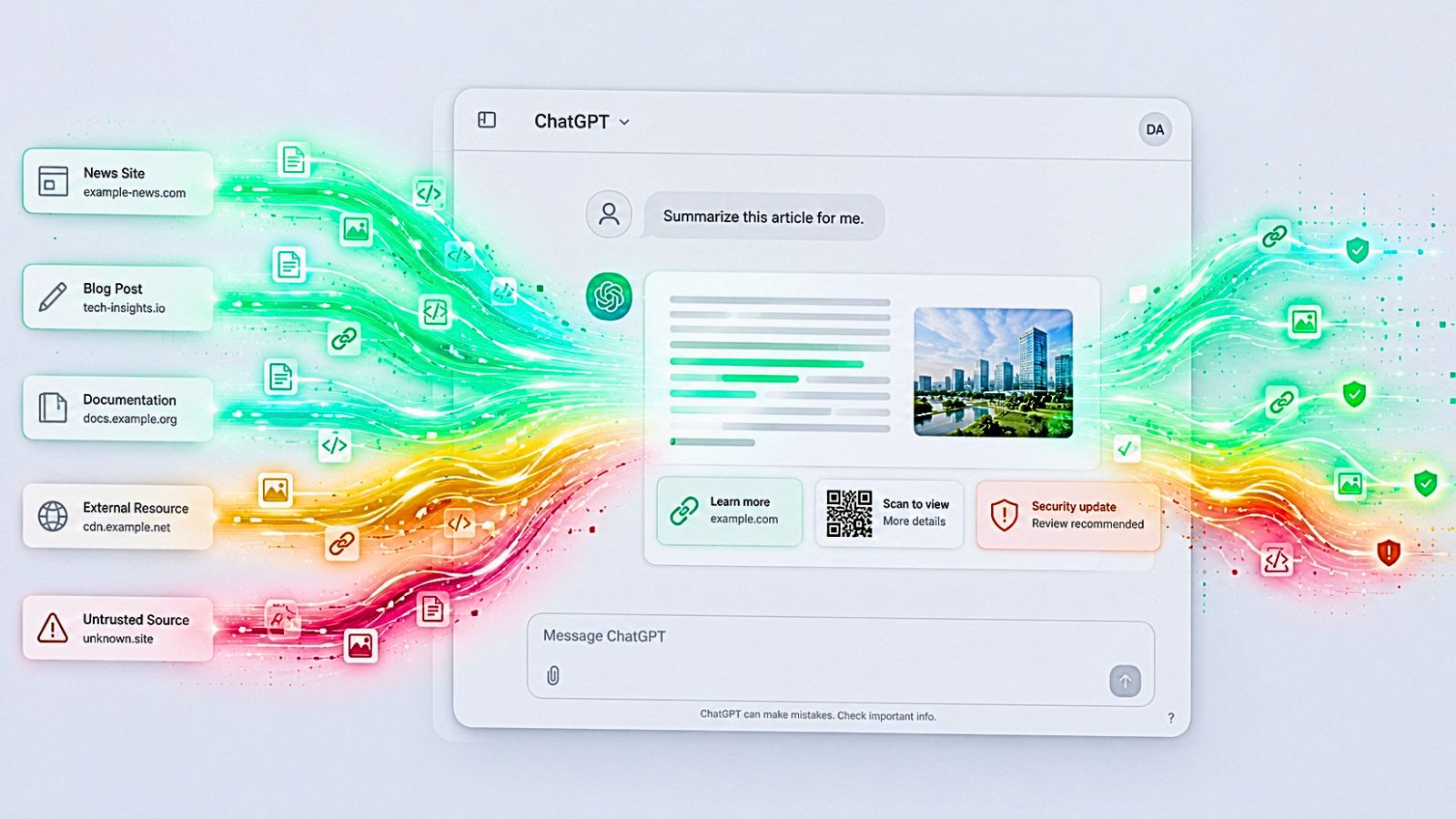
The Next AI Operations Challenge: From Seeing Problems to Solving Them With Zero-Touch Visibility
Published


Question: In your conversations with enterprise leaders navigating AI infrastructure, cloud networking, and observability challenges, what questions do you address? How do you help organizations navigate the gap between technical complexity and operational reality?
Patrick Johnson, Strategic Client Executive at Kentik
The conversations happening today between infrastructure leaders, cloud architects, and operations teams are no longer centered on whether AI will impact operations. That question has largely been answered.
The real question is whether organizations can operationalize AI fast enough to keep pace with the complexity they have already created.
One theme consistently emerges across enterprise environments: visibility has improved dramatically, but action has not.
Most organizations can collect enormous volumes of
- telemetry from networks,
- cloud environments,
- applications, and
- security tools.
They can see:
- Outages,
- Performance degradation,
- Configuration drift, and
- Anomalous behavior faster than ever before.
- Yet when incidents occur, the response process often remains heavily manual.
- Engineers still spend valuable time pivoting between tools, validating alerts, determining root cause, and coordinating remediation.
This has created a growing imbalance between capability and execution.
As AI-driven operations mature, the focus is shifting from dashboards and observability toward decision support and automated action. Leaders are increasingly asking how to reduce mean time to resolution rather than simply improve detection.
- The goal is not more alerts.
- The goal is fewer human steps between identifying a problem and resolving it.
This is where the concept of zero-touch visibility becomes important. Visibility should not require operators to know:
- Where to look,
- Which dashboard to open, or
- Which query to run
- Systems should automatically surface the relevant context
- Explain why an issue is occurring
- Identify impacted services, and
- Provide actionable recommendations
- However, significant gaps remain
Many current AI initiatives focus on summarization rather than operational outcomes. Generating a concise explanation of an incident is valuable, but it does not eliminate the investigation process.
Similarly, many organizations are discovering that AI is only as effective as the operational data, workflows, and governance that support it. Poor telemetry quality, fragmented ownership models, and inconsistent processes limit the value of even the most advanced AI systems.
Another challenge is organizational readiness. While attackers continue to benefit from automation and increasingly sophisticated AI-assisted techniques, many defenders remain constrained by
- Siloed teams
- Fragmented tooling
- Manual escalation paths
- The limiting factor is often not technology.
- It is operational alignment.
Looking ahead, the most successful organizations will likely be those that treat AI as an operational multiplier rather than a standalone initiative. The future is not fully autonomous infrastructure. It is infrastructure where
- Routine analysis
- Correlation
- Remediation are increasingly handled by machines
- While humans focus on judgment, architecture, and risk decisions
The immediate opportunity for enterprises is clear: stop measuring success by the amount of data collected and start measuring success by the number of manual steps eliminated.
Organizations that reduce operational friction will realize value far faster than those that simply deploy more tools. The next phase of AI-driven operations will not be defined by what systems can observe. It will be defined by what they can reliably do.
Related