Vulnerabilities Can Be Found in Minutes While Safe Remediation Requires More Than Speed
Published on June 9, 2026


Question: As AI-driven exposure remediation becomes more autonomous, what safeguards or fail-safe mechanisms would help reduce the risk of unintended actions involving vulnerabilities?
Eric Doerr, Chief Product Officer, Tenable
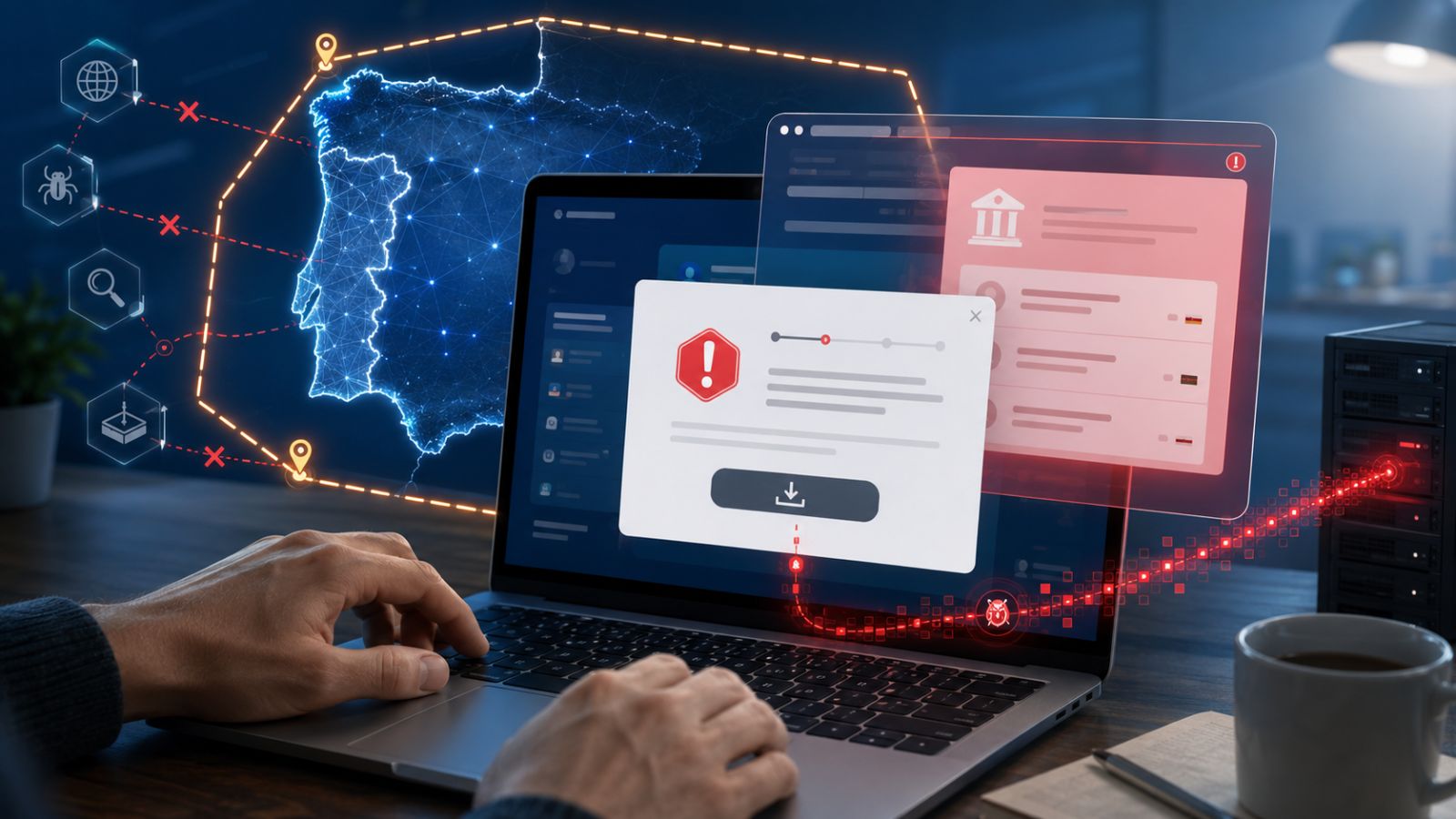
Unchecked autonomy is dangerous. We know that AI agents operating without the right guardrails and harness can be unpredictable, brittle, or unsafe in real-world enterprise environments.
- What if an autonomous engine misinterprets a policy?
- What if it tries to patch a system and accidentally takes down a production database?
- This is the exact anxiety that keeps CISOs awake at night, and it is a completely valid concern.
Historically, the security industry has focused strictly on finding a tiny handful of critical problems because human execution capacity is the scarcest resource in the enterprise.
But as frontier models compress vulnerability discovery from months to minutes, manual defensive cycles completely fall apart. We have to move toward automation, but we must do it safely.
To scale your preemptive defense to match machine speed, you have to wrap these powerful frontier models in a strict agentic harness. We solve this by implementing a comprehensive framework within Tenable Hexa AI designed from the ground up for end-to-end trust.
This starts with “human in the loop” by default and allows enterprises to move to increased automation over time as they are ready to do so.
This means establishing
- automated guardrails
- providing continuous visibility and
- ensuring strict auditability across every single automated action
Related