


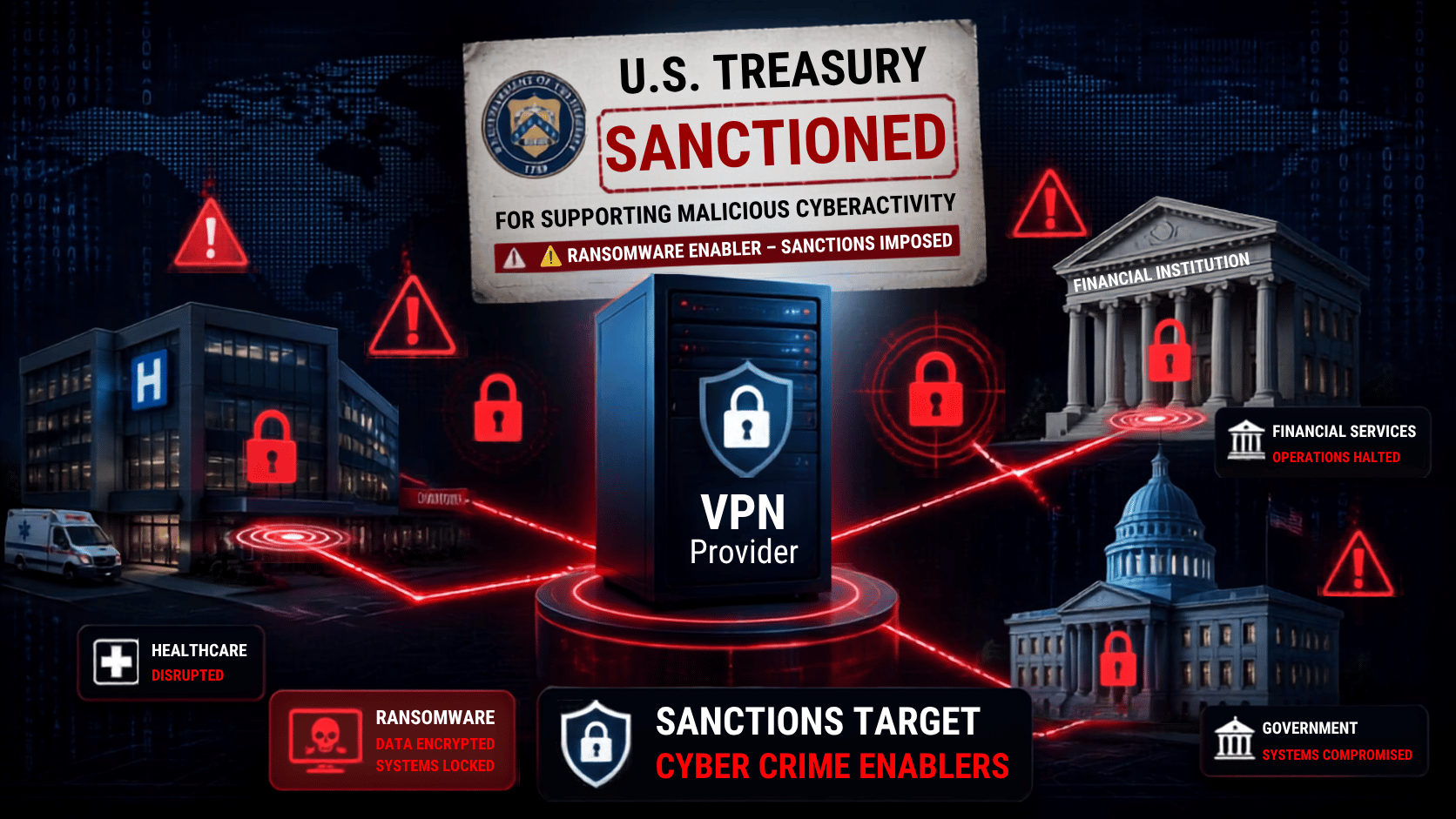
Polymarket Tightens VPN Restrictions and Expands KYC Checks Amid Regulatory Pressure
Published on May 29, 2026


Key Takeaways
- Polymarket KYC Changes: Platform increases VPN restrictions and tighter verification checks amid rising global regulatory scrutiny.
- VPN Access Restrictions: Users bypassing geoblocks through VPNs risk bans, limitations, and additional account monitoring measures.
- Compliance Pressure Grows: Polymarket expands AML systems while lawmakers request KYC and geofencing-related platform documents.
Polymarket is gradually increasing restrictions on anonymous trading as the prediction market platform strengthens its compliance measures. The company is now pushing more users toward identity verification while also cracking down on VPN usage and suspicious account activity.
The shift marks a major change from Polymarket’s earlier approach, where users could trade with very few checks or restrictions.
The platform is facing increasing scrutiny from regulators, sanctions authorities, and U.S. lawmakers. According to recent reports, the House Oversight Committee has requested documents related to Polymarket’s KYC procedures and geofencing systems. The company has reportedly been asked to provide the information by June 5.
VPN Users and High-Volume Traders Face Greater Scrutiny
At the moment, most users outside the United States can still access basic trading features by simply connecting a crypto wallet. Users are also still able to deposit USDC through the Polygon network without completing full KYC verification or uploading identification documents.
However, reports suggest that the platform is becoming much stricter about users attempting to bypass regional restrictions through VPNs. Accounts detected using IP-masking tools to avoid geoblocking could face limitations or even permanent bans.
The stricter checks are reportedly focused more heavily on accounts handling large trading volumes. This includes traders managing positions worth millions of dollars or users rapidly moving large deposits through trading and withdrawals.
Sources claim that AML-related monitoring systems and threshold triggers are already active on the platform for such activity.
At the same time, users who voluntarily complete KYC or KYB verification may receive certain advantages. One reported benefit includes direct access to Polymarket’s primary servers, which can help reduce latency for active traders.
Regulatory Challenges Continue to Grow
Polymarket’s international platform still operates separately from Polymarket US. The U.S. version already requires full identity verification following the company’s acquisition of a CFTC-licensed exchange in 2025.
The platform’s regulatory issues have been building for several years. In 2022, Polymarket agreed to pay $1.4 million after the CFTC accused the company of offering unregistered binary options markets to U.S. users.
Currently, Polymarket is either fully unavailable or partially restricted in more than 30 countries. The restrictions affect not only regions under OFAC sanctions but also countries where online betting and prediction-style markets face tighter regulations.
For the company, strengthening compliance measures appears to be an effort to reduce future legal risks, avoid payment issues, and limit potential enforcement actions from regulators.
Users Concerned About Declining Anonymity
While the platform presents the changes as part of broader compliance efforts, some users see the situation differently.
One of the key reasons behind Polymarket’s rapid growth was its relatively open trading model, which allowed users to participate with minimal verification requirements and limited bureaucracy.
That environment is now beginning to change. Users are increasingly being warned against using VPNs, advised to access the platform only from approved jurisdictions, and informed that suspicious account activity could lead to document verification requests.
The direction Polymarket is taking mirrors broader trends across the crypto industry, where many major exchanges have steadily tightened compliance requirements and reduced anonymous access over recent years.
Related



Get expert insights on threats, breaches, scams, and security trends — delivered every Monday.
Most Popular




Get expert insights on threats, breaches, scams, and security trends — delivered every Monday.
Most Popular