



Norton Introduces AI-Native VPN Designed for Autonomous Agents
Published on May 4, 2026

Key Takeaways
- Norton AI-native VPN for agents: Norton launches AI-native VPN enabling autonomous agents with independent, secure, multi-location connections simultaneously.
- Multi-tunnel architecture: Uses Docker-based containers to create temporary, isolated VPN tunnels per task, improving flexibility and security.
- Industry shift toward AI networking: Competes with emerging solutions, redefining VPNs for scalable, agent-driven operations beyond traditional user-focused models.
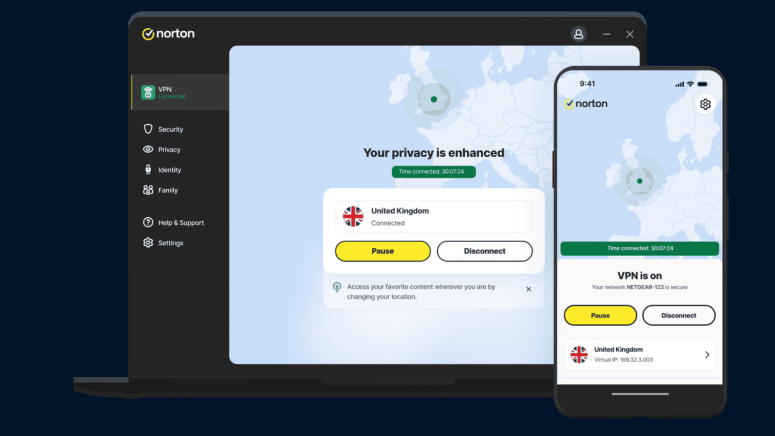
Norton VPN has unveiled a new product aimed at the growing ecosystem of AI-powered tools, positioning itself early in what could become a competitive space. The company describes its latest offering, “VPN for Agents,” as the first solution built specifically for autonomous AI agents rather than human users.
The software is currently being rolled out in a limited release through the Gen Agent Trust Hub, with access restricted to select customers.
A Shift From Human-Centered VPNs
Traditional VPN services have long been built around individual users browsing the internet. However, with AI agents increasingly performing tasks independently, such as data retrieval, automation, and multi-platform interactions, those setups are proving less effective.
In most cases today, AI agents either share a user’s VPN connection or rely on the host system’s network settings. This can limit flexibility and, at times, prevent agents from using VPN protection when needed.
Norton’s new approach separates agent activity from user environments. The company claims its AI-native architecture eliminates the need for installing apps or using command-line tools, integrating directly into how AI agents operate.
According to Norton, the platform introduces multi-tunnel and multi-location support, allowing multiple secure connections to run at the same time without interfering with one another.
How the Technology Works
The system is designed to create dedicated, encrypted channels for AI agents. Instead of relying on a single VPN connection, each agent or task can establish its own independent tunnel.
This is achieved through container-based environments powered by Docker. Each request generates a temporary VPN instance tied to a specific region, giving the agent a location-based identity for that task.
For example, an AI agent could simultaneously interact with services in different regions, such as the United States, China, and Iran, using separate VPN tunnels for each activity. Once the task is complete, the container and its associated VPN connection are automatically removed.
This setup allows multiple operations to run in parallel, offering greater flexibility and reducing overlap between tasks. It also ensures that agent traffic remains isolated from a user’s personal VPN usage.
Built for an Expanding AI Ecosystem
The product has been developed through collaboration between Gen Threat Labs and Gen AI Foundry, both part of Norton’s parent company, Gen Digital. The move reflects a broader industry trend as companies prepare for a future where AI agents may outnumber human users online.
Other VPN providers have started exploring similar ideas. Some solutions allow AI systems to control existing VPN apps, while others focus on specific environments or use cases. However, Norton’s approach differs by building a system specifically designed for AI workflows from the ground up.
Instead of modifying traditional VPN models, the company creates short-lived, task-specific connections that exist only for the duration of an operation. This “sandbox” style setup may offer advantages in terms of security and scalability.
Early Days for Agent-Focused VPNs
While Norton’s solution introduces new capabilities, its effectiveness will depend on real-world use cases and adoption. As AI agents continue to evolve, demand for secure and flexible networking solutions is expected to grow.
For now, “VPN for Agents” represents an early attempt to redefine how virtual private networks function in an AI-driven environment. With more updates planned in the near future, Norton appears set to expand its offerings in this emerging category.
Related



Get expert insights on threats, breaches, scams, and security trends — delivered every Monday.
Most Popular



Get expert insights on threats, breaches, scams, and security trends — delivered every Monday.
Most Popular