


Iran Faces Internet Shutdown Amid US Disagreement on VPN Funding
Published on February 16, 2026

Key Takeaways
- VPN Funding Dispute: US agencies clash over $10M for Iranian civilians' VPN access amidst unrest.
- Rising Demand: VPN users in Iran surged from 7.5M to 25M, stressing Open Technology Fund resources.
- Global Implications: Funding delays risk cutting secure Internet access, affecting Starlink and anti-censorship programs.
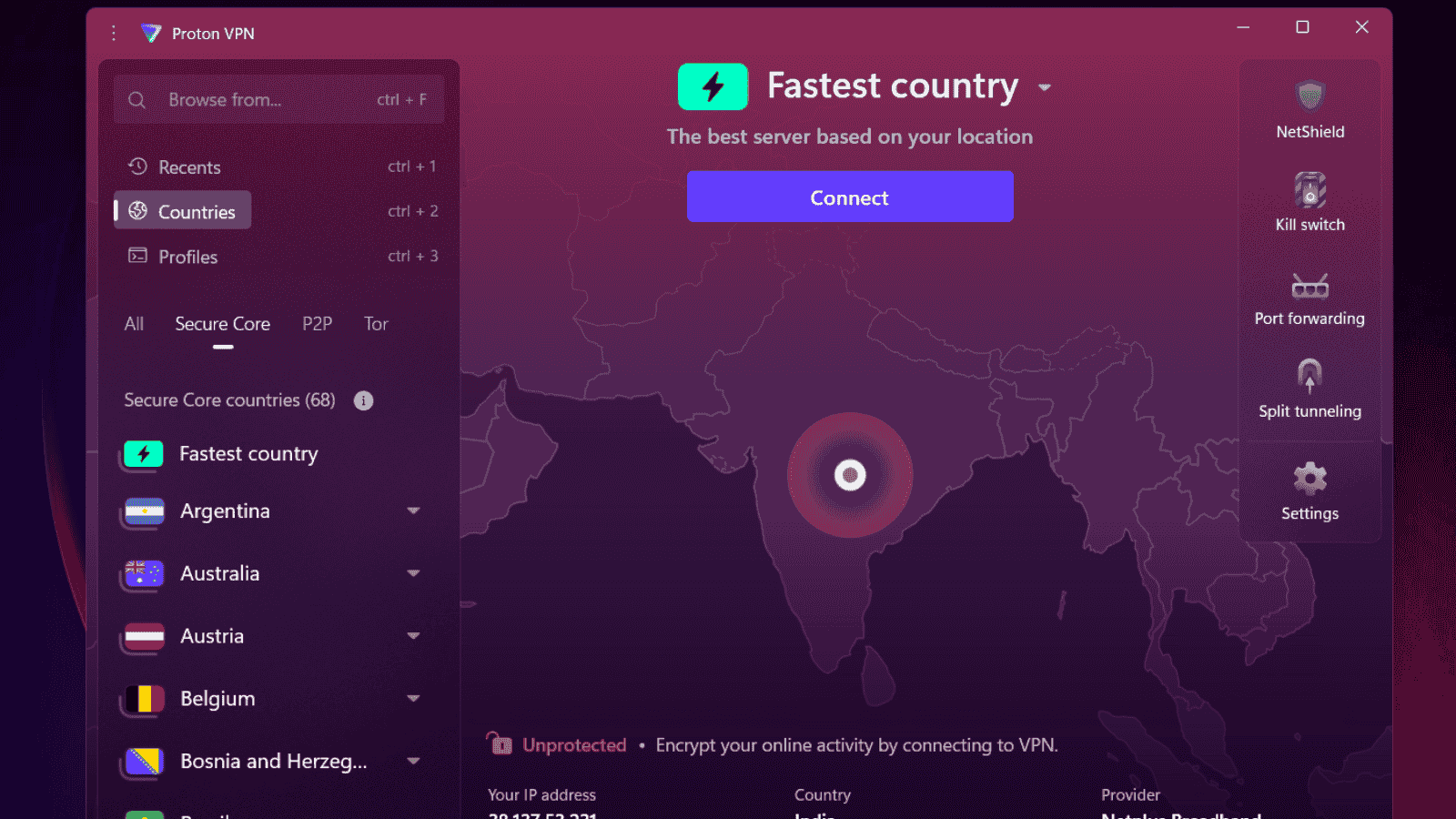
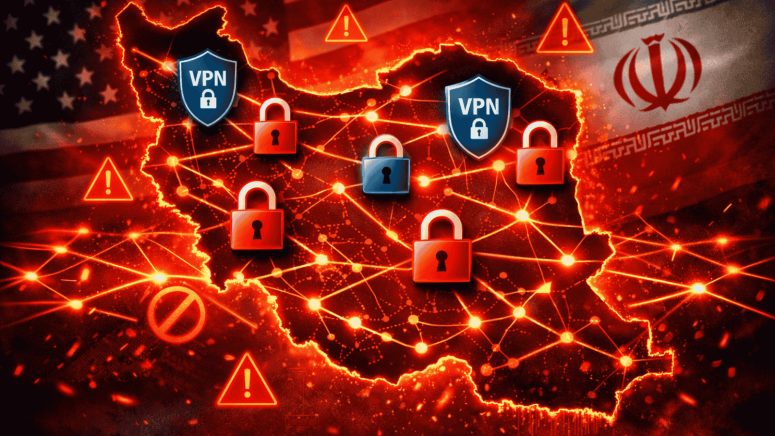
The Internet in Iran is facing disruptions as US agencies debate how to fund software that allows millions of Iranians to bypass strict government censorship. Demand for these tools has surged during weeks of domestic unrest.
The State Department, US senators from both parties, and other US agencies have proposed funding virtual private networks (VPNs) and anti-censorship programs. These tools could allow around a quarter of Iran’s population to access the Internet freely despite restrictions imposed by the Islamic regime.
Funding Disagreements Stall Support
The agencies have struggled to agree on the best way to provide $10 million to the Open Technology Fund (OTF), an organization that supports programs designed to bypass online censorship worldwide. The demand for VPN access in Iran has grown from 7.5 million to 25 million users, but OTF currently lacks the resources to support this surge.
Laura Cunningham, president of OTF, emphasized the urgency: “We need these funds yesterday. If we don’t have these resources immediately, we will be forced to make difficult decisions about cutting off millions of VPN users in Iran as soon as next week.”
Historically, OTF has received funds from the State Department through the US Agency for Global Media (USAGM), a process that typically takes one to two weeks. However, USAGM Deputy CEO Kari Lake has suggested this method would now take months and proposed using OTF’s own budget to cover the additional VPNs.
This suggestion was rejected by Republican Senators Lindsey Graham and James Lankford, who argued that reallocating $10 million from OTF’s annual appropriation would harm other global VPN support in countries like China, Cuba, and Russia.
Officials Respond
Lake stated that USAGM is working closely with the State Department to ensure access to information through VPNs and other mechanisms, despite Iranian censorship. The State Department also affirmed its commitment to helping Iranians access uncensored information, working with international partners to share funding costs.
OTF board chair Zack Cooper dismissed Lake’s explanation, saying that the State Department had already allocated $10 million for supporting VPN users in Iran and that USAGM could provide these resources if needed.
President Donald Trump has publicly supported Iranian protesters, calling regime change in Iran “the best thing that could happen.” Democratic Senators Jacky Rosen and Cory Booker also supported the funding, warning that without continuous Internet freedom programs, millions of Iranians could lose their last secure channel to the outside world.
Importance of VPNs for Iranian Civilians
Because of US sanctions, Iranians cannot purchase VPN services themselves, making nonprofit funding essential. VPNs protect users by hiding IP addresses and allow safer use of technologies like Starlink terminals set up by Elon Musk to maintain Internet access when the regime shuts it down. Cunningham stressed that without these tools, Iranians face higher risks of persecution under the government’s strict censorship measures.
Related


Get expert insights on threats, breaches, scams, and security trends — delivered every Monday.
Most Popular






Get expert insights on threats, breaches, scams, and security trends — delivered every Monday.
Most Popular