



UK Government Considers Age Restrictions on Children’s VPN Use After Consultation
Published on February 17, 2026

Key Takeaways
- UK VPN age restriction proposal: Government may limit children's VPN access following consultation to strengthen online safety enforcement powers nationwide.
- New legislative powers planned: Amendments would let ministers implement safety rules quickly, but Parliament approval remains required before enforcement.
- Privacy concerns and industry response: Critics warn age verification could undermine privacy, while VPN providers await government consultation engagement process.
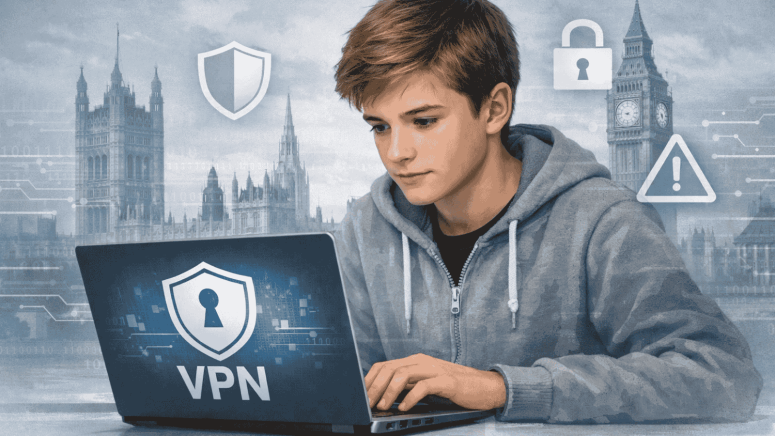
The UK government has confirmed it may introduce age restrictions or limits on children’s use of VPN services if they are found to weaken online safety protections. The announcement follows a three-month consultation focused on strengthening digital safety rules and closing gaps that could expose minors to harmful content.
In a recent press release, officials said they plan to introduce new powers that would allow ministers to implement online safety measures more quickly. While social media platforms remain a major focus, the explicit mention of VPNs indicates that privacy tools could also face new rules in the future.
An update published on February 16 included an exclusive response from the Department for Science, Innovation and Technology (DSIT), which emphasized that the consultation aims to balance child safety with the legitimate privacy and security benefits VPNs provide.
Proposed Legal Changes Could Enable Faster Action
The government is expected to propose amendments to the Children’s Wellbeing and Schools Bill. These changes would give ministers greater authority to act quickly on digital safety concerns. However, any major step, such as requiring VPN providers to verify users’ ages, would still need approval through a final vote in Parliament before becoming law.
Previously, the House of Lords passed its own amendment to the bill. This proposal would require VPN providers to implement “highly effective” age-verification systems. However, this amendment is likely to be reversed by the House of Commons in favor of the government’s broader consultation process.
It is still unclear how VPN providers would technically carry out age checks if such requirements are approved.
Critics Warn of Privacy Risks and Overreach
The possible restrictions have drawn criticism from privacy advocates and public figures. Jimmy Wales, co-founder of Wikipedia, described the proposal as “an embarrassment.” Civil liberties group Big Brother Watch called the plan a “draconian crackdown,” arguing that forcing users to verify their age undermines the purpose of VPNs, which are designed to enhance online privacy.
Some politicians have also expressed doubts about the likelihood of strict VPN bans. Lord Knight of Weymouth previously suggested that despite strong rhetoric, few lawmakers would push aggressively for such sweeping restrictions.
Privacy organizations have also warned that mandatory age checks could put vulnerable individuals at risk, especially those who rely on VPNs for protection and anonymity.
Government Says Consultation Will Consider All Perspectives
In response to the criticism, DSIT stated that it recognizes the legitimate role VPNs play in protecting online privacy and security. The department said the consultation is intended to gather feedback from all stakeholders, including VPN providers and digital rights groups, to ensure any measures are balanced and proportionate.
Officials stressed that the main goal is to ensure children have safer online experiences. The government said it will rely on evidence and stakeholder feedback to determine the most appropriate approach.
Technology Secretary Liz Kendall said ministers are already engaging with parents and civil society groups. She noted that families have consistently called for stronger and faster action to improve online safety for children.
Prime Minister Keir Starmer echoed this position, stating the government is working to close safety loopholes and prepare additional protective measures.
VPN Providers Open to Dialogue but Await Contact
Major VPN companies have said they are open to discussions with authorities. However, representatives told TechRadar that they had not been contacted by the government at the time of the initial announcement.
The Prime Minister is expected to share more details about the proposed measures later this week. These developments could significantly affect how VPN services are accessed and regulated in the UK.
TechNadu will continue monitoring the situation and provide updates as the consultation progresses and further decisions are made.
Related



Get expert insights on threats, breaches, scams, and security trends — delivered every Monday.
Most Popular




Get expert insights on threats, breaches, scams, and security trends — delivered every Monday.
Most Popular