


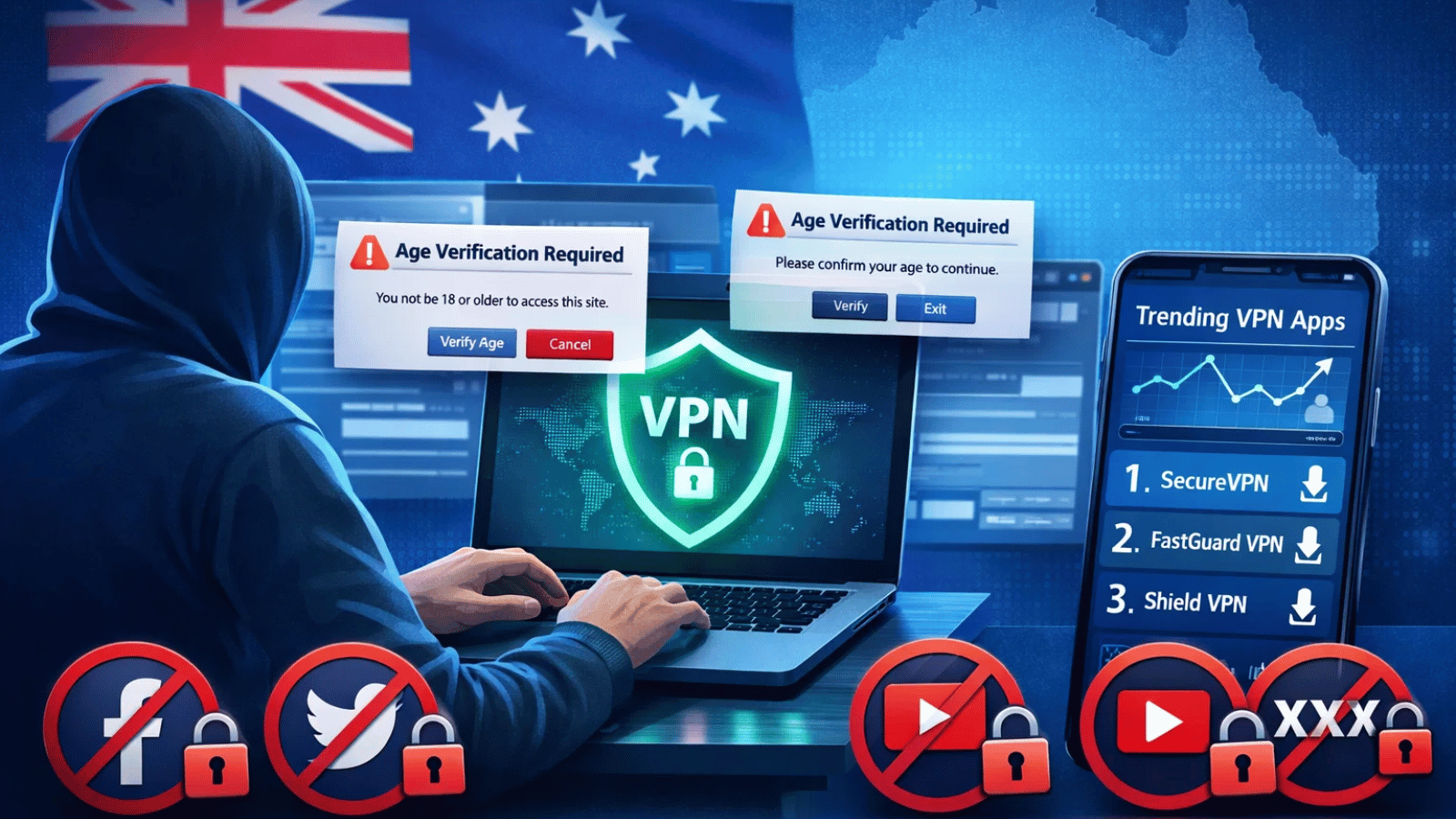
UK Children’s Wellbeing Bill Raises Privacy and Encryption Concerns
Published on December 22, 2025

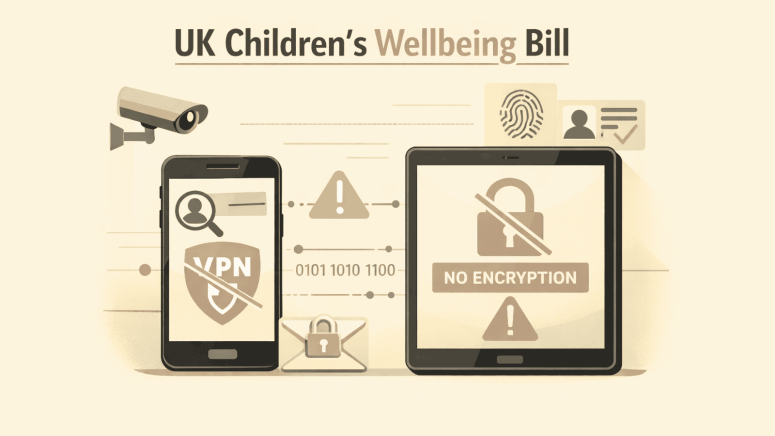
- Privacy Impact: UK Children’s Wellbeing Bill mandates client-side scanning, potentially banning end-to-end encryption and open-source operating systems.
- VPN and Age Checks: Bill restricts VPNs for children and enforces age verification, affecting anonymous communication and whistleblowing.
- Global Concerns: Critics warn these measures could set a worldwide precedent for intrusive state surveillance.
The UK government has introduced new measures under the “Children’s Wellbeing and Schools Bill” that could significantly impact data privacy and encryption. The proposals include mandatory client-side scanning on all phones and tablets used in the UK.
What the UK Children’s Wellbeing Bill Proposes
Lawmakers state that “any relevant device supplied for use in the UK must have installed tamper-proof system software which is highly effective at preventing the recording, transmitting (by any means, including livestreaming) and viewing of CSAM using that device.”
In practice, this would mean continuous scanning of all activity on phones and tablets, potentially banning end-to-end encryption and open-source operating systems such as GrapheneOS. Users may also be restricted from having administrative control over their own devices.
VPNs and Age Verification
The bill also includes measures targeting VPN usage. It seeks to prohibit VPN services for children in the UK and requires regulated user-to-user services to implement “highly-effective age assurance measures.” This could involve identity verification for users under 16, potentially limiting anonymous communication, whistleblowing, and other privacy-sensitive activities.
Wider Implications
Privacy advocates warn that these measures could set a global precedent for state surveillance and intrusion into private communications. Critics argue that while the bill is framed as protecting children, it risks undermining secure digital communication for all users.
The debate highlights the ongoing tension between security measures and digital privacy, with experts calling for transparency from lawmakers and stronger protections for user data.
Related


Get expert insights on threats, breaches, scams, and security trends — delivered every Monday.
Most Popular






Get expert insights on threats, breaches, scams, and security trends — delivered every Monday.
Most Popular