


Denmark Proposes VPN Restrictions to Tackle Illegal Streaming
Published on December 16, 2025

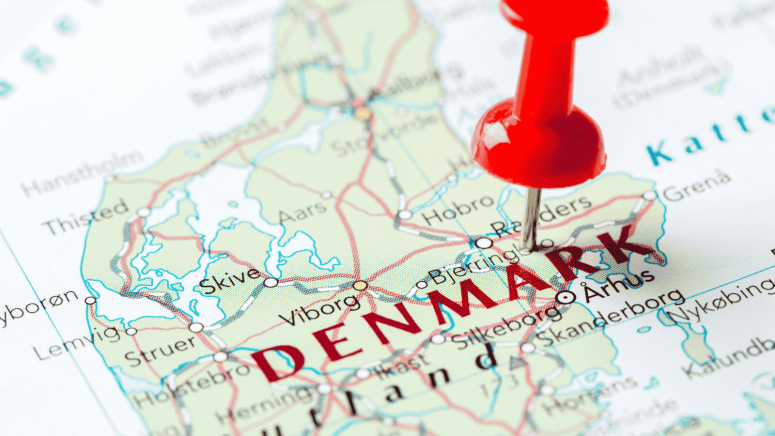
- Proposed VPN Rules: Denmark brings forth the proposal for VPN restrictions to access geo-blocked or illegal streaming websites nationwide.
- Government Position: Officials clarify bill targets piracy, not privacy, and a full VPN ban is not planned.
- Privacy Concerns: Experts warn limiting VPNs could undermine legitimate uses and raise censorship worries in Europe.
The Danish government is seeking public feedback on proposed changes to its laws that could restrict the use of VPNs to access certain online content. The amendments, aimed at curbing illegal streaming, could affect how residents use VPNs for media and other online services.
Proposed VPN Restrictions
Under the current draft, the government plans to limit VPN use for accessing media content not officially available in Denmark and to prevent access to blocked or illegal websites. The proposal does not yet detail how these restrictions would be enforced.
Officials stated that the law would be tech-neutral, designed to cover future developments. According to the draft document, the broad language is intentional to allow authorities to address emerging technologies used for piracy.
The proposal clarifies that existing laws primarily target illegal decoders and equipment, which are no longer the main tools for piracy.
Global Context for VPN Use
Using VPNs to access geo-restricted content is generally not illegal worldwide, though it may violate the terms of service of streaming platforms. For example, watching U.S. Netflix from another country via a VPN is legal, even if it breaches Netflix's rules.
In the UK, VPN use increased after the Online Safety Act (OSA) went into effect, as some users tried to bypass age verification checks on certain platforms. However, politicians there have confirmed they do not plan to ban VPNs outright, acknowledging their many legitimate uses.
Experts argue that the responsibility should lie with platforms to confirm user locations rather than restricting privacy-preserving tools. Dan Sexton, CTO at the Internet Watch Foundation, noted that young people bypassing content restrictions is mainly due to other countries not blocking harmful material, not VPN availability.
Denmark VPN Restrictions and Privacy Concerns
While Denmark is not proposing a complete VPN ban, the government’s approach of targeting VPNs and similar technologies has raised concerns among privacy advocates. Paige Collings of the Electronic Frontier Foundation warned that restricting VPNs could be seen as a form of censorship rather than safety enforcement.
Culture Minister Jakob Engel-Schmidt dismissed claims of a total VPN ban as “fake news,” emphasizing that the bill is limited in scope.
The public debate over VPN restrictions comes amid a wider European conversation on tech regulation. The EU's Chat Control proposal, which would require platforms to scan encrypted messages for harmful content, has sparked similar privacy concerns. Denmark initially supported this regulation but stepped back after opposition from Germany in October. The current VPN consultation may heighten public unease about Denmark’s approach to privacy-preserving technologies.
Related




Get expert insights on threats, breaches, scams, and security trends — delivered every Monday.
Most Popular





Get expert insights on threats, breaches, scams, and security trends — delivered every Monday.
Most Popular