



Wholesale and Retail Sector Faces Critical Supply Chain Risks, Black Kite TPRM 2026 Report Says
Published on January 21, 2026


Key Takeaways
- Supply Chain Vulnerability: Reports indicate a critical escalation in cyber risks targeting the wholesale and retail sectors through third-party vendors.
- Ransomware Persistence: Ransomware remains a top threat vector within the retail digital supply chain, increasingly targeting indirect vendor connections.
- Compliance Pressure: Evolving regulatory standards in 2026 are forcing wholesale retailers to rapidly mature their TPRM to avoid penalties and reputational damage.
The release of the Black Kite Wholesale Retail TPRM Report 2026 provides an assessment of the cybersecurity landscape facing the commerce sector. As retailers continue to digitize operations and expand their vendor ecosystems, the attack surface has grown exponentially. One of the most alarming findings is that most major companies have had their credentials exposed by infostealers.
Escalating Third-Party Risk Management in Retail
The report highlights that third-party risk management (TPRM) in retail is no longer a backend compliance exercise but a frontline defense necessity. Retailers are increasingly interconnected with logistics providers, payment processors, and cloud services, creating a complex web of dependencies.
The report underscores that visibility into these fourth-party and Nth-party relationships remains a significant blind spot for many organizations.
Wholesale Cybersecurity Risks and Vendor Exposure
A key focus of the 2026 analysis is the wholesale sector's specific vulnerability, where cybersecurity risks have intensified as threat actors pivot toward targets that possess high-volume transaction data and time-sensitive logistical operations.
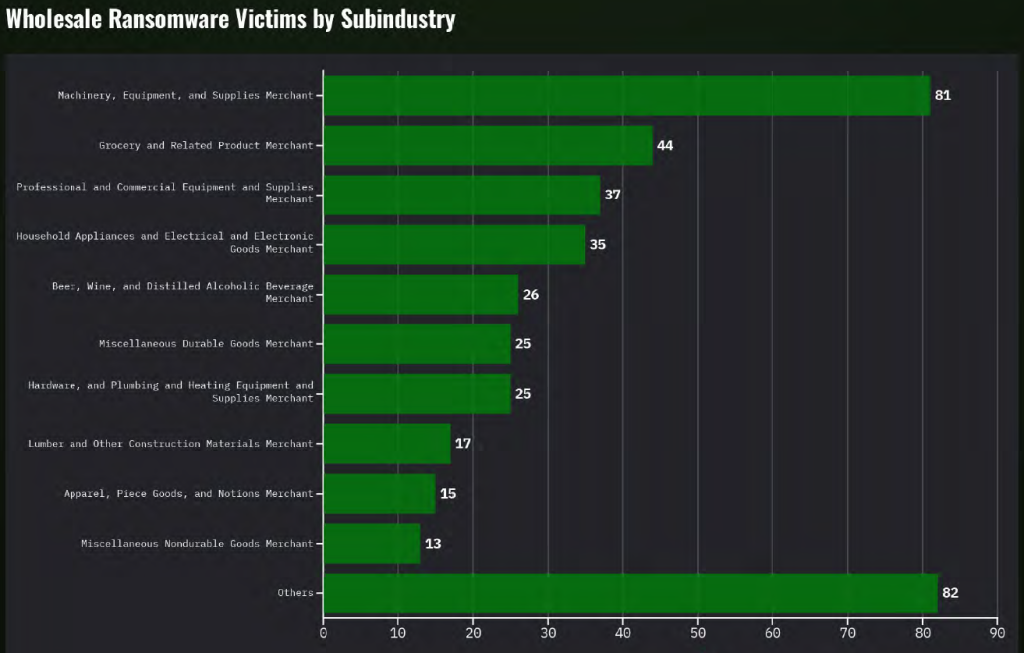
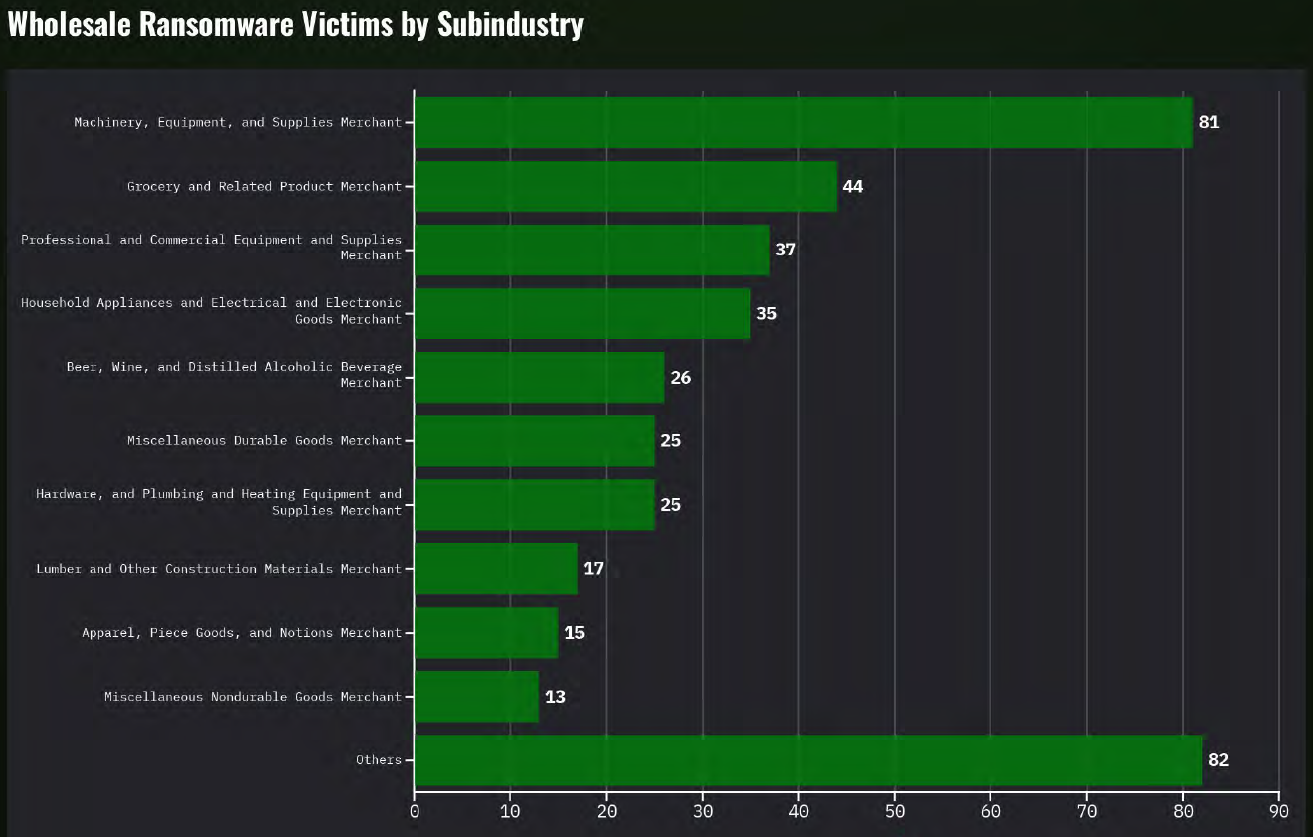
The report details how attackers are exploiting unpatched vulnerabilities and weak access controls within the vendor network to infiltrate wholesale environments.
Exposed credentials affect over 70% of major retailers, nearly 60% of wholesalers, and 52% of the supply chain, as stealer logs and leaked credentials currently pose a prominent risk.
Also, among ransomware targets, 17% of retail victims had over $1 billion in revenue, and 39% of wholesale victims had mid-market revenue of $20–$100 million, indicating that attackers focus on fewer high-value retail targets and more mid-size wholesale companies.
TPRM Trends 2026 and Strategic Recommendations
Looking ahead, the report outlines essential TPRM trends for 2026 that security leaders must address. There is a clear shift away from periodic assessments toward continuous, automated monitoring of vendor risks.
Report recommendations include:
- Securing the most important weak points across partners,
- Patching or requiring the patching of CIS KEV Catalog vulnerabilities,
- Auditing the patching status of vendors.
In a different report this month, security researchers announced that dozens of global companies were breached using infostealer credentials, including in aviation, defense, and engineering.
Related






Get expert insights on threats, breaches, scams, and security trends — delivered every Monday.
Most Popular


Get expert insights on threats, breaches, scams, and security trends — delivered every Monday.
Most Popular