



Venezuela Domain Surge Signals Geopolitical Cyber Activity of Opportunistic Threat Actors Looking to Steal PII and Financial Data
Published on January 22, 2026

Key Takeaways
- Opportunistic Threats: An increase in Venezuela-related domain registrations indicates that actors aim to exploit geopolitical uncertainty for financial fraud and PII harvesting.
- Operational Tactics: These domains are precursors to phishing and disinformation campaigns, leveraging emotionally charged content to manipulate public sentiment.
- Strategic Defense: BforeAI researchers recommend emphasizing context and verification during fast-moving geopolitical events to reduce the spread of manipulated narratives.
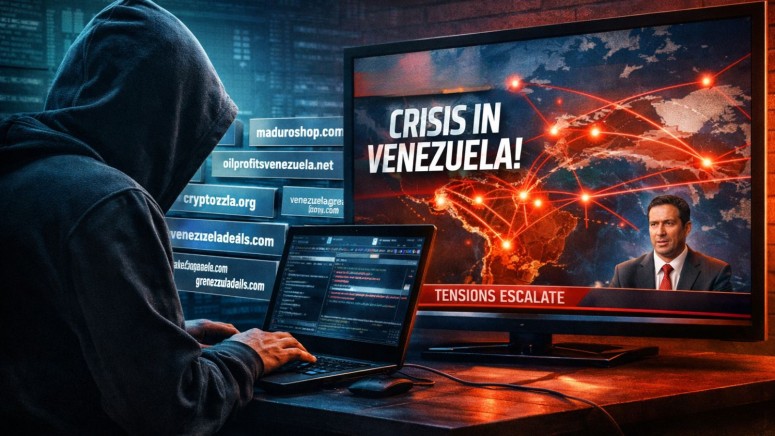
Threat researchers identified 829 suspicious domain registrations related to U.S. actions in Venezuela between December 2025 and January 2026. Cybercriminals launched campaigns themed around merchandise, real estate, energy, and cryptocurrency to defraud individuals interested in the developing situation.
The rapid spike in registrations, with 546 domains created between January 3 and 5 alone, points to opportunistic actors capitalizing on the information vacuum, possibly targeting the harvesting of Personally Identifiable Information (PII), the execution of financial fraud, and the monetization of sentiment-driven engagement.
Indicators of Opportunistic vs. State-Sponsored Activity
While geopolitical cyber activity is often attributed to state-sponsored Advanced Persistent Threats (APTs), the characteristics of this specific surge suggest a different origin, according to a recent report from PreCrime Labs, the research division of BforeAI.
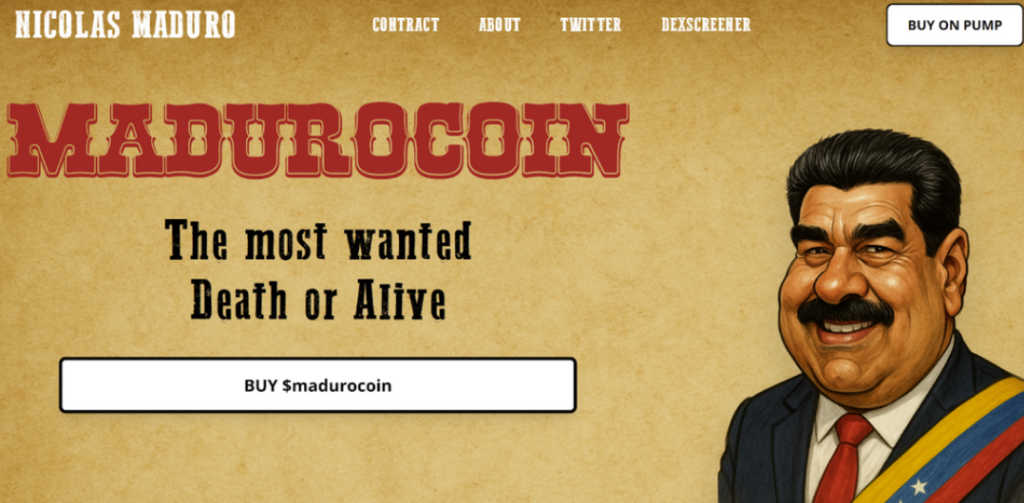
Rapid, high-volume domain registration spikes align closer with opportunistic groups attempting to swiftly capitalize on heightened tensions rather than APTs, BforeAI’s researcher Rishika Desai told TechNadu. These actors utilize the information vacuum to establish narratives or profit from the confusion, rather than engaging in prolonged espionage.
The majority of the observed domains are related to merchandise and fraudulent online shops, with others targeting the real estate, energy, and cryptocurrency sectors. The most used registrar was GoDaddy, with 322 registrations, and the U.S. led the list with 84 registrations so far.
Keywords such as "maduro," "venezuela," "oil," and "makevenezuelagreatagain" were prevalent. As of the report's publication, over 60% of the suspicious domains were either for sale, under construction, or in a parked state.
Mitigating Risks from Disinformation Campaigns
The operational lifecycle of these domains typically transitions from registration to active disinformation campaigns and phishing. Malicious entities register domains early to build legitimacy before deploying content designed to evoke strong emotional responses.
To maintain cybersecurity during geopolitical events, Desai recommends a defensive posture of restraint. Enterprises should pause before reacting to emerging narratives, journalists must rigorously verify context, and the public should resist acting on emotionally provocative content to avoid amplifying false information.
Threat actors exploit emotionally charged narratives to spread disinformation and lure victims into interacting with malicious calls to action. In another case that exploited the Venezuela crisis, Chinese spies targeted U.S. officials in a phishing campaign that deployed a backdoor.
Related






Get expert insights on threats, breaches, scams, and security trends — delivered every Monday.
Most Popular
Get expert insights on threats, breaches, scams, and security trends — delivered every Monday.
Most Popular