



Poland Bans Chinese Vehicles from Military Facilities Over Spying Concerns
Published on February 19, 2026

Key Takeaways
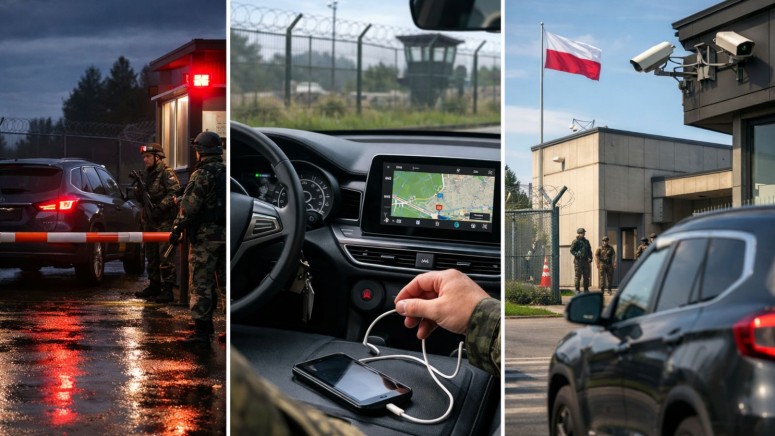
- Security Measure: The Polish Army has barred Chinese-made vehicles from entering military facilities due to concerns over potential sensitive data collection by onboard sensors.
- Operational Restrictions: Connecting company phones to infotainment systems in Chinese-manufactured cars is now prohibited to prevent confidential information leakage.
- NATO Alignment: The precautionary measures align with NATO member states' security standards for protecting defense infrastructure.
The Polish Army has officially announced a ban on Chinese-made vehicles entering military facilities, citing significant security risks associated with modern automotive technology. The decision stems from concerns that onboard systems in these vehicles could be used to collect and transmit sensitive data.
While the ban is comprehensive for secure zones, the army clarified that vehicles might still be permitted if specific functions are disabled and strict safeguards are met.
New Policy Details and Restrictions
To further mitigate the risk of espionage, the military has also banned connecting official company phones to the infotainment systems of vehicles manufactured in China. This step is designed to prevent unauthorized access to confidential information stored on mobile devices.
“The restrictions also apply to other motor vehicles equipped with integral or additional devices capable of recording position, image, or sound,” the Polish Army said on Tuesday.
However, the Chinese vehicles ban policy includes exceptions: the restrictions do not apply to publicly accessible military locations such as hospitals, clinics, libraries, prosecutors' offices, or garrison clubs, or to emergency situations.
Alignment with NATO Security Standards
The Polish Ministry of Defence emphasized that these restrictions are precautionary and necessary to maintain high standards of protection for defense infrastructure. The policy aligns with broader NATO security standards and practices, adopted by allied nations wary of integrating foreign technology into sensitive sectors.
By limiting the presence of surveillance tools within military facility security perimeters, Poland aims to safeguard its operational secrecy and align its protocols with those of its alliance partners.
This move reflects a growing wariness regarding Chinese car data concerns and the potential for espionage through connected devices. China-linked hackers UNC6384 targeted European diplomatic entities in an espionage campaign in October, while researchers observed the China-Nexus espionage APT, UAT-7290, moving its telecom infrastructure campaign from South Asia to Southeastern Europe.
Last month, Chinese-linked Salt Typhoon hacked the U.S. House Staff emails and Poland detained a Defense Ministry employee on suspicion of spying for Russian and Belarusian intelligence. In March 2025, a Polish Space Agency cyberattack was acknowledged by the government.
Related






Get expert insights on threats, breaches, scams, and security trends — delivered every Monday.
Most Popular
Get expert insights on threats, breaches, scams, and security trends — delivered every Monday.
Most Popular