


Give to Gain: Women Cybersecurity Professionals Reflect on Building Security on International Women’s Day 2026
Published

A woman can bring stability, energy, and kindness in ways that make life warmer and stronger. This International Women’s Day 2026, the theme encapsulates a spirit of nurturing and fostering kindness: Give to Gain.
Mother Teresa shared the right message of balance and appreciation, saying, “I can do things you cannot, you can do things I cannot; together we can do great things.”
Put this together, and we open a doorway to immense possibilities that strengthen us to overcome our biggest weaknesses, with what could save the world by giving and receiving.
This International Women’s Day, the TechNadu team takes great pride in bringing voices of women leaders who speak about their deepest fears, biggest lessons, clearest vision, and highest goals as part of our LeadHER in Security interviews.
We asked leading women security professionals about their experiences and what it takes to build an enterprise. They shared their most cherished stories, harshest lessons, strongest beliefs, and their vision for cybersecurity.
We feel their thoughts will often be revisited because they are grounded in experience, taking shape in the furnace that burns ego and builds women in and for security.
LeadHer In Security: International Women’s Day 2026
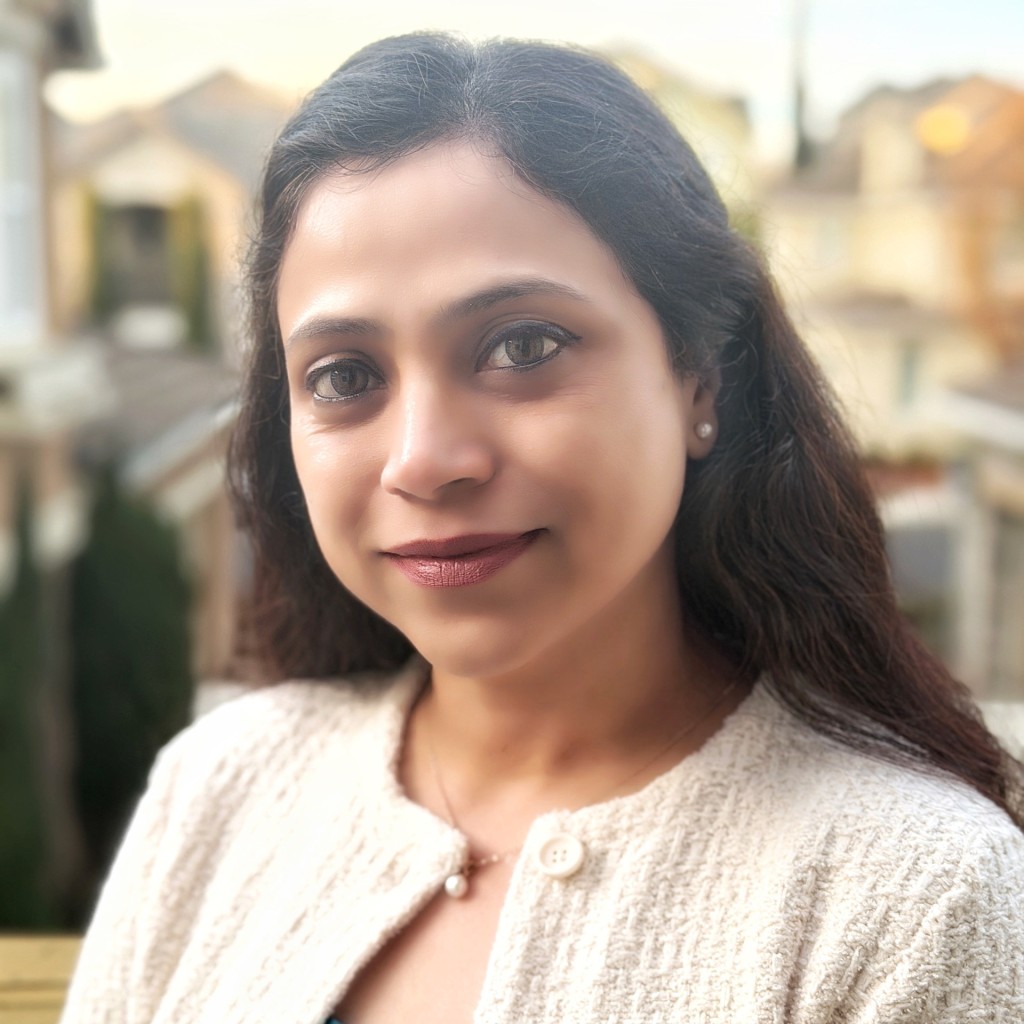
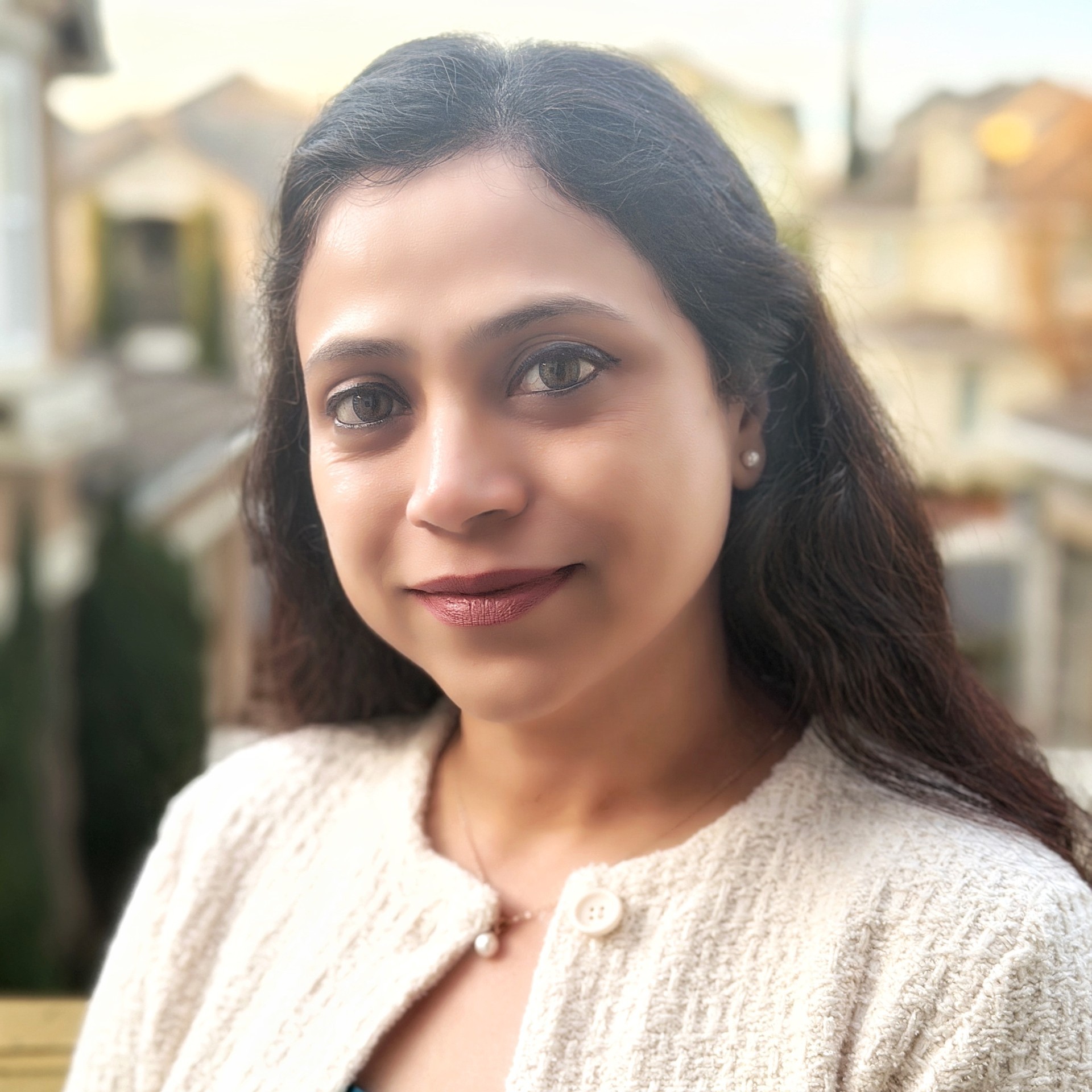
Bithika Nathan, Author and Founder, Dr. Phish Labs - "Seeking support is a practical step toward regaining control, not a sign of failure."
"When I read about a cyber incident, I don’t ignore the headline technical breach itself; it matters. But I slow down there. I want to understand what sat around it. The human choices. The system behaviors. The small moments that quietly shaped the outcome. The exploit is often the final move, not the opening one."
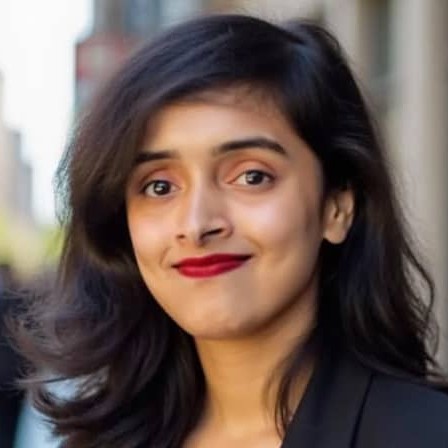
Nabanita De, CEO and Founder, Privacy License -"Professionals who understand both the technical and policy dimensions are rare and incredibly valuable. When you find them, give them the organizational support and authority to drive alignment."
"There is a massive translation gap between what policies say in natural language and what engineers can actually implement in code. A policy might state "personal data should only be retained as long as necessary for the original purpose." That sounds clear until you try to implement it."
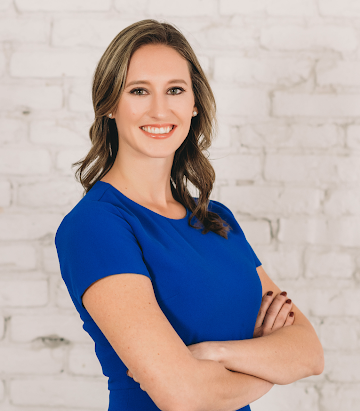
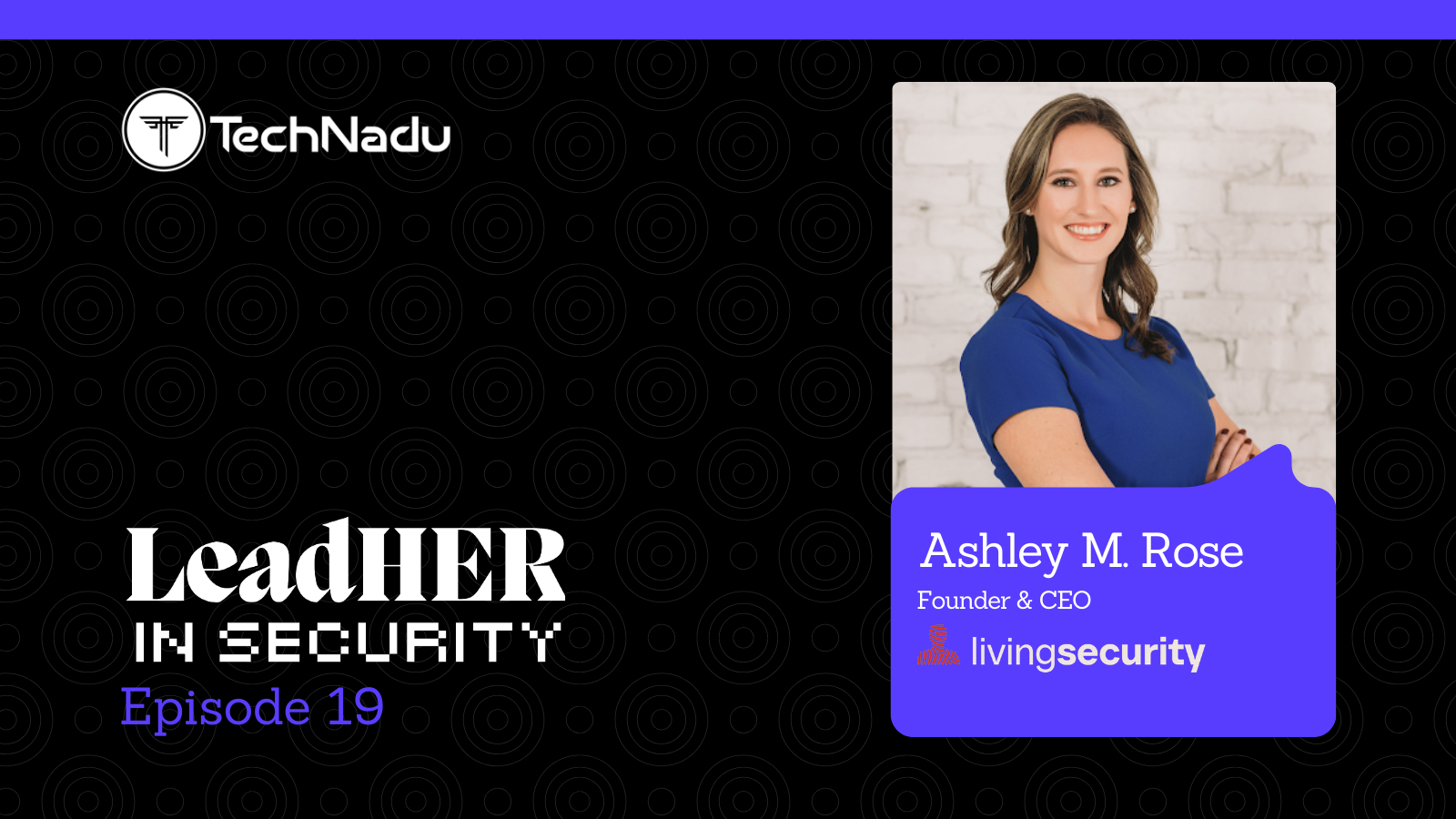
Ashley M. Rose, CEO and Founder, Living Security - "In real ransomware incidents, it is rarely useful to separate human behavior from technical failure."
"Employees take their cues from what leaders tolerate and model, not from policy documents. If leaders bypass controls, demand exceptions, or treat security as an obstacle, the organization absorbs that lesson immediately."
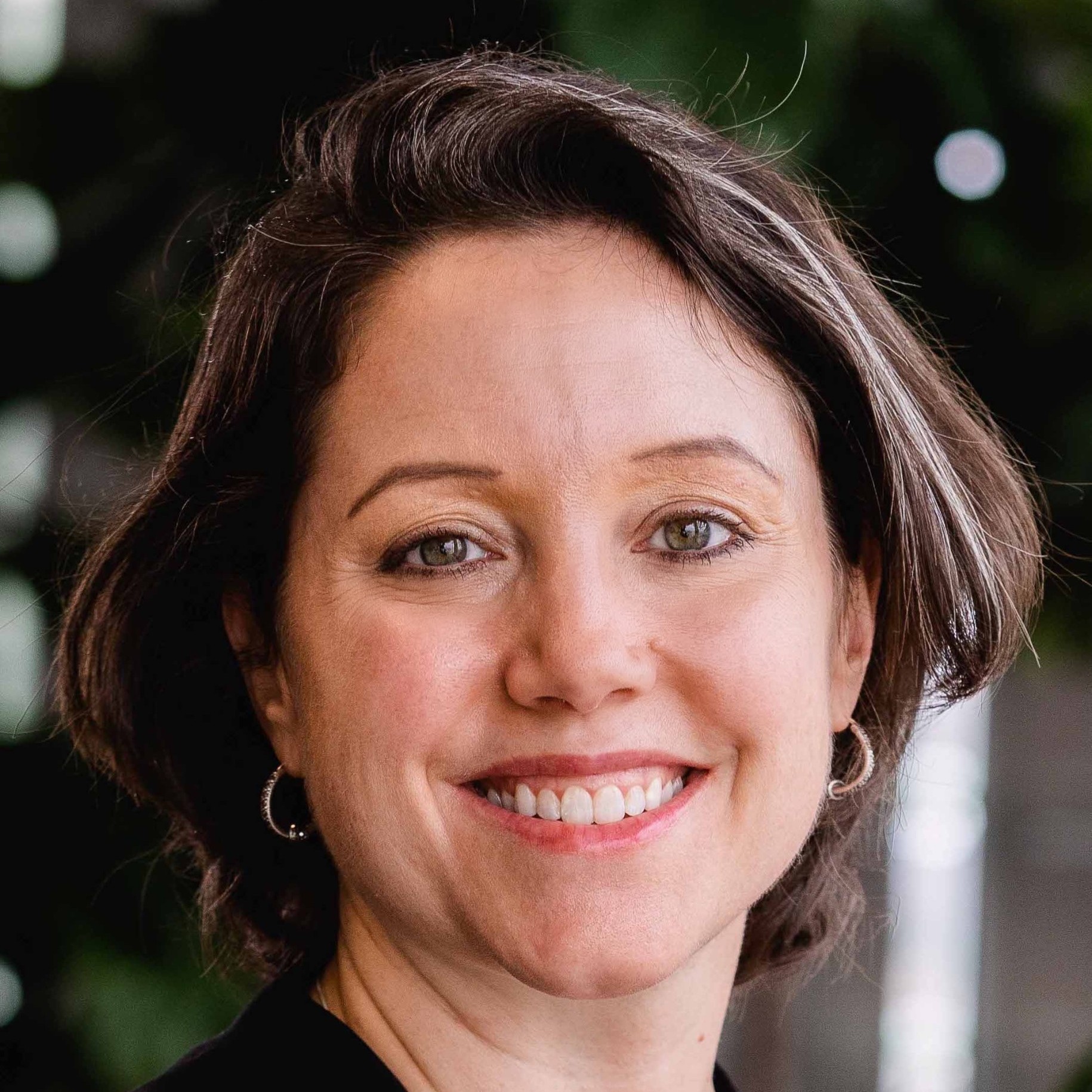
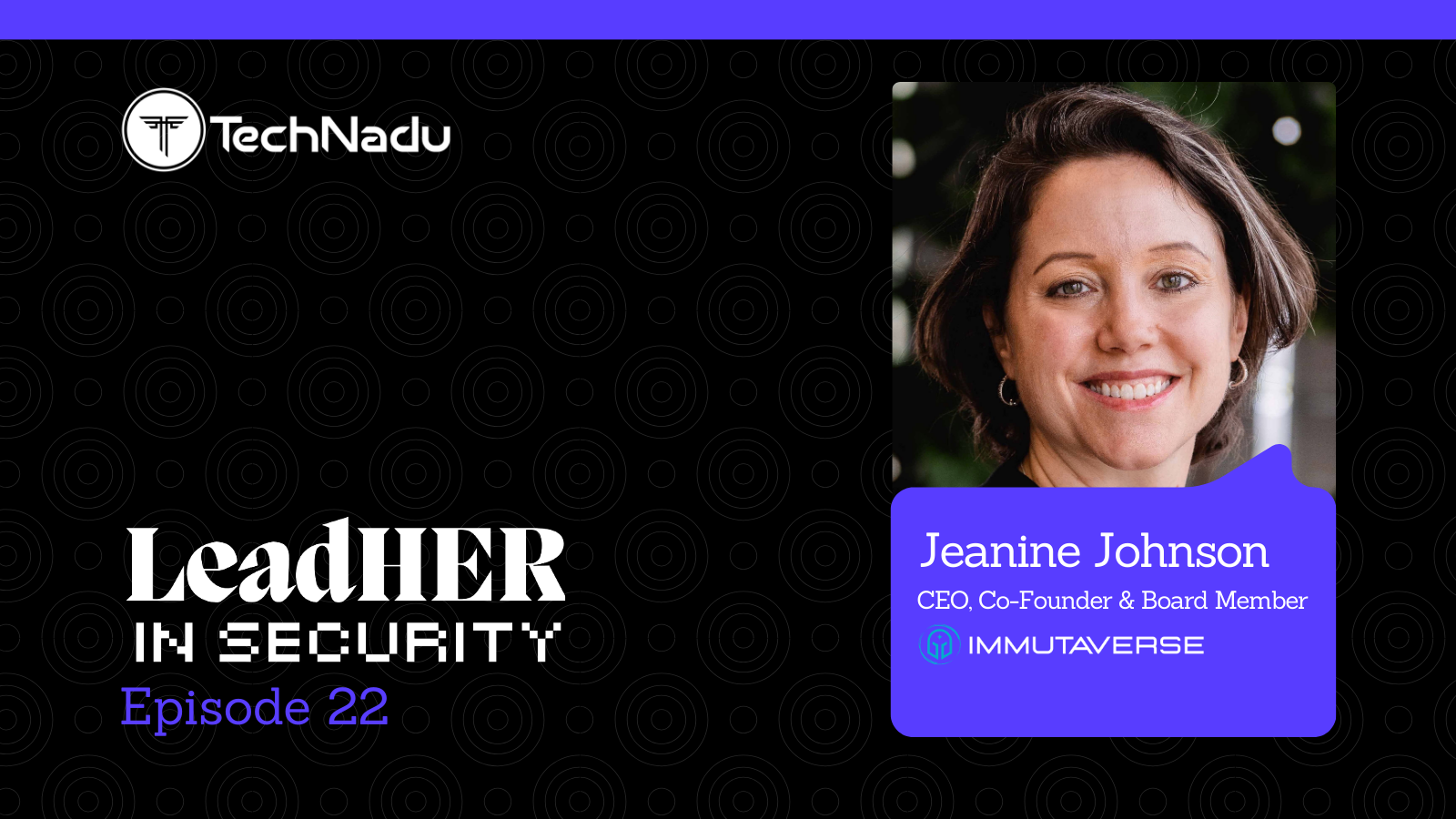
Dr. Jeanine Johnson, CEO, Co-Founder, and Board Member, Immutaverse - "Adaptability is the difference between reacting and leading"
"Clarity is power. I’ve found that I don’t need to mirror someone else’s style nor to any board culture that may exist to be effective. Precision, consistency, and being rigourously grounded in facts have served me well over the years in my board roles."
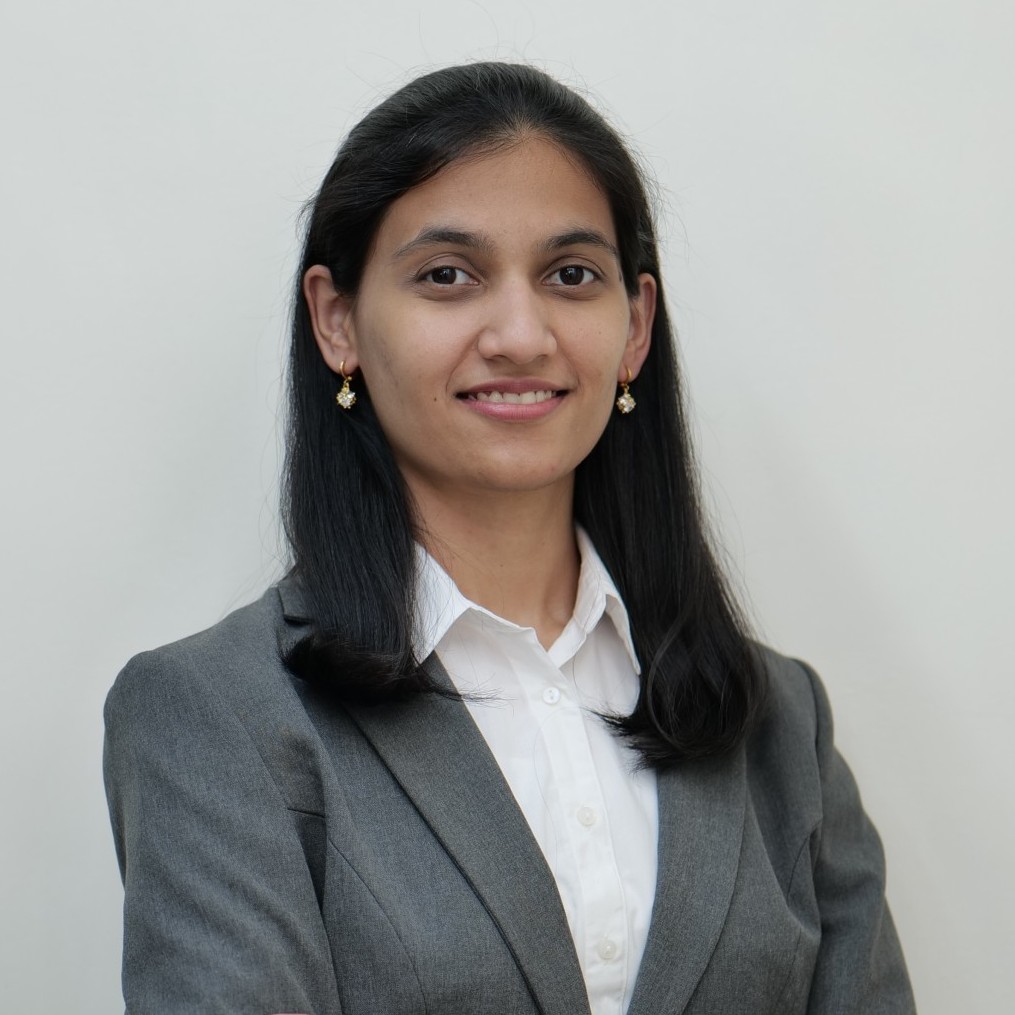
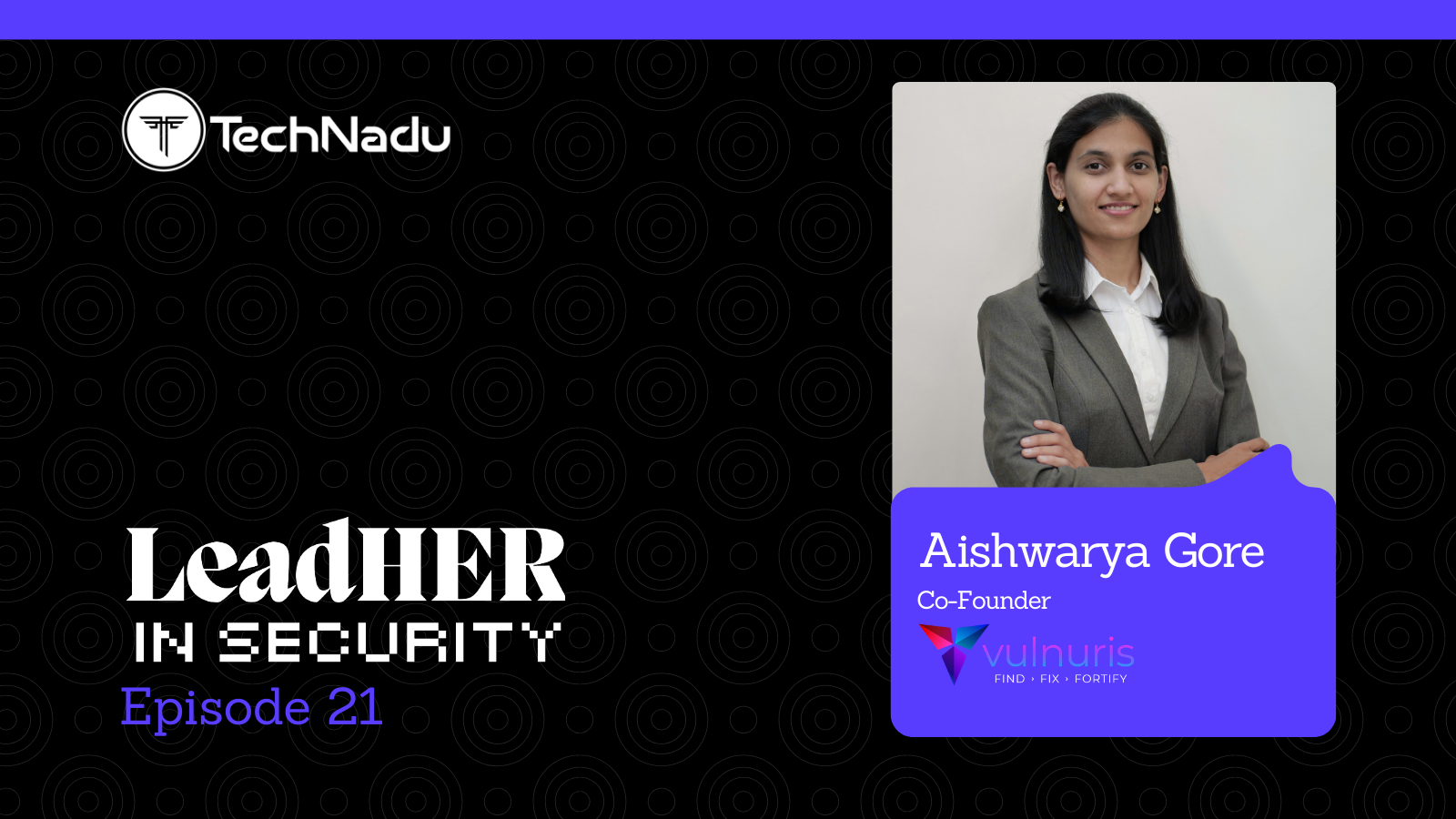
Aishwarya Gore, Co-Founder, Vulnuris - "What strengthened my leadership wasn’t a single breakthrough moment, but repeatedly choosing transparency, responsibility, and long-term trust over short-term comfort."
"Many organizations focus only on fixing critical and high-severity findings. Medium and low issues are often deprioritized or ignored altogether. But in real attacks, those are exactly the issues attackers rely on."
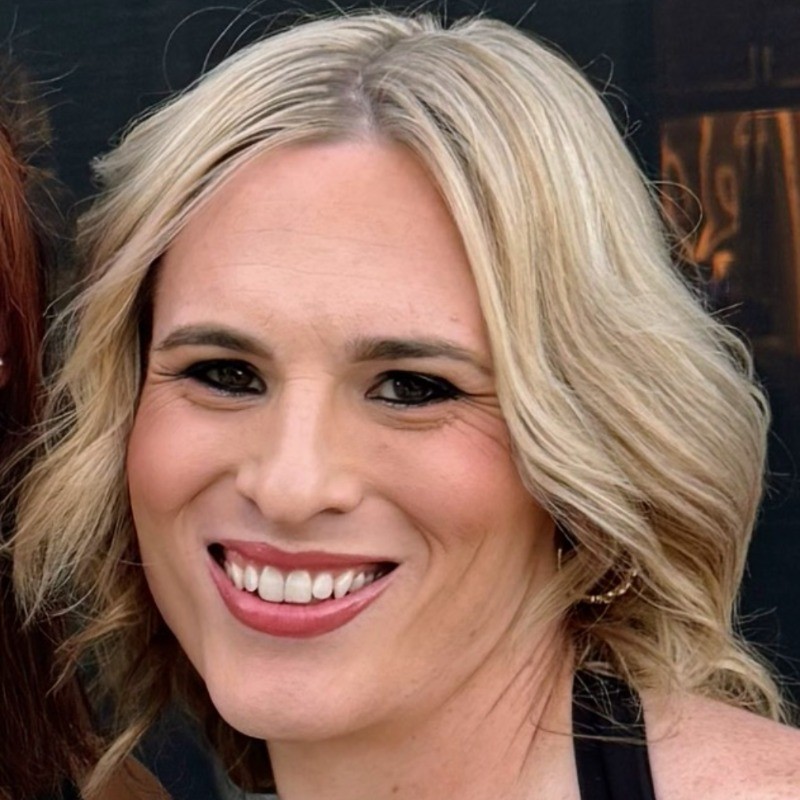
Riley Kilmer, Co-Founder & Chief Innovation Officer, Spur Intelligence Corporation -"Teams improve when leaders are intentional about whom they back, and willing to make that backing visible. "
"Being known for doing solid work and engaging constructively gives you resilience in a field with constant churn. It also matters to speak up when you are challenged, especially when your position is grounded in real understanding. You don’t need to win every argument, but you should not train yourself to disappear."
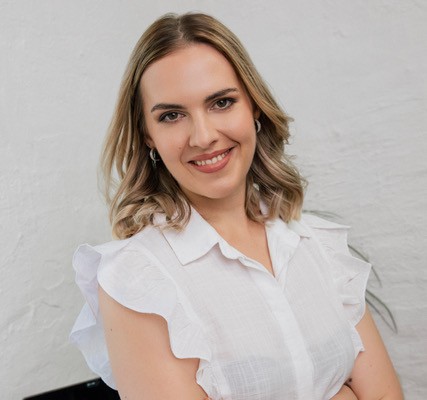
Harriet Farlow, CEO & Founder, Mileva Security Labs - "Leadership at the frontier is very different from leadership in an established field — there is no template, no playbook, and often no validation for years."
"I always find this question difficult because women are not a homogenous group — everyone arrives with different motivations, concerns and ambitions. What I would say, for anyone entering cybersecurity, is that the ability to take a risk and then commit to it fully is crucial."
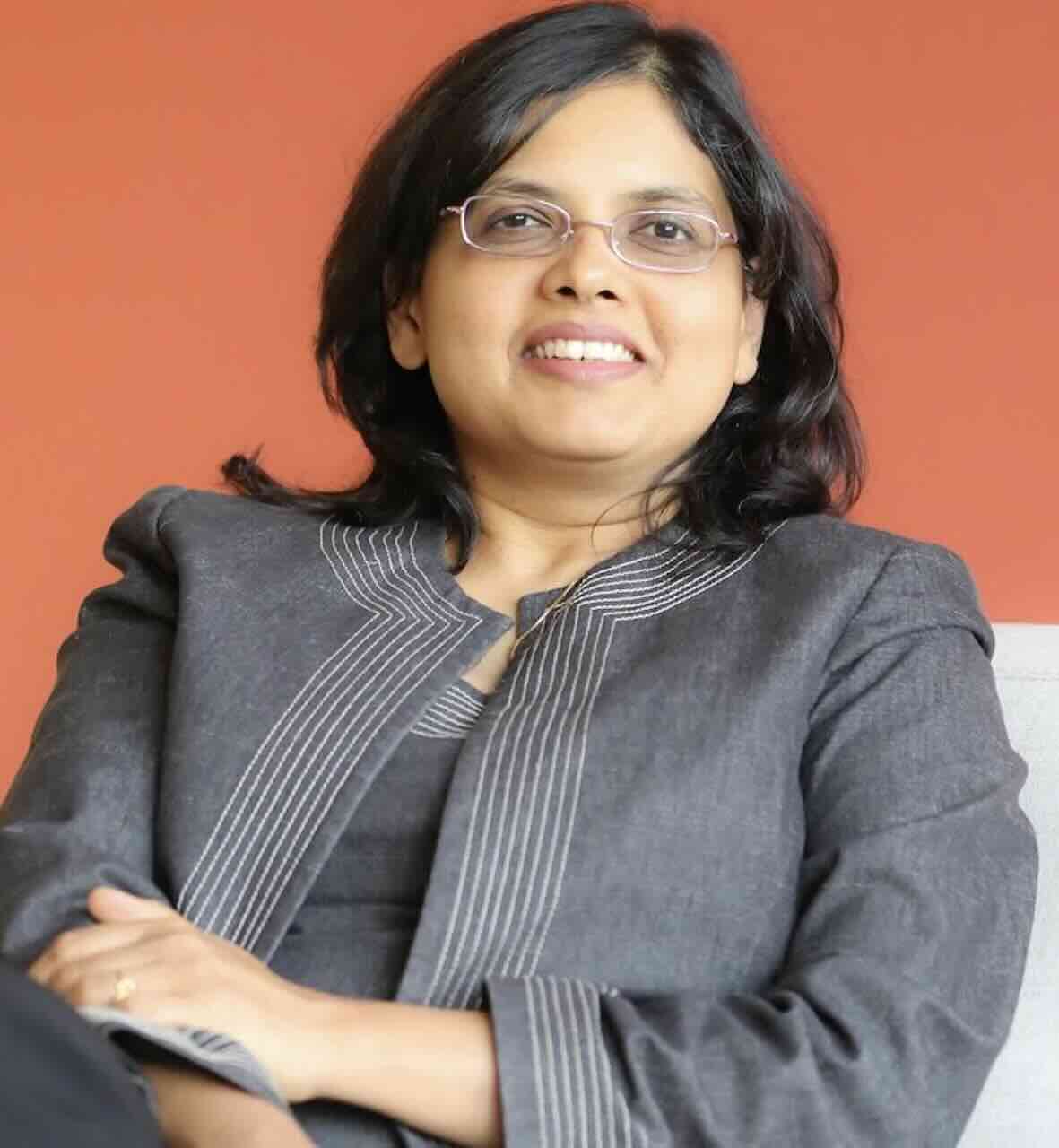
Yogita Parulekar, CEO & Founder, Invi Grid Inc - "There are security tools, policies, and access that are aimed to reduce risk. These women cybersecurity leaders are empathetic towards victims, and do not hesitate questioning what doesn't seem to help the goal."
"When automation moves faster than governance can be reviewed or updated, the sustainable approach is to embed governance directly into the automation itself."
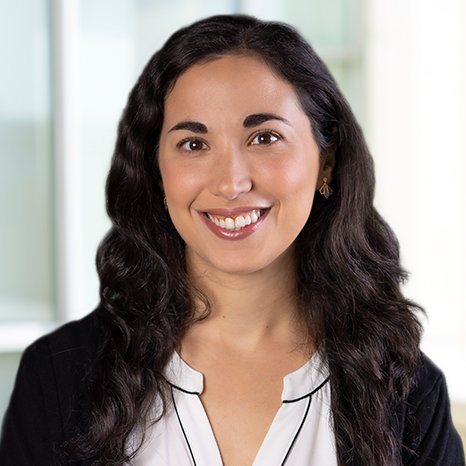
Liat Hayun, SVP for Product Management, Tenable - "I’ve always been driven by the idea of leaving footprints. If my trajectory makes it easier for the next generation of women to see themselves as technical architects and leaders, then that is more than the award itself."
"When building security products under massive pressure, there is no room for ego. It’s the foxhole mentality of knowing that the person next to you will offer you an unfiltered, uncomfortable truth because they have your back."
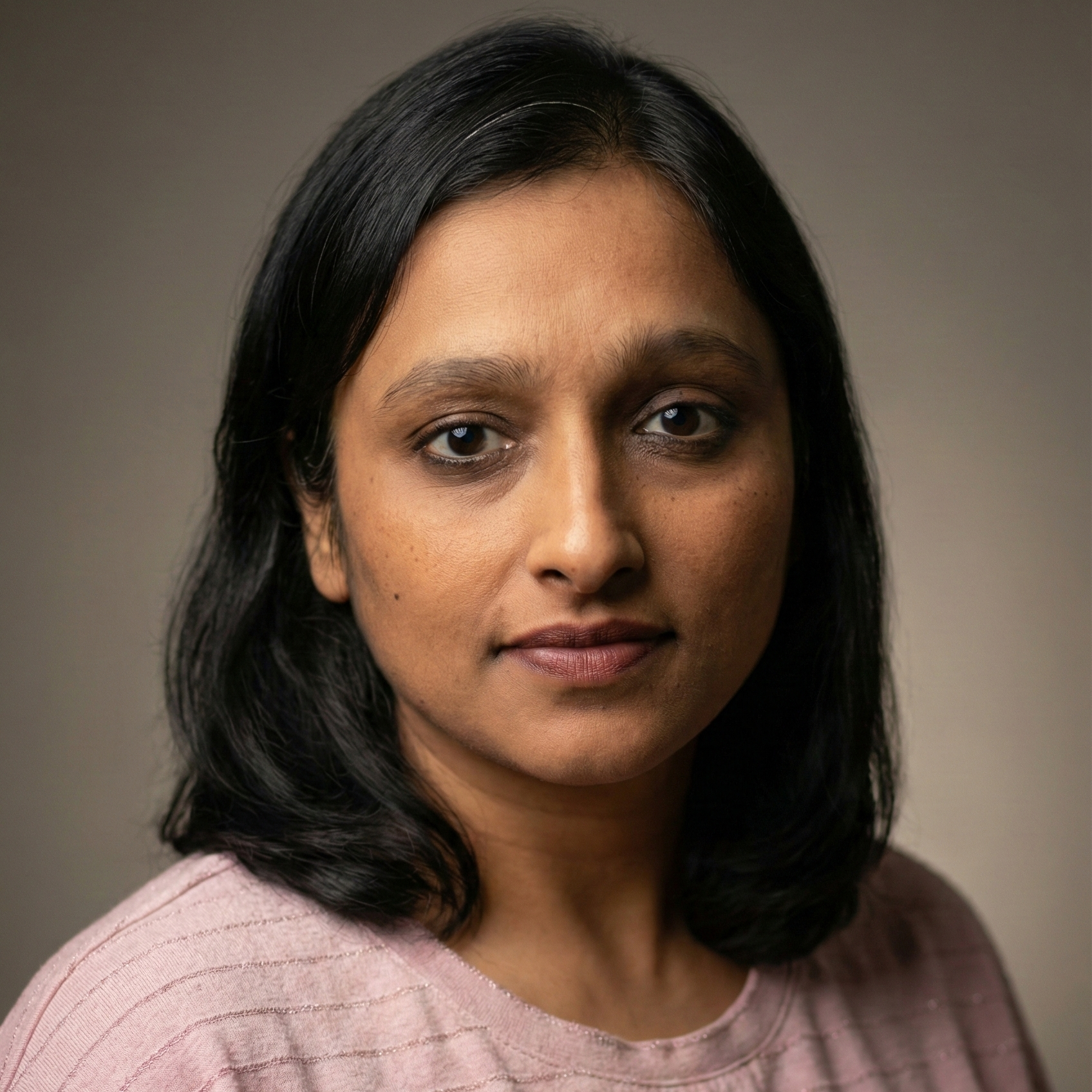
Neha Garg, CEO & Co-Founder, Arambh Labs - "In a startup, ambiguity is the default, not the exception. To keep from drifting, I anchor myself in a high-velocity experimental mindset. Instead of guessing, I lead with a strong hypothesis."
"We are living through a 'now or never' moment where every industry is being fundamentally disrupted. I saw a unique gap where AI’s speed could be used to solve security’s oldest problem: the lag between detection and defense."
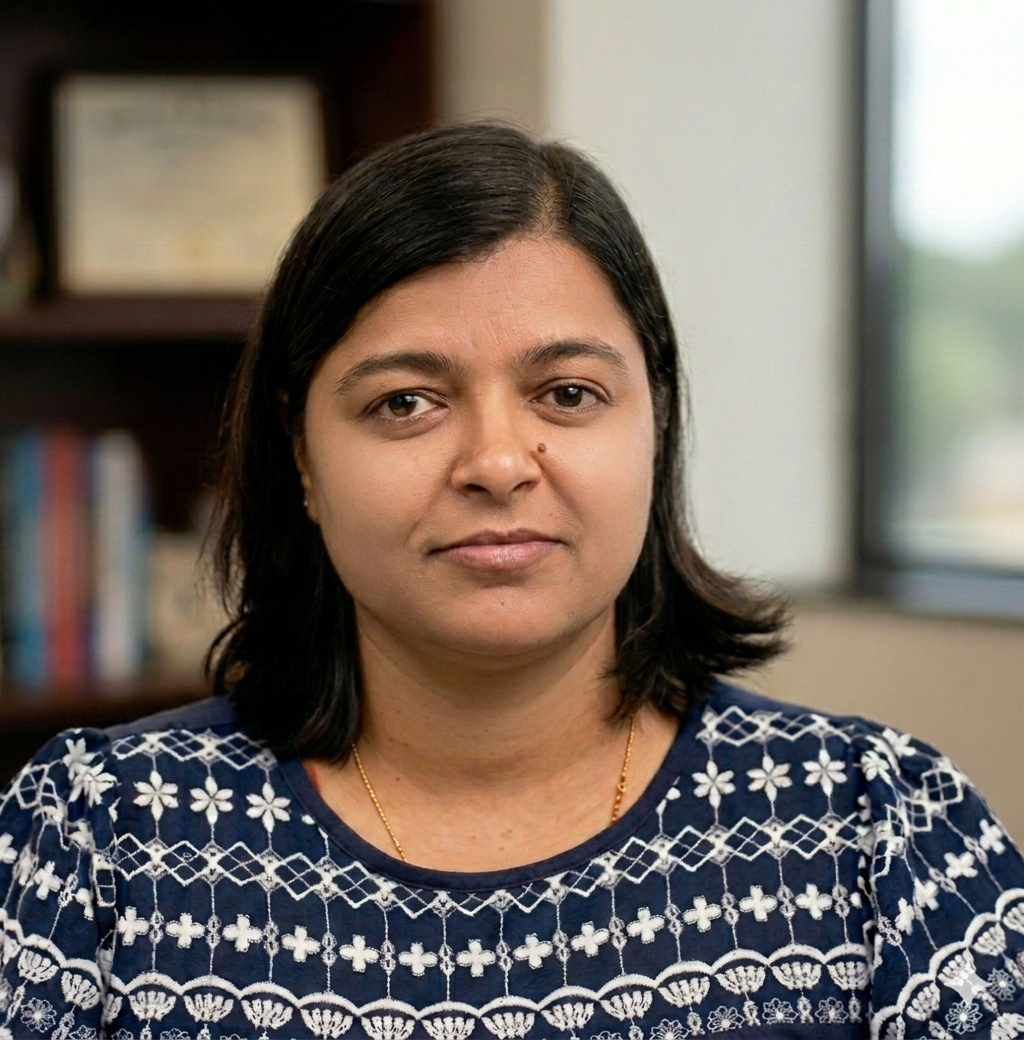
Rashmi Agrawal, CTO & Co-Founder, CipherSonic Labs Inc -"Many talented women leave the field of cryptography because they cannot see how it connects to the real-world problems, or they don’t see people like themselves building those systems in industry."
"Most people struggle not with math itself, but with connecting cryptographic theory to real systems. In FHE and post-quantum cryptography, algorithms are only the starting point, the real complexity shows up in hardware constraints, memory behavior, noise growth, side channels, and performance tradeoffs."

Shahar Bahat, Founder & CEO, Stealth Startup - "Mission has played a big role for me - translating requests into real customer pain and turning that into a strong solution, while also creating consistent clarity and navigating internal politics."
"Organizations are adopting new tools at an unprecedented pace, with new AI-powered applications entering the environment every day. While this creates enormous value, it also introduces an entirely new attack surface."

Julia O’Toole, Co-Founder & Co-CEO, MyCena - "For women who want to challenge long-standing assumptions, my advice is simple: don’t wait for permission to question a structure you can see doesn’t make sense."
"When I visited the ancient city of Mycenae and saw its security architecture, something clicked. The city was protected through layers, segmentation, and fortifications. They had applied a mathematical model to minimize and contain the risks of the whole city falling into enemies‘ hands."

Arlene Watson, CEO & Founder, Bltz AI - "The field needs your perspective, especially because AI security is as much about human behavior and governance as it is about technology."
"The board-level question is shifting from 'Is AI risky?' to 'How does risk change when autonomy, sensitive data, and tool access intersect, and can we prove our controls actually work?'"
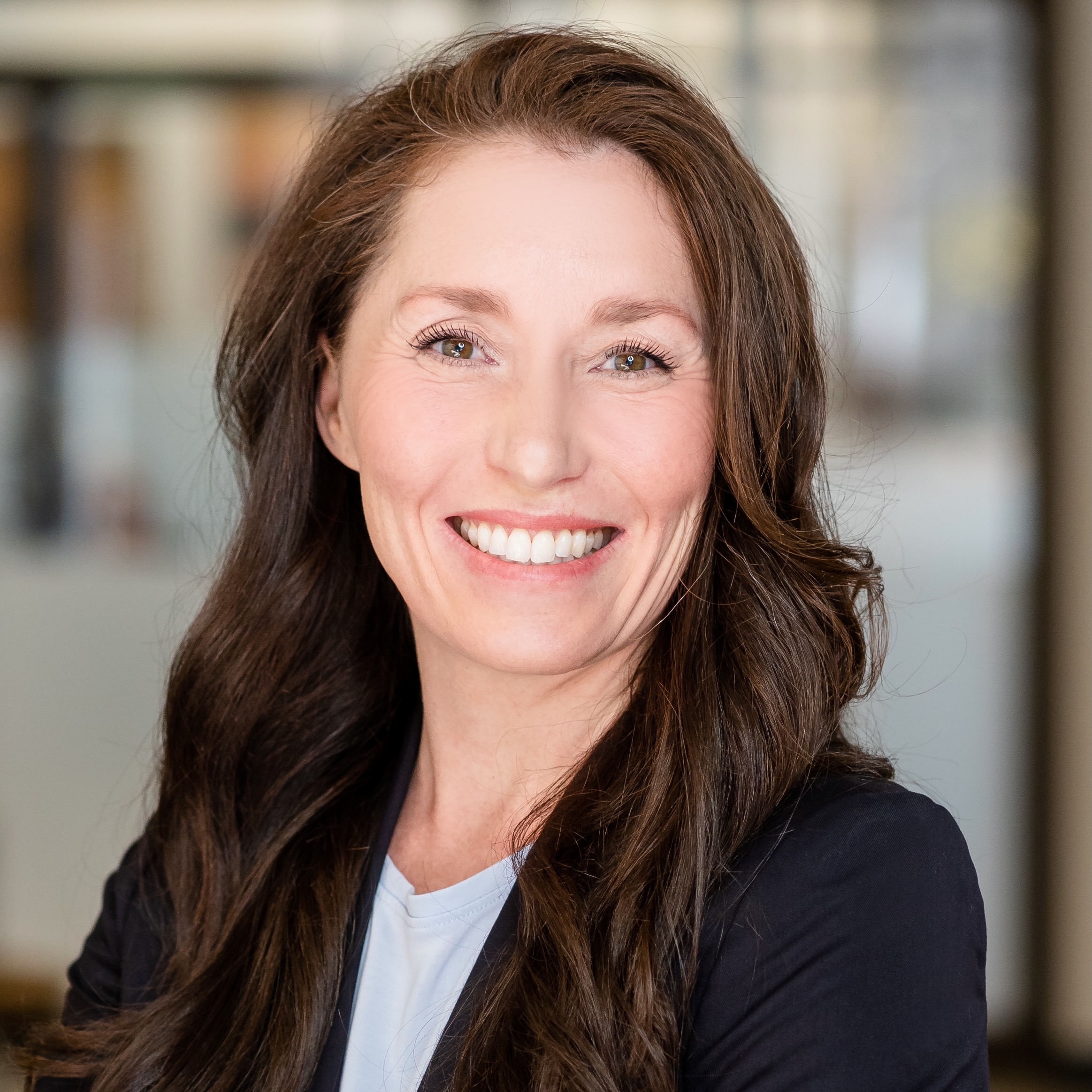
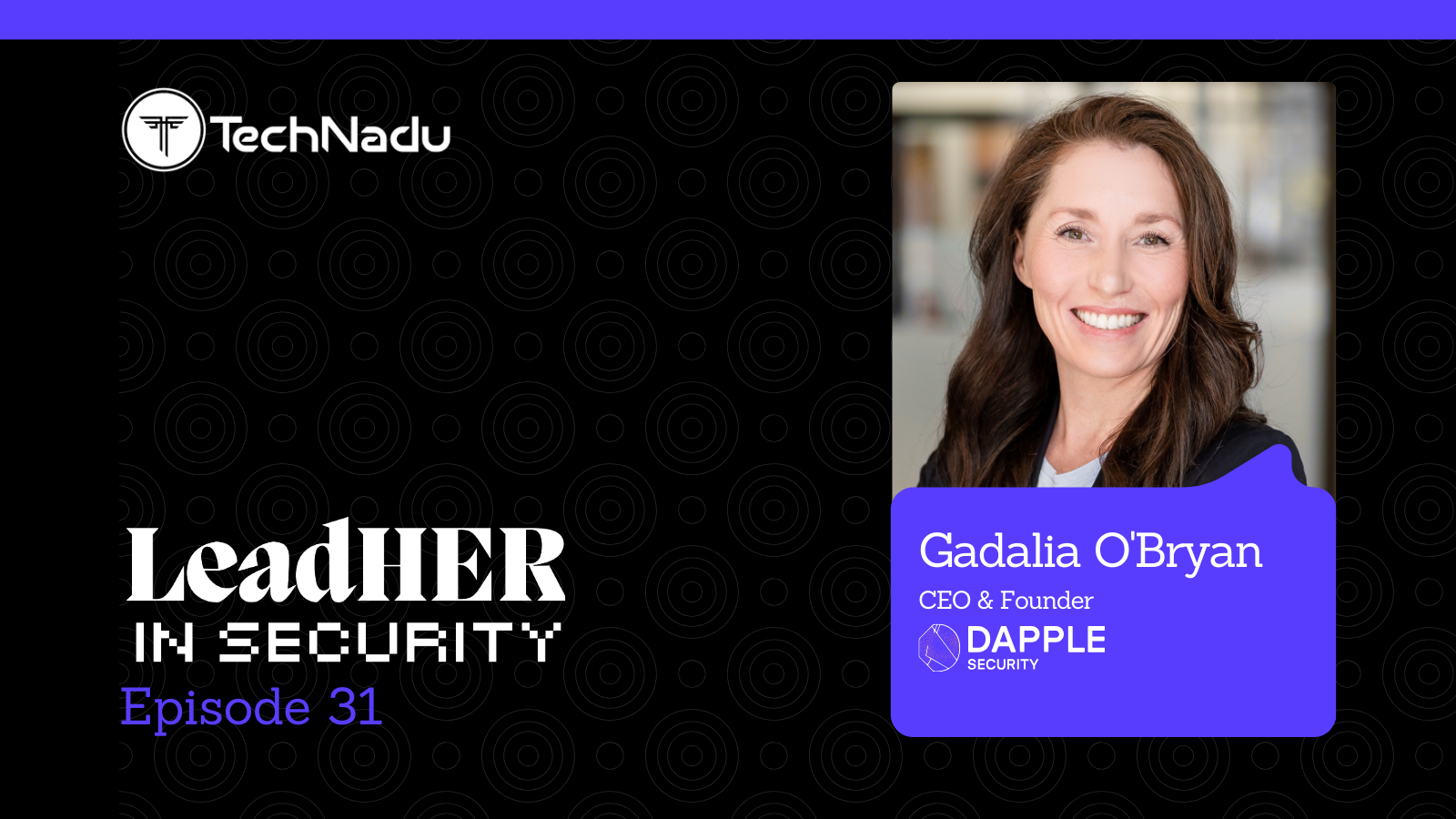
Gadalia Montoya Weinberg O'Bryan, Founder & CEO, Dapple Security - "I spent a lot of years thinking I had to do everything on my own. Now, as a Founder and CEO, peers and mentors are my lifeline."
"Biometrics are a strong way to connect physical identity to online identity, but biometrics are some of the most sensitive pieces of data we have. I truly believe that tech and security practitioners have an obligation to help users minimize the tradeoffs they make between privacy and usability to get security."

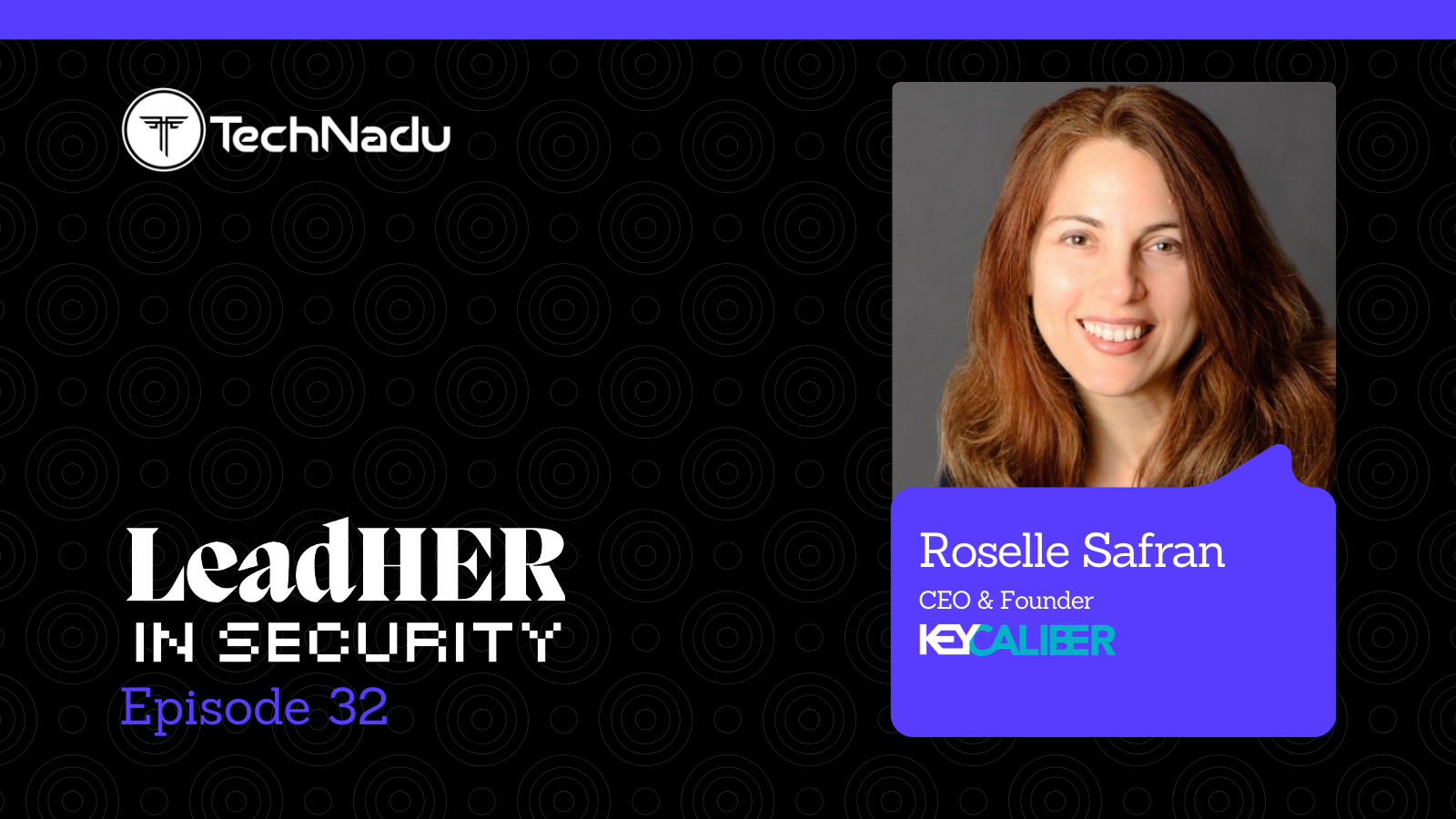
Roselle Safran, CEO and Founder, KeyCaliber - "To be perfectly honest, I'm not influenced by others. I chart my own path based on what I find interesting and meaningful. The approach has its pros and cons! "
"Every day I stepped into the office, I felt how meaningful and important my work was. When I worked at US-CERT within DHS, the mission of the division was to improve the security posture of government agencies and critical infrastructure. So there too I was in a role where the work was purposeful and significant."
Going Forward from Strength to Strength
They build defenses, break rules, and start over to find out what works and withstands the test of time.
Going back to the theme of Give to Gain, their stories nudge us to appreciate those who have earned it, intervene where necessary, and walk together as we coexist, filling the gap that each leaves.
Related

Get expert insights on threats, breaches, scams, and security trends — delivered every Monday.
Most Popular





Get expert insights on threats, breaches, scams, and security trends — delivered every Monday.
Most Popular