



France Plans 2026 Ban on Social Media for Children Under 15
Published on January 5, 2026

Key Takeaways
- Policy direction: France social media ban proposes blocking under-15 access by 2026 using mandatory age verification systems.
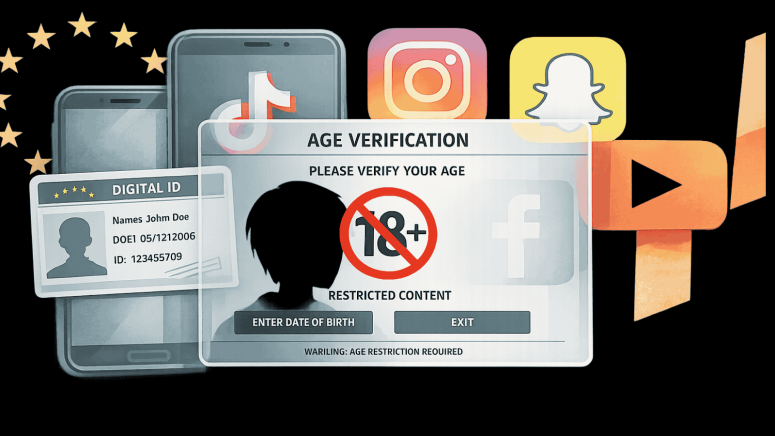
- Implementation method: Law requires platforms to use digital IDs, replacing self-declared ages with government-backed identity checks online.
- Global impact: Similar rules in EU, UK, Australia, US states raise privacy concerns over centralized tracking systems.
France is preparing a new law that would stop children under the age of 15 from using social media platforms. The proposed rule is expected to come into effect by September 2026, according to a draft reviewed by news agency AFP.
President Emmanuel Macron has supported the proposal and has asked the French Parliament to move forward with it. If approved, social media companies would be legally required to block access for users below the age limit.
The move is part of a wider global effort to reduce children’s exposure to online content and increase safety on digital platforms.
How the France Social Media Ban Would Work
To enforce the age limit, social media platforms would need to verify the real age of every user. This would be a major change from the current system, where users usually enter their date of birth themselves.
Under the new approach, platforms may have to rely on official documents, such as national identity cards, driving licenses, or government-approved digital identity systems. This would mean age checks linked directly to verified identity.
In practice, this introduces a form of digital ID into everyday internet use, especially for social media, gaming, and content platforms.
Part of a Broader Global Trend
France is not alone in taking this direction. Australia recently became the first country to introduce a strict ban on social media use for children under 16.
The United Kingdom has also moved toward stronger age checks under its Online Safety Act. The law requires many online services to verify users’ ages before allowing access to certain content. As a result, a new industry of “age-assurance” services has emerged, offering digital tools to confirm age and identity.
In the European Union, similar ideas are being developed at a larger scale. The Digital Services Act encourages platforms to adopt effective age verification for minors. At the same time, the European Commission is working on an EU Digital Identity Wallet, expected to launch around 2027.
This digital wallet would allow people to prove their age and identity online for various services. While it is promoted as privacy-friendly, it would still involve storing and managing personal data across government and private platforms.
Developments in Other Countries
In the United States, there is no national law yet, but several states have passed or proposed rules requiring social media companies to verify users’ ages and, in some cases, obtain parental consent for minors. These state-level laws create local systems that also link online access to identity verification.
New Zealand has proposed similar legislation, aiming to restrict social media access for users under 16 unless platforms can confirm their age. The proposal closely follows the Australian model.
Privacy and Data Concerns
Across all these countries, the policies share a common effect: linking identity verification to everyday online activity.
Privacy experts warn that even when digital ID systems are designed for safety, they can create centralized databases of personal information. Once official credentials are required for social media, streaming, or gaming, online behavior may become easier to monitor, store, and analyze.
As France moves closer to enforcing its 2026 plan, the debate continues between improving child safety online and protecting user privacy in an increasingly identity-linked internet.
Related






Get expert insights on threats, breaches, scams, and security trends — delivered every Monday.
Most Popular




Get expert insights on threats, breaches, scams, and security trends — delivered every Monday.
Most Popular