


Malaysia Social Media Regulations and Privacy Changes in 2026
Published on January 2, 2026

Key Takeaways
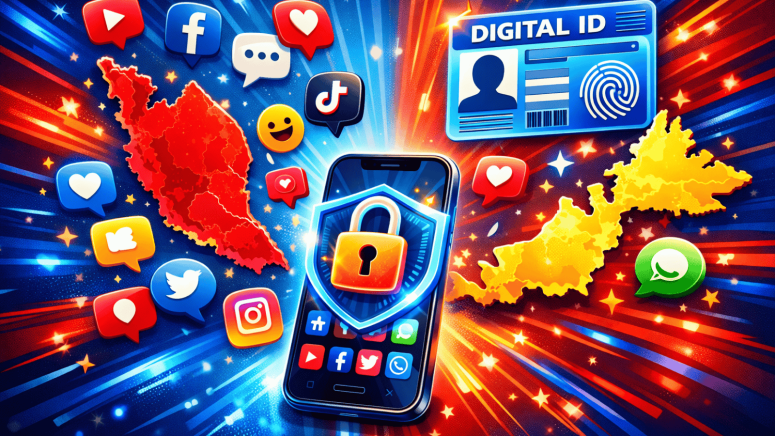
- Malaysia social media ban 2026: Under-16 users barred; major platforms must follow licensing and age verification rules your first takeaway here.
- Privacy implications: Mandatory ID-based age checks may expose sensitive personal data if platforms lack strong security
- User impact: Millions of users, creators, and businesses face access changes and stricter compliance requirements
Malaysia is set to introduce new social media regulations from January 1, 2026, focusing mainly on restricting access for users under the age of 16. The move follows similar steps taken by countries like Australia and is aimed at improving online safety for children and teenagers.
Malaysia’s Social Media Rules Explained
Under the new policy, minors below 16 years will not be allowed to use social media platforms. The government says the decision is meant to protect young users from cyberbullying, online scams, and exposure to harmful or inappropriate content.
In addition, social media and messaging platforms with more than 8 million users in Malaysia will need to obtain a government license. This rule applies to major platforms such as Facebook, Instagram, WhatsApp, TikTok, YouTube, and Telegram. These companies will also be required to introduce age verification systems to ensure compliance.
The licensing framework came into effect in January 2026 and is designed to increase accountability among digital platforms operating in the country.
Privacy and Data Concerns
While the goal is child safety, the rules have raised concerns around user privacy and data security. Age verification is expected to rely on official documents such as national identity cards or passports. This means platforms may collect sensitive information like full names, dates of birth, ID numbers, or even biometric data.
Experts warn that if such data is not handled securely, it could be exposed to misuse, identity theft, or data breaches. Parental consent systems and digital verification tools are also being considered, but they carry similar risks.
Impact on Users and Businesses
The new regulations are likely to affect millions of users, along with small businesses and content creators who depend on social media for income and outreach. Companies will need to invest in compliance systems, while users may face more checks before accessing platforms.
Malaysia’s move reflects a growing global trend, with several European countries also considering tighter controls on minors’ social media use. As digital laws expand, balancing online safety with personal privacy remains a key challenge.
Related


Get expert insights on threats, breaches, scams, and security trends — delivered every Monday.
Most Popular


Get expert insights on threats, breaches, scams, and security trends — delivered every Monday.
Most Popular