



Legitimate Nezha Monitoring Tool Abused as a Powerful RAT, Providing Complete Control Over Compromised Hosts
Published on December 22, 2025


Key Takeaways
- Legitimate tool misuse: Nezha, a legitimate open-source server monitoring tool, is used as a full-featured RAT for post-exploitation activities.
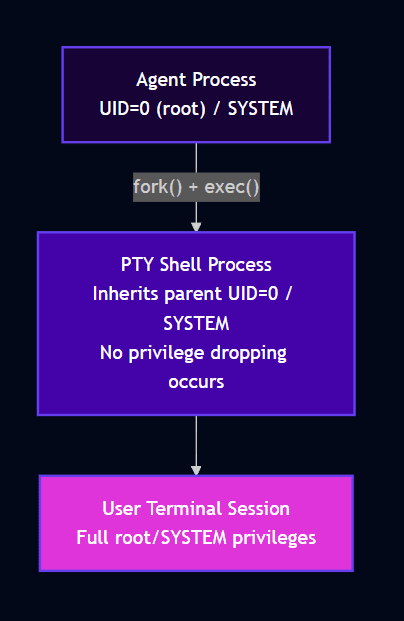
- Full system control: Its SYSTEM/root-level access enables executing commands, managing files, and opening interactive web terminals on compromised hosts.
- Detection evasion: VirusTotal showed 0/72 detections for the Nezha binary at the time of analysis.
Security researchers have identified a legitimate tool misuse involving Nezha, a popular open-source server monitoring application. Originally designed for system administrators, its powerful remote management capabilities are being exploited by threat actors as a highly effective post-exploitation tool.
The agent's high profile access allows attackers to use it as a post-exploitation Remote Access Trojan (RAT). Attackers can deploy the agent with a simple script, silently installing it on a target system where it connects back to attacker-controlled command-and-control infrastructure.
Capabilities and Exploitation Methods
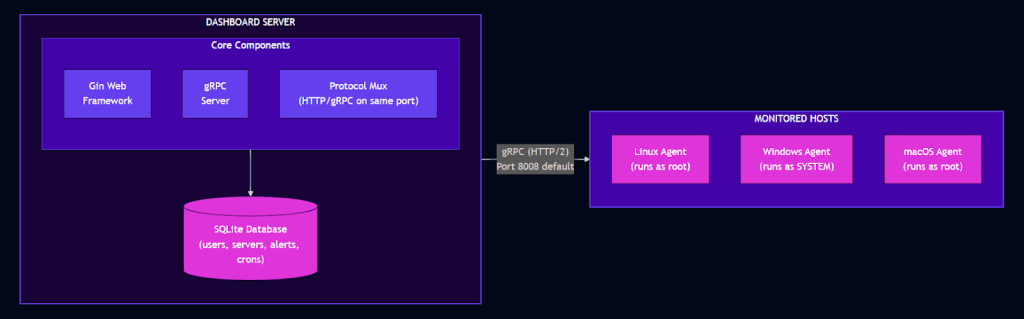
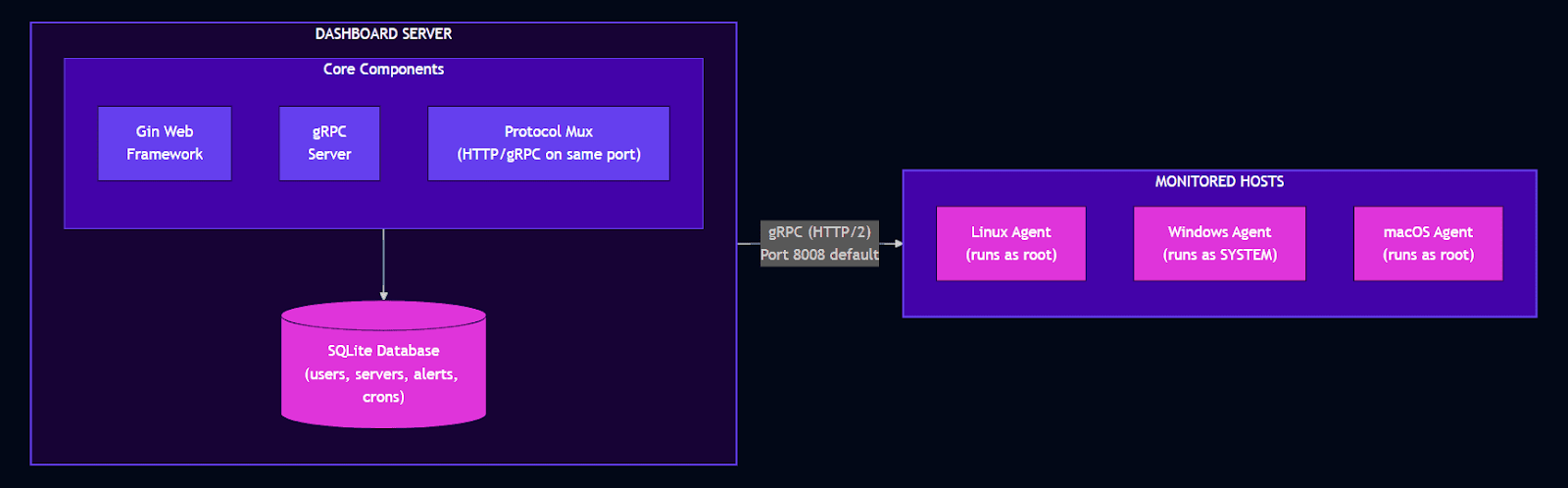
The effectiveness of the Nezha RAT abuse lies in its native functionality, the latest Ontinue cybersecurity report said. The tool's architecture allows it to run with SYSTEM or root privileges, granting attackers complete control over the compromised machine.
This includes:
- arbitrary command execution,
- full file system management (upload, download, delete),
- interactive shell access.
It provides a central dashboard server for authentication, configuration, and connected agents. Because the agent – a lightweight binary deployed on monitored hosts – communicates using standard web protocols like gRPC, its network traffic can blend with legitimate activity, complicating detection.
This zero-detection footprint allows threat actors to maintain a stealthy presence while carrying out their objectives, as detection occurs when attackers execute commands through the agent.
“This behaviour has been seen in the past with the usage of Living-Off-the-Land (LOTL) techniques and remote monitoring and management (RMM) tools such as TeamViewer,” said Mayuresh Dani, Security Research Manager at Qualys Threat Research Unit.
Cybersecurity Recommendations for Mitigation
Given Nezha's ability to evade traditional antivirus (AV) solutions, organizations must adopt behavior-focused defense strategies. Key cybersecurity recommendations include proactive threat hunting for signs of Nezha's presence, such as:
- its default installation paths (/opt/nezha/agent/ on Linux, C:\nezha\ on Windows),
- connections to its default port (8008).
It is critical to deploy and properly configure Endpoint Detection and Response (EDR) solutions to monitor for anomalous process creation, command-line activity, and unusual network connections.
Dani also recommends conducting an inventory of all RMM and remote access tools deployed across their infrastructure and configuring monitoring tools for behavioral detection with real-time alerting. “If necessary, establish 'lifetime' restrictions on the usage of RMM tools to prevent malicious reuse,” Dani said.
John Gallagher, VP of Viakoo Labs at Viakoo, emphasized that enterprises should adopt a strong ‘Defense in Depth’ cybersecurity approach and always assume an open source agent might have vulnerabilities or unexposed zero days.
In October, Huntress documented similar activity targeting East Asian organisations. Last month, a Triofox unauthenticated access flaw was chained with an AV scanning feature abuse to deploy remote access tools.
Related






Get expert insights on threats, breaches, scams, and security trends — delivered every Monday.
Most Popular


Get expert insights on threats, breaches, scams, and security trends — delivered every Monday.
Most Popular