



Australia’s Social Media Ban to Start Next Week: What You Need to Know
Published on December 6, 2025

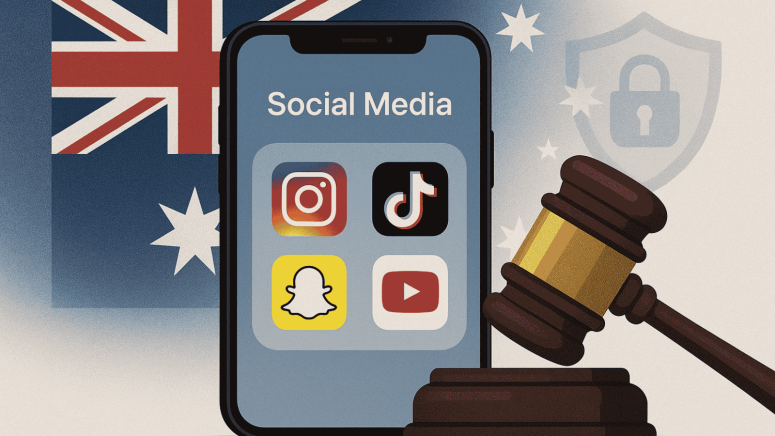
- Implementation: Platforms must block users under 16 from Dec 10, or face $49.5M AUD fines.
- Verification methods: Age checks include biometrics, IDs, behavior tracking, with privacy risks for users.
- Workarounds and risks: VPNs may bypass restrictions, but unsafe options increase security threats for children.
Australia’s new social media ban will come into effect on Wednesday, December 10, affecting popular platforms such as Instagram, Snapchat, TikTok, YouTube, Reddit, and Kick. The law requires these services to take “reasonable steps” to prevent users under 16 from accessing their platforms, with fines of up to $49.5 million AUD (~$32 million USD) for non-compliance.
Communications Minister Anika Wells said the legislation is a “moral imperative” to protect children online. “We stand firm on the side of parents and not on the platforms,” Wells told the BBC.
However, privacy experts have expressed concern about the risks associated with mandatory age verification. The US-based Electronic Frontier Foundation (EFF) argued that “age verification systems are surveillance systems that threaten everyone’s privacy and anonymity,” warning that the government has ignored these dangers.
How the Ban Will Work
Specific age verification methods are still being finalized, but some platforms are acting early. Meta (owner of Facebook and Instagram) will begin deactivating accounts this week, notifying users so they can save contacts and memories before losing access. The company has said app-store level verification would have been more effective than platform-specific methods.
TikTok and Snapchat plan to use behavior-tracking technologies to estimate user age. TikTok stated, “Where we identify someone claiming to be 25, but behaviors indicate they’re under 16, these accounts will be deactivated from December 10th.”
Snapchat is already implementing age verification through two options: ConnectID, which uses banking data, and k-ID, which relies on government IDs and facial scanning technology.
YouTube has also confirmed it will block users under 16 but criticized the law, saying the goal should be protecting kids in the digital world, not removing them from it. The company said it determines age using Google account information and other signals.
During a two-year review period, verification methods may change. Minister Wells described the plan as a “treatment plan” that will evolve as authorities adapt and assess what works.
Privacy and Security Concerns
Age verification will require platforms to collect sensitive data, including official documents, biometrics, or behavior patterns. Cyber safety expert Stacey Edmonds warned that mass collection of such data could increase the risk of scams. “What’s the number one thing scammers and predators want from us? Our data and personal details … and we’re giving them out,” Edmonds said.
Dr. Catherine Page Jeffery, a lecturer in Media and Communications at the University of Sydney, added that young people and parents are concerned about both privacy and data security.
Risks of Workarounds
Similar measures in the UK and US have led to increased use of VPNs to bypass restrictions. Experts warn this could expose users to dangerous software. Professor Daswin De Silva of La Trobe University said, “A lot of people will search for a free VPN, which may download spam software onto your computer or phone, creating further risks for data breaches.”
Minister Wells acknowledged potential challenges: “It’s going to look a bit untidy on the way through. Big reforms always do. However, the internet is particularly messy, and interfering with one element almost always causes unintended consequences elsewhere.”
Related

Get expert insights on threats, breaches, scams, and security trends — delivered every Monday.
Most Popular





Get expert insights on threats, breaches, scams, and security trends — delivered every Monday.
Most Popular